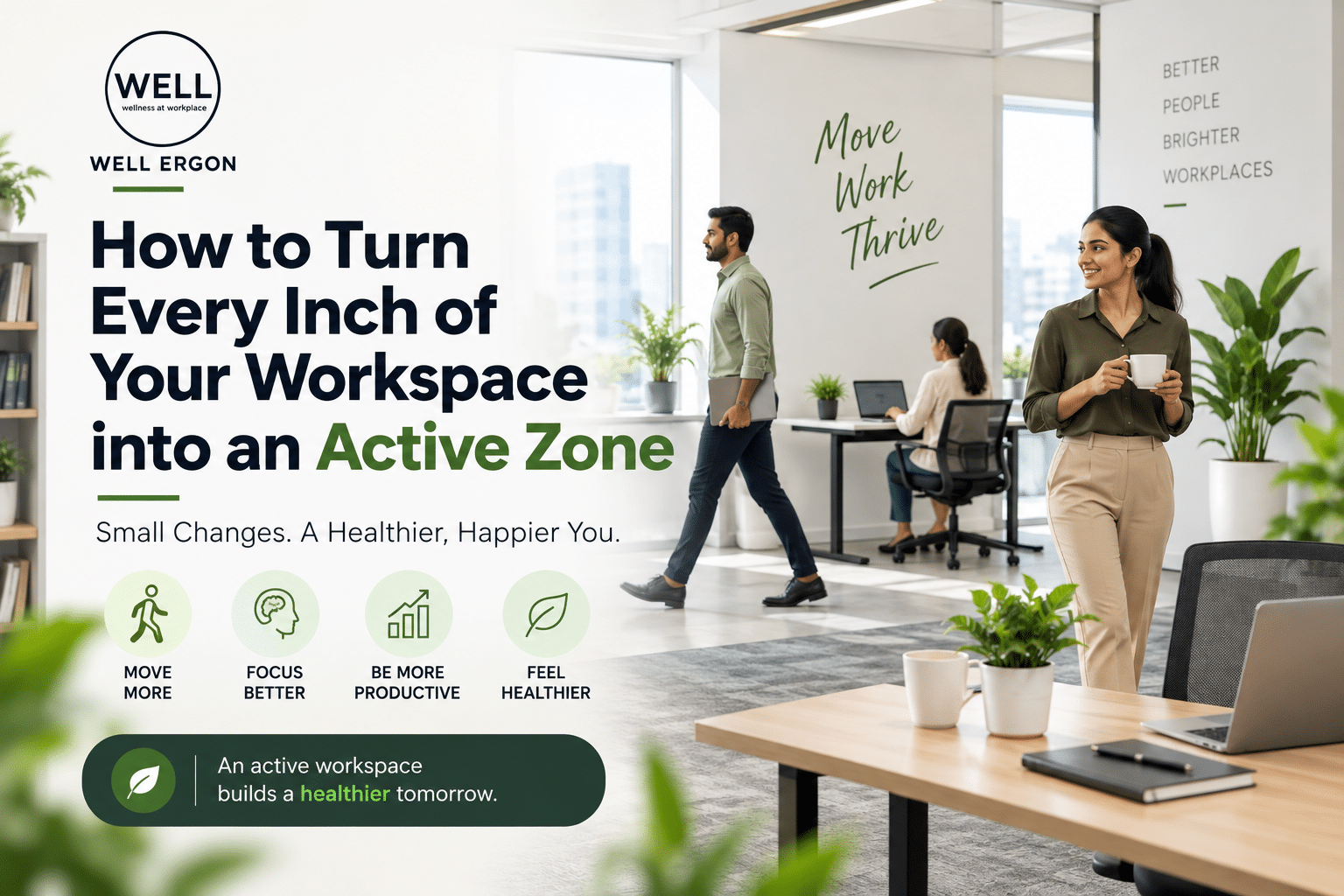
In the high stakes world of Indian IT, the most valuable asset isn’t the proprietary code or the server architecture, it’s the human capital. However, as the industry pushes for digital transformation, a silent crisis is brewing at the workstation.
From the bustling tech hubs of Bangalore to the high-rises of Gurgaon, IT professionals are facing unprecedented levels of physical and mental strain. This is no longer a localized HR issue, it is a systemic challenge that affects the bottom line. This is where Workplace Wellness Consulting steps in, shifting the focus from reactive healthcare to proactive performance optimization.
1. Why IT Companies Need Wellness Consulting
The modern IT landscape is built on a paradox, while technology advances at lightning speed, the human body remains tethered to a physiological blueprint that hasn’t changed in millennia. We weren’t built to sit for 10 hours a day.
The Sedentary Trap
The sedentary nature of IT roles, characterized by prolonged screen time and repetitive motion, has led to a surge in lifestyle induced occupational hazards. When an engineer spends the bulk of their day in a static posture, blood flow slows, metabolic rates drop and musculoskeletal strain begins to set in.
The Triple Threat: Burnout, Posture and Fatigue
- Physical Decline: Tech neck, Carpal Tunnel Syndrome, and lower back pain are now the occupational injuries of the digital age.
- Mental Fatigue: Constant connectivity leads to cognitive overload, resulting in decreased decision making quality.
- The Burnout Cycle: High pressure sprints and tight deadlines without physical movement lead to chronic stress, which is the leading cause of voluntary attrition in the tech sector.
The Business Case for Wellness
Workplace wellness isn’t just a perk anymore. Companies that invest in structured wellness consulting see a direct correlation with higher retention rates and enhanced productivity. When employees feel physically supported by their environment, their cognitive endurance increases, leading to fewer errors and more innovation.
2. What Does a Workplace Wellness Consultant Do?
A common misconception is that a wellness consultant is simply a fitness coach. In reality, a Workplace Wellness Consultant is a strategic partner who bridges the gap between Interior Design, Human Resources and Occupational Health.
Ergonomic Audits and Pain Point Assessment
A consultant begins by diagnosing the environment. They don’t just look at the floor plan; they observe how people move (or don’t move). They identify hot spots where employees are most likely to experience discomfort and use data to pinpoint specific wellness gaps.
Curating the Physical Environment
A consultant recommends science backed furniture and tools. This includes:
- Dynamic Workstations: Transitioning from static desks to height adjustable solutions.
- Ergonomic Tooling: Selecting monitors, mice and chairs that support the body’s natural alignment.
- Lighting and Acoustics: Adjusting the environment to reduce eye strain and sensory overwhelm.
Holistic Program Design
Beyond the furniture, they design behavioral architecture. This involves physical movement protocols, emotional resilience workshops and environmental tweaks (like biophilic design) that make the office a place of rejuvenation rather than depletion.
3. Key Reasons IT Companies Should Hire One
If your organization is experiencing any of the following, a wellness consultant is no longer optional, it’s a necessity.
High Employee Turnover
In a competitive talent market, developers will leave for a company that values their long term health. A robust wellness strategy is a powerful stay factor.
The WFH & Hybrid Stress Gap
Remote work has blurred the lines between on and off time. Many IT employees are working from dining chairs or beds, leading to a spike in orthopedic issues. A consultant helps standardize wellness across hybrid teams, ensuring the home office is as safe as the corporate one.
Competitive Employer Branding
Top-tier talent looks fr WELL environments. Having a certified wellness strategy makes your company an Employer of Choice,” signaling to the market that you prioritize people over pixels.
Reduced Absenteeism and Insurance Claims
By preventing chronic issues like back pain or stress related heart conditions, companies see a significant reduction in sick leave and a downward trend in corporate insurance premiums.
4. How to Evaluate the Right Wellness Consultant
Not all wellness programs are created equal. To ensure you’re getting a return on your investment, evaluate potential consultants based on these critical pillars:
| Pillar | What to Look For |
| IT Specialization | Do they understand the specific stressors of a 24/7 dev cycle or a high-pressure QA environment? |
| Ergonomic Expertise | Look for certifications in ergonomics or kinesiology. They should understand the biomechanics of sitting and standing. |
| Global Standards | Are they familiar with WELL Building Standards or ISO 45001? This ensures their advice is rooted in international safety benchmarks. |
| Measurable ROI | Ask for case studies. A good consultant should be able to show a decrease in “discomfort scores” or an increase in employee engagement post-intervention. |
| Hybrid Flexibility | Can they provide virtual audits for your remote workforce? A one-size-fits-all approach doesn’t work in 2026. |
5. Questions to Ask Before Hiring
Before signing a contract, vet your consultant with these deep-dive questions:
- What industries have you worked with? (Ensure they have experience with desk-heavy, high output sectors).
- Can you audit our current setup and report gaps? (The first step should always be a diagnostic report, not a sales pitch).
- Do you offer product integration? (A consultant who can help source active furniture like desk bikes or standing desks provides more value).
- Will you help with employee training? (Furniture is useless if employees don’t know how to use it. They must drive behavior change).
- Do you track wellness KPIs? (How will we know this worked six months from now?).
6. Tools & Solutions a Good Consultant Should Offer
A modern wellness consultant brings a toolkit of solutions that transform the office into an active ecosystem.
Active Furniture
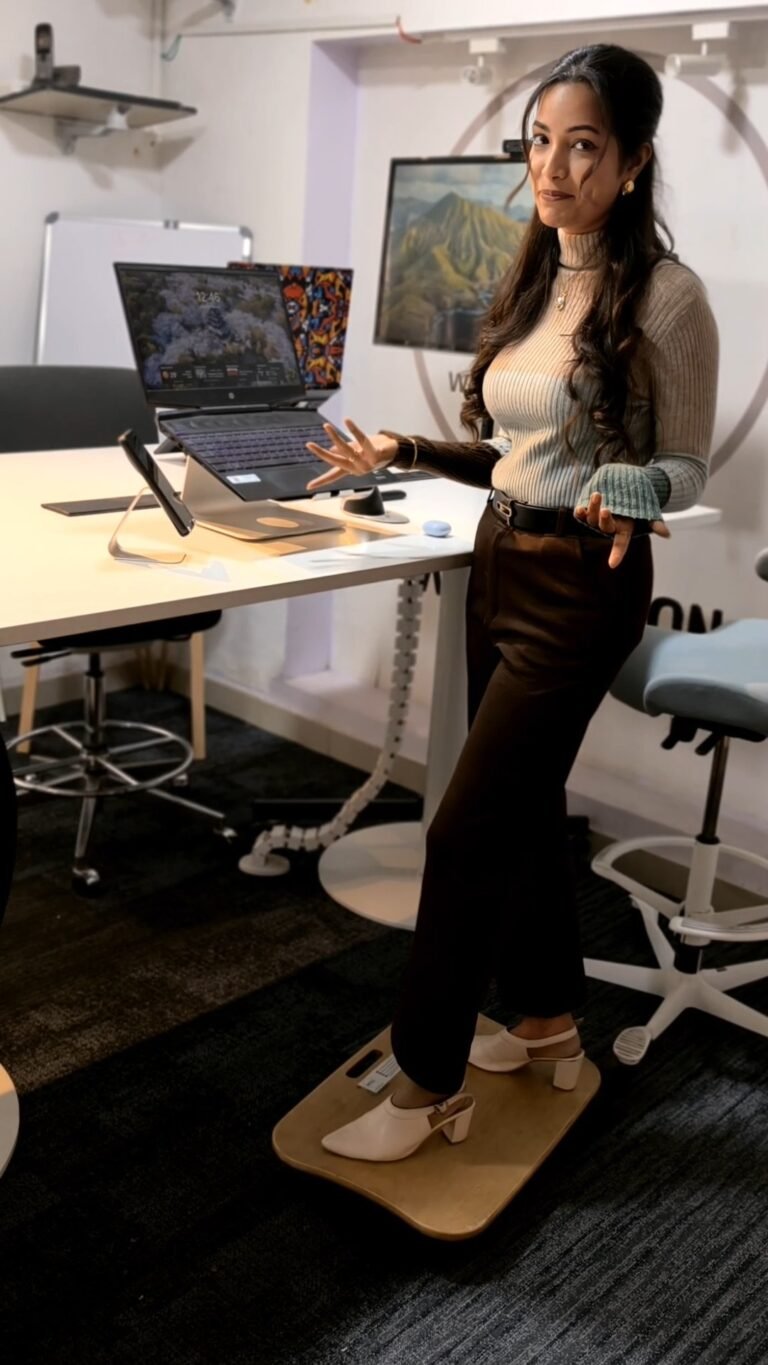
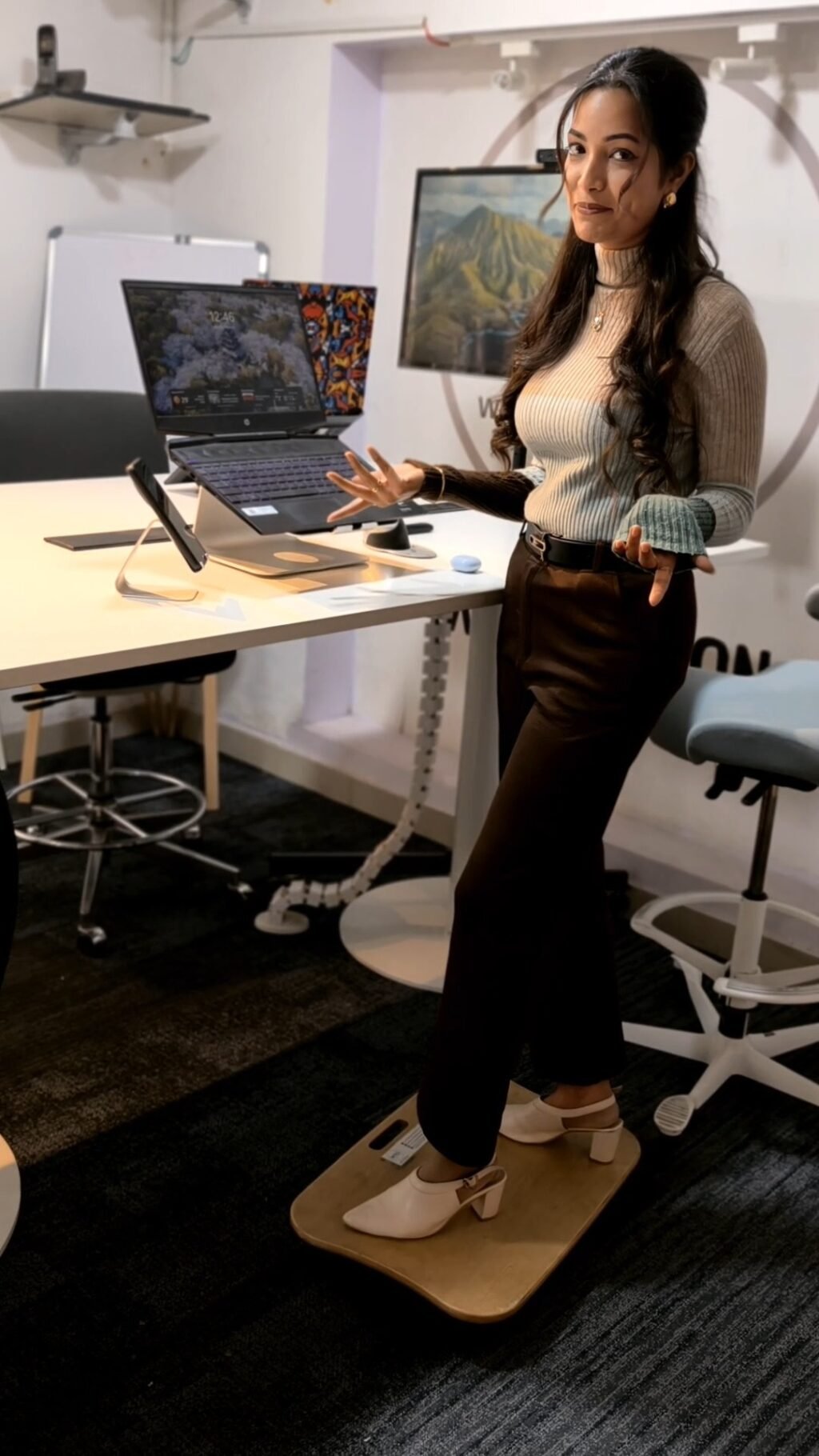
- Height Adjustable Desks: Allowing employees to alternate between sitting and standing.
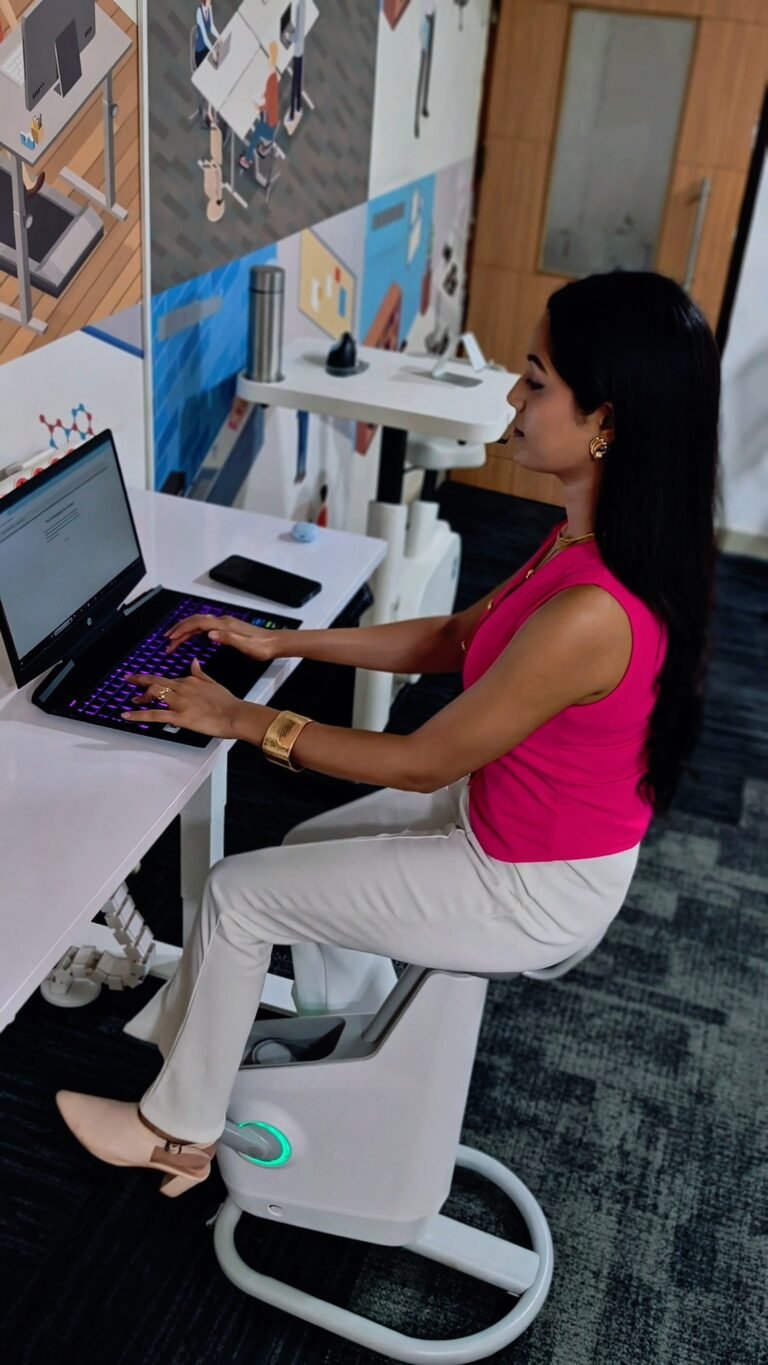
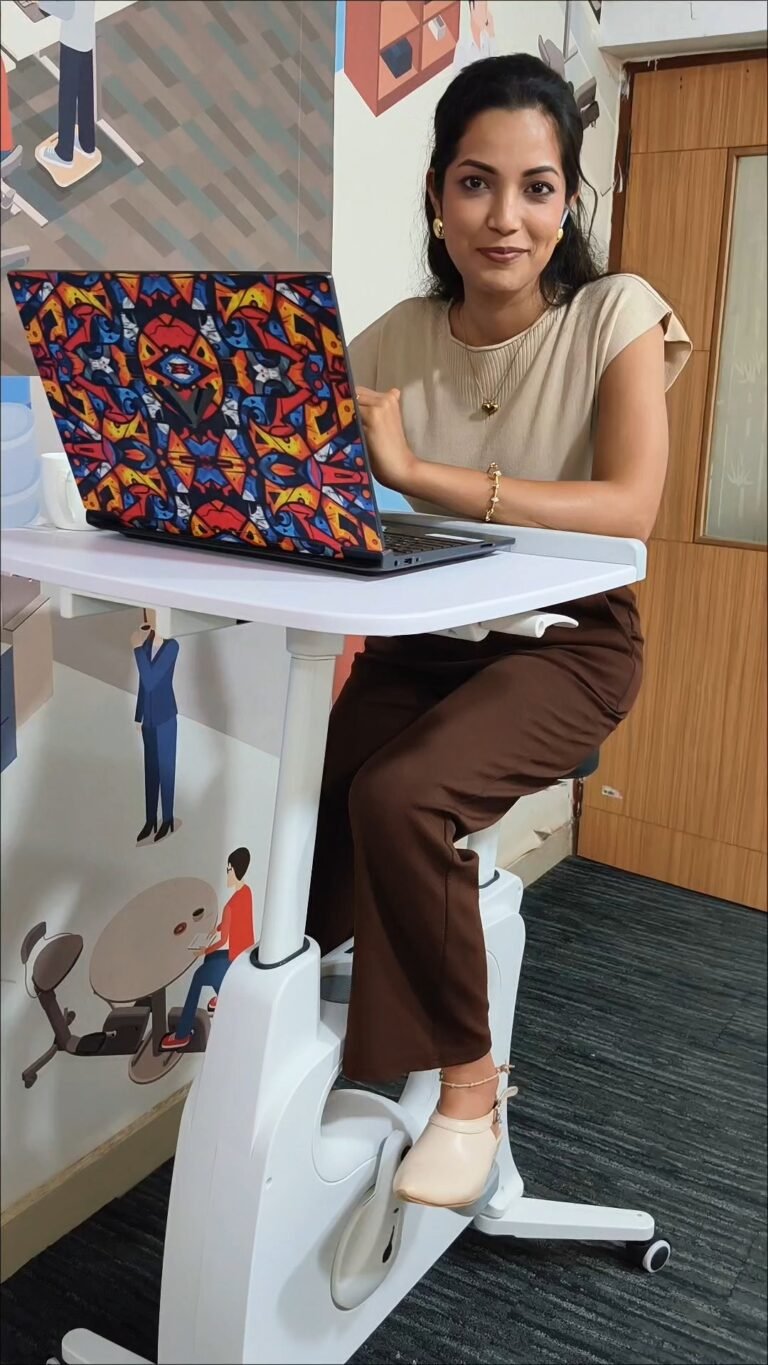
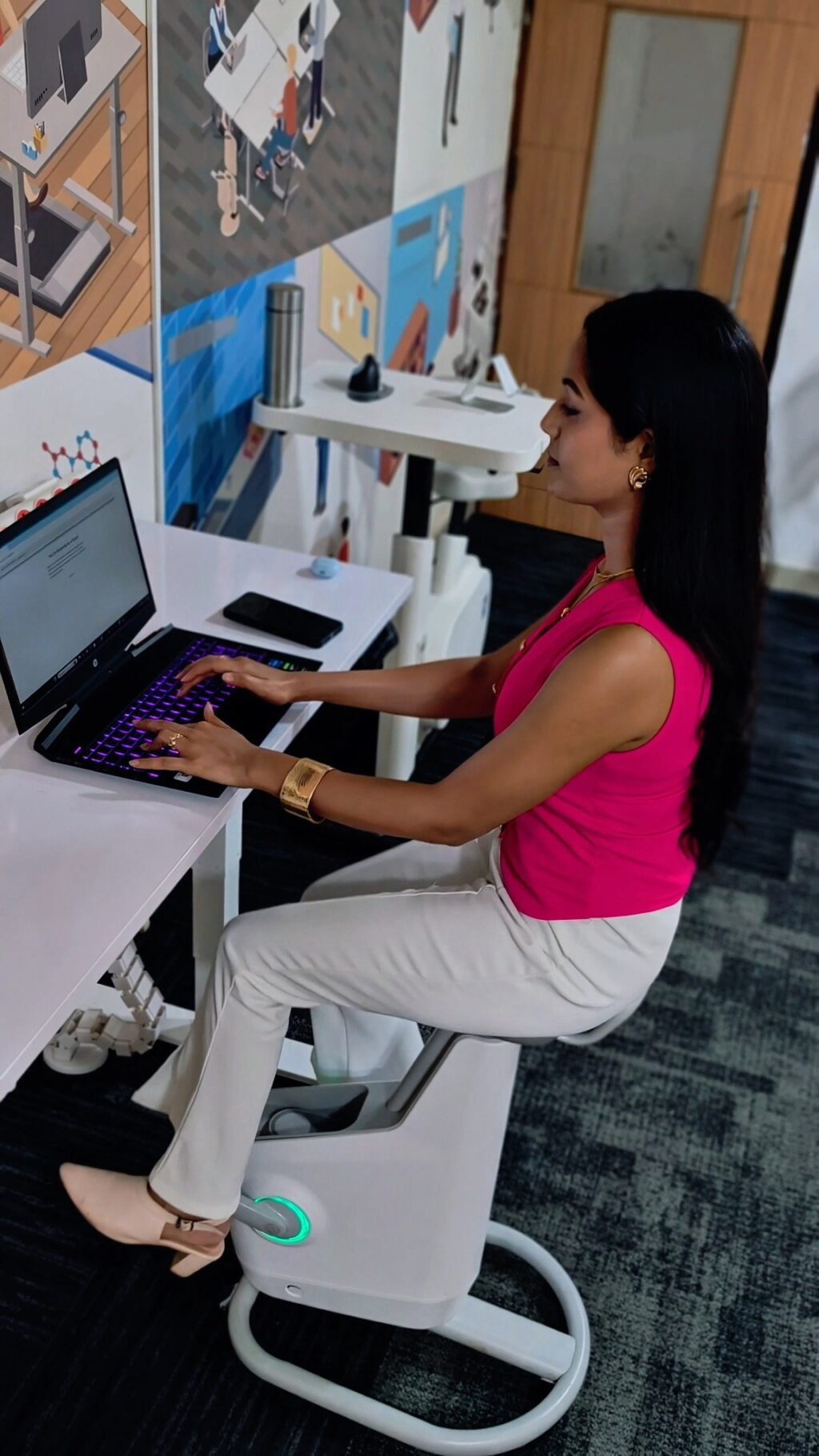
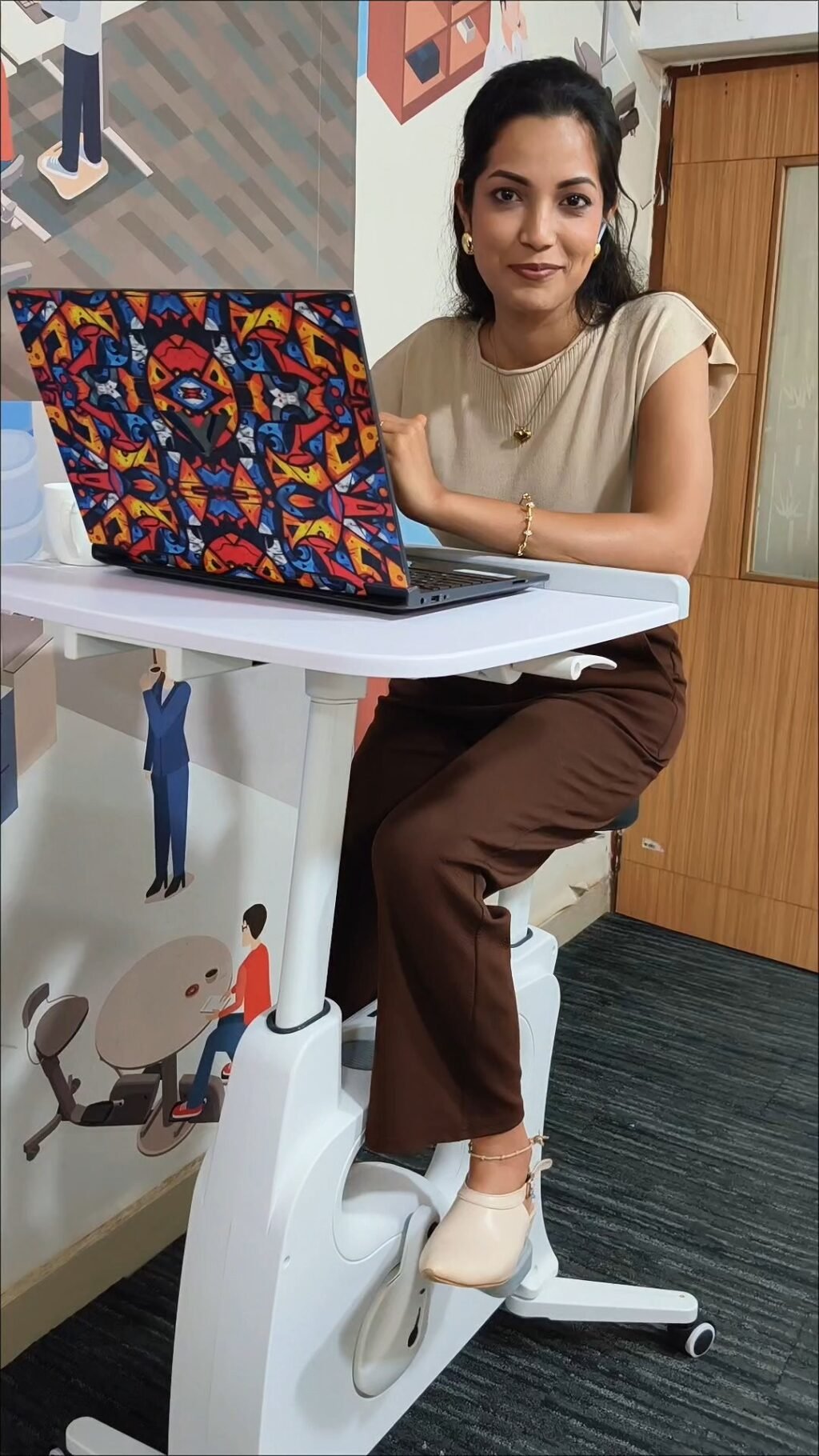
- Desk Bikes & Walk Stations: Enabling low intensity movement during meetings or routine tasks.
- Active Seating: Stools and chairs that encourage micro movements to keep the core engaged.
Digital Wellness
- Personalized Assessments: Apps or surveys that give each employee a wellness score and a custom improvement plan.
- Virtual Webinars: Sessions on Digital Detox, Ergonomics at Home and Mindful Coding.
7. Common Mistakes to Avoid
- The Gadget Trap: Buying expensive standing desks without teaching employees how to use them. Without behavioral change, the desk stays in the seated position forever.
- The One Off Intervention: Wellness is a marathon, not a sprint. A single Yoga Day once a year does nothing for chronic posture issues.
- Hiring Generalists: Avoid consultants who don’t understand the specific spatial and technical constraints of an IT office (cabling, dual-monitor setups, etc.).
9. How WellErgon Can Help
Navigating the complexities of workplace wellness requires a partner who understands the pulse of the Indian IT sector. WellErgon specializes in creating high performance, health first environments for the modern tech world.
At WellErgon, we don’t just sell furniture, we engineer wellness strategies. Our services include:
- Comprehensive Wellness Audits: Tailored specifically for IT infrastructures.
- Active Furniture Solutions: We provide premium height adjustable desks, walk stations and ergonomic tools.
- PAN India Support: Whether you are in Bangalore, Gurgaon, Chennai, Pune, or Hyderabad, our experts are available for on site consulting.
- WELL Aligned Setups: We help your office meet global wellness standards, enhancing your brand’s prestige.
10. Conclusion
In the fast growing IT ecosystem of India, a workplace wellness consultant is no longer a luxury reserved for Silicon Valley giants. It is a fundamental requirement for any company that wants to sustain high growth without burning out its best people.
Investing in wellness today means fewer insurance claims tomorrow, lower turnover next year and a more vibrant, innovative workforce forever. It’s time to move beyond the chair and into a future where work and health coexist.
Is your office working for your employees, or against them?