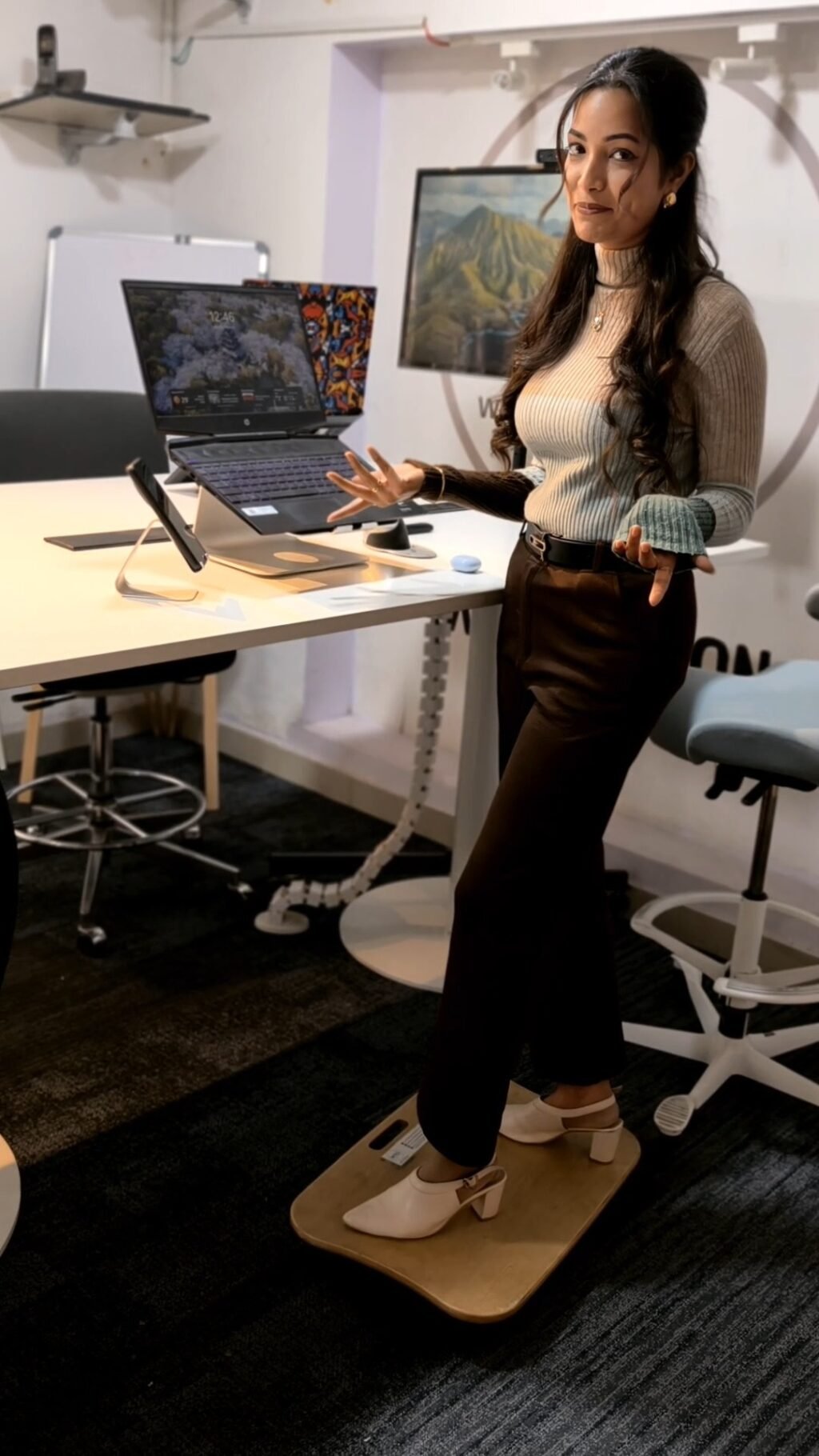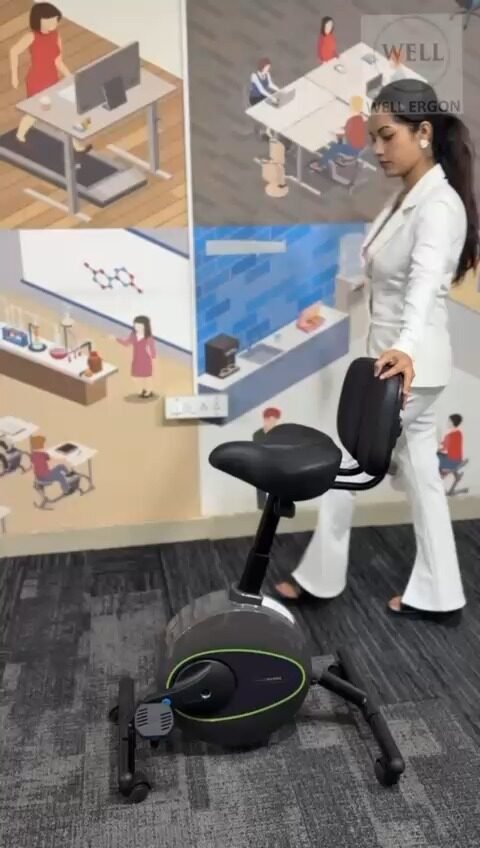
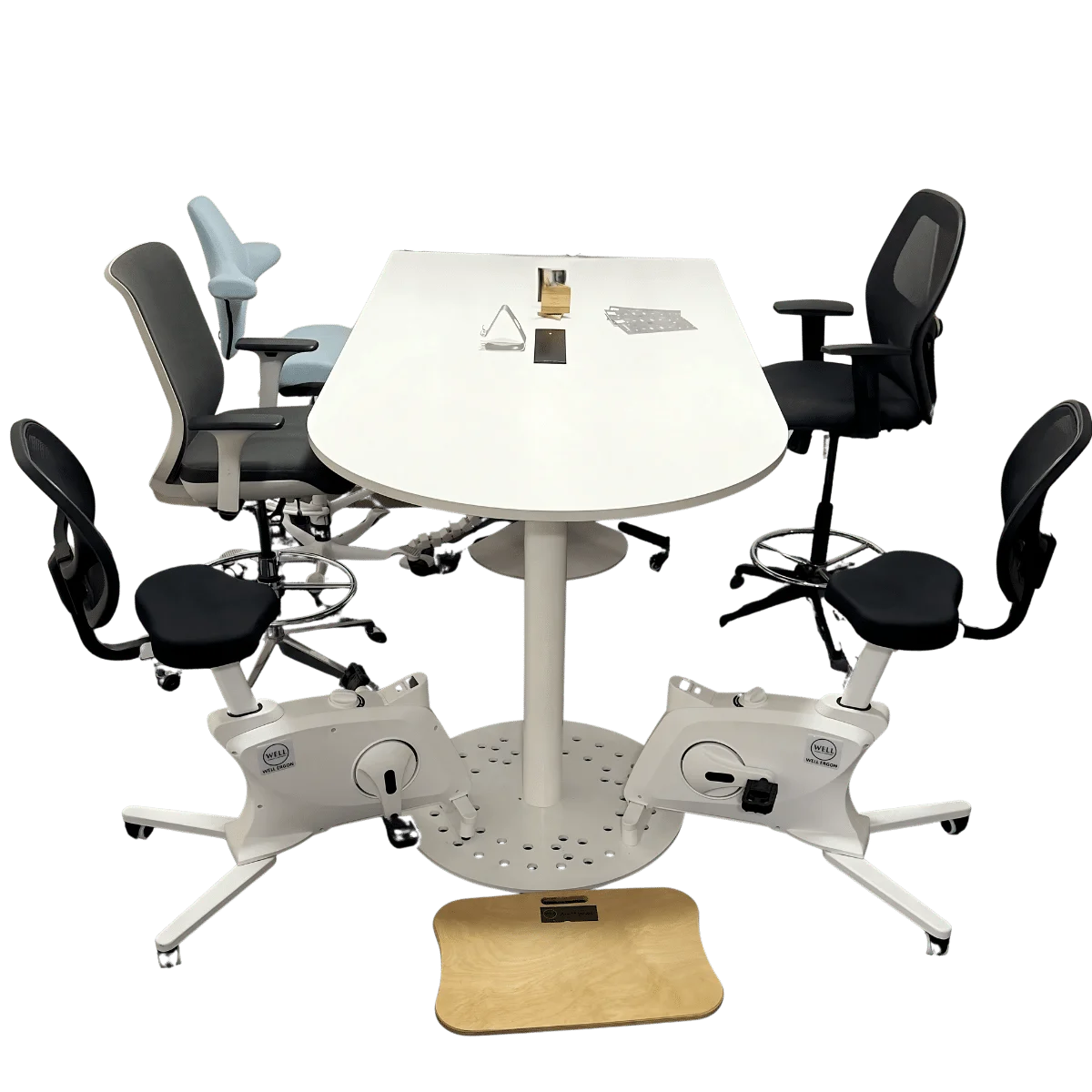
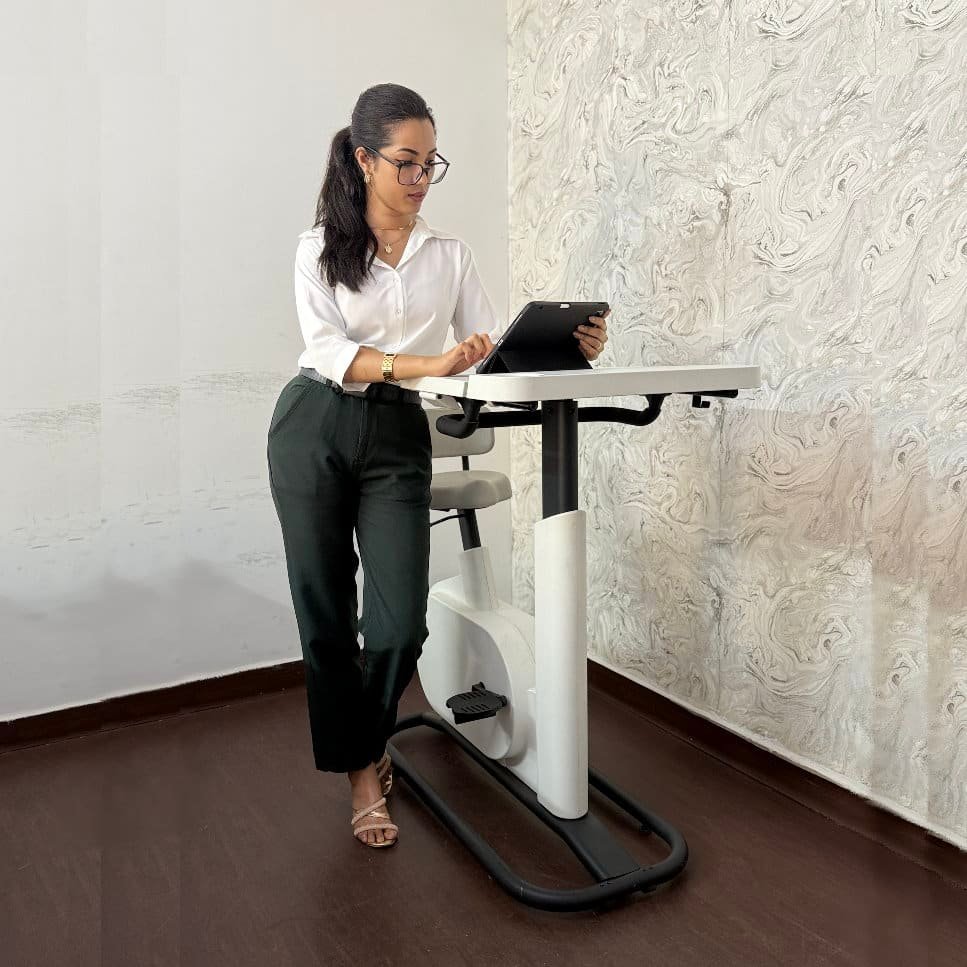

The modern professional landscape has undergone a radical transformation over the last decade. While technology has made us more connected and efficient, it has also tethered us to our chairs more firmly than ever before. Whether you are a corporate executive in a high rise office or a creative freelancer working from a home studio, the sitting epidemic is a silent challenge affecting your health, mood and long term productivity.
1. Introduction:
For the average professional, the workday isn’t just about spreadsheets and meetings, it’s about endurance, specifically, the endurance of sitting. Most modern workers spend anywhere from 6 to 10 hours a day glued to a desk. When you add commuting and evening relaxation (usually on a couch), many individuals are sedentary for upwards of 15 hours a day.
This sedentary work culture, prevalent in both traditional offices and remote setups, has birthed a suite of desk job ailments that are becoming increasingly difficult to ignore:
Chronic Back and Neck Pain: Constant sitting puts immense pressure on the lumbar spine and leads to tech neck.
Low Energy Levels: Paradoxically, the less we move, the more fatigued we feel. A stagnant body leads to a stagnant mind.
Weight Gain: The metabolic rate drops to a crawl when we remain stationary, making it nearly impossible to maintain a healthy weight without extreme caloric restriction.
Reduced Productivity: Without movement, blood flow to the brain decreases, leading to the dreaded afternoon slump and brain fog.
Enter the desk exercise bike: a smart, ergonomic solution designed to bridge the gap between a demanding career and a healthy lifestyle. It’s no longer about choosing between a workout and a deadline, it’s about doing both simultaneously.
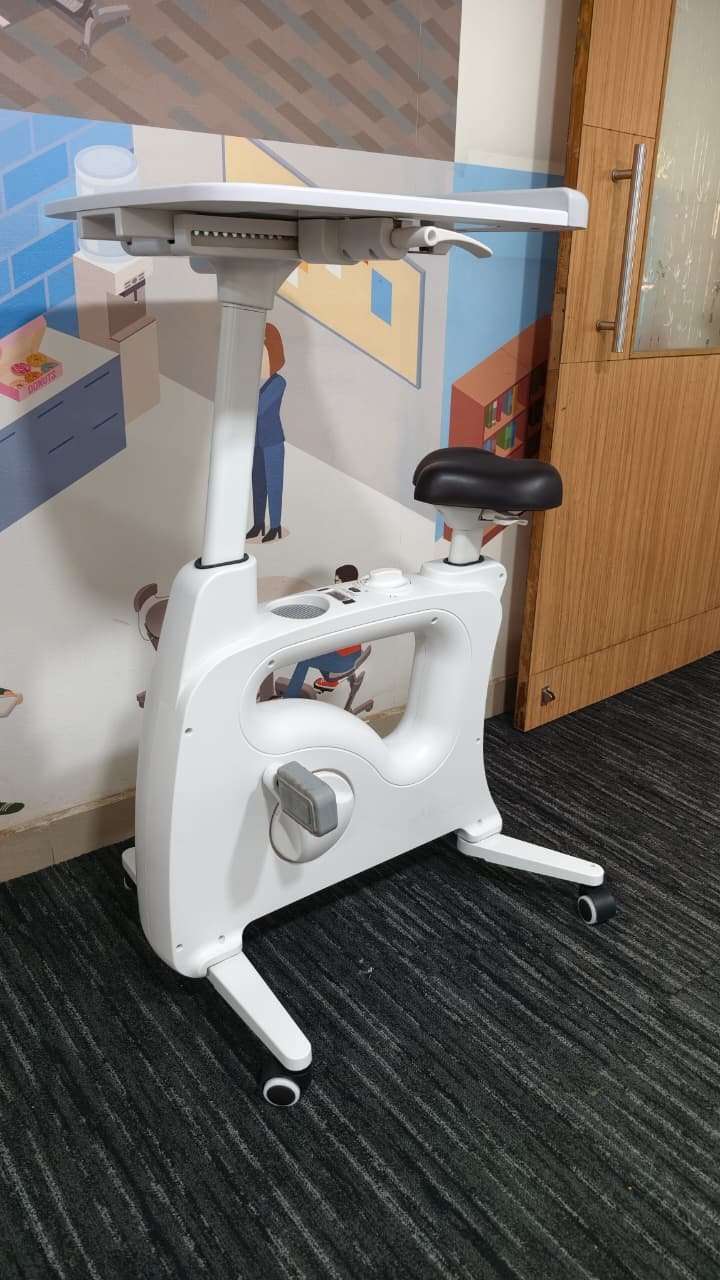
2. What is a Desk Exercise Bike?
At its core, a desk exercise bike is a piece of stationary fitness equipment modified specifically for a workspace environment. Unlike a high-intensity spin bike you might find at a gym, these are designed for low impact, steady state movement that can be sustained while performing cognitive tasks.
Key Concepts
Compact Design: Most models are built to fit either under a standard desk or come with an integrated desktop surface.
Silent Operation: They utilize magnetic resistance to ensure that pedaling doesn’t interfere with phone calls or zoom meetings.
Multitasking Friendly: The motion is rhythmic and unconscious, allowing you to type, read and think without distraction.
Types of Desk Exercise Bikes
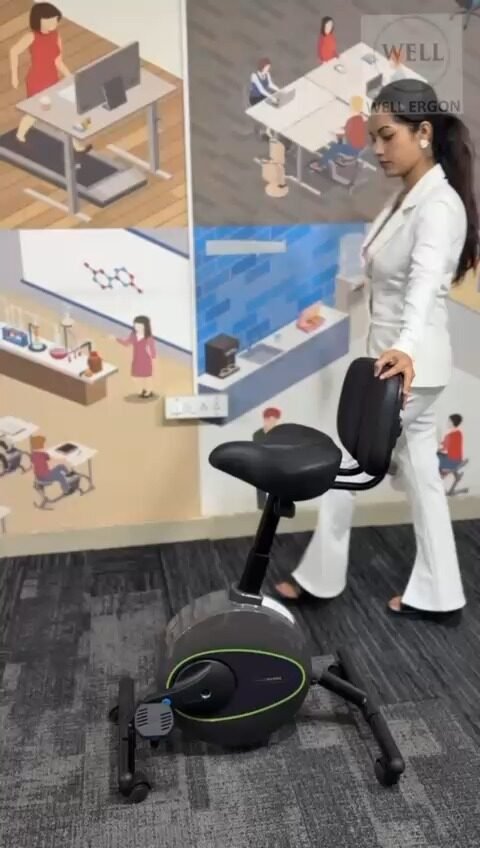
Under Desk Pedal Bikes: Small, portable pedal exercisers that sit beneath your existing desk. Perfect for those who want to keep their current furniture.
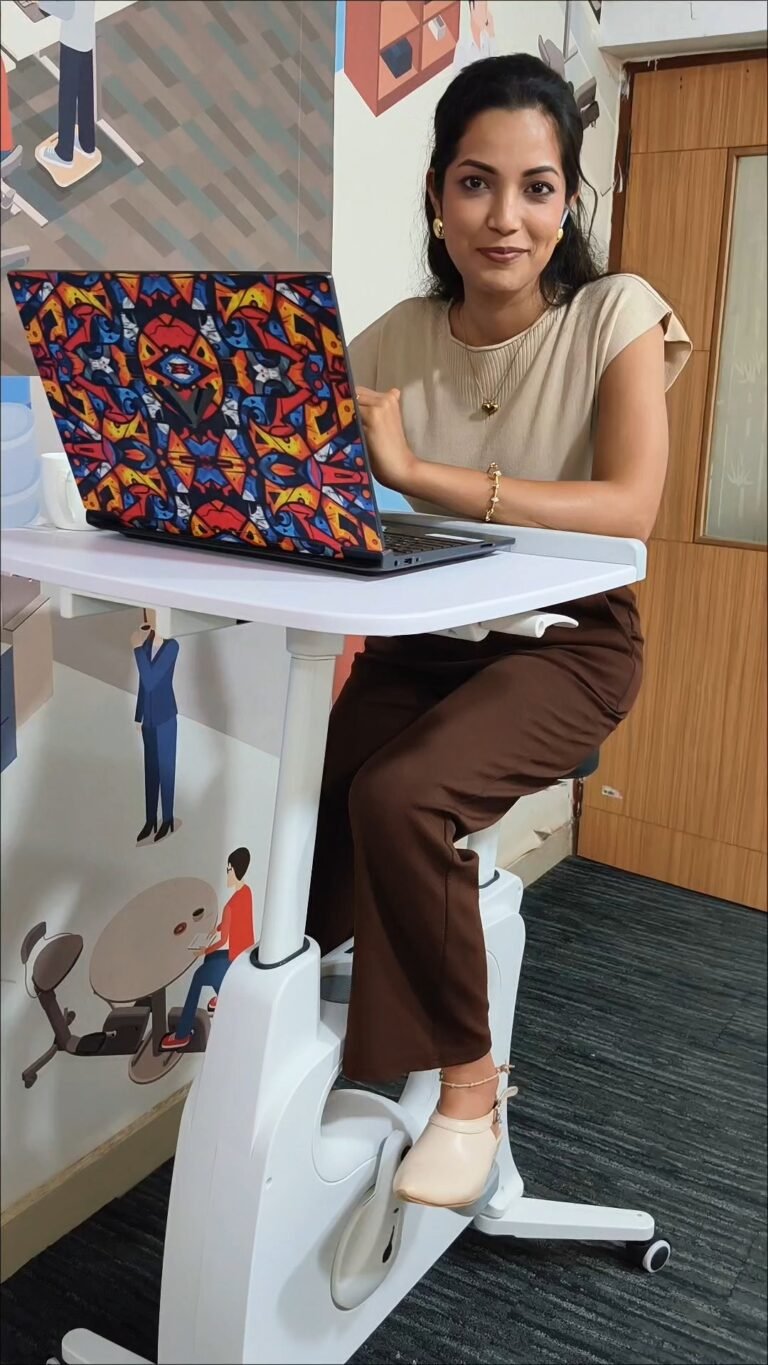
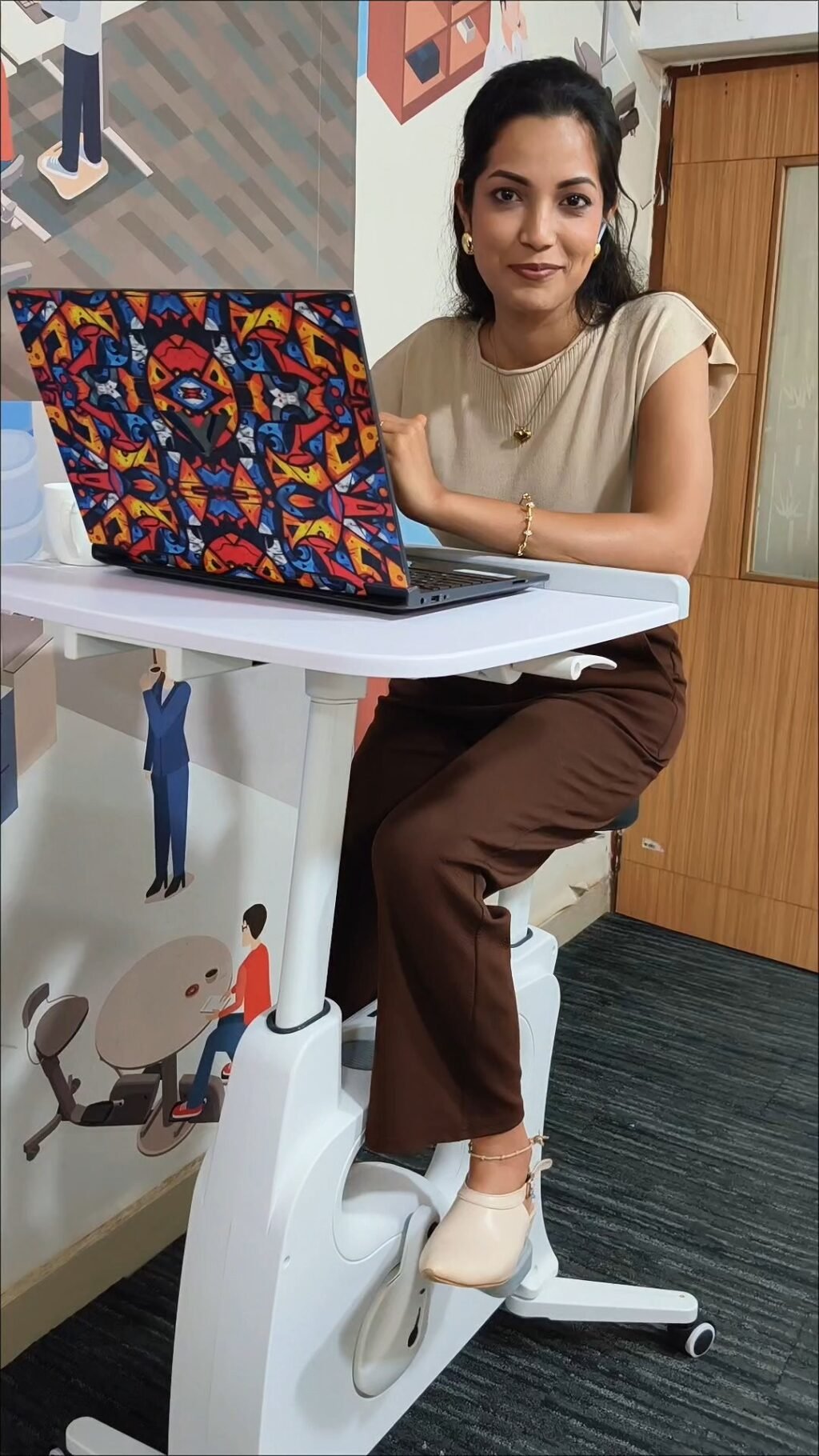
Integrated Workstation Bikes: An all-in-one unit where the bike and the desk surface are connected. These offer the best ergonomics and stability.
Smart Charging Desk Bikes: Advanced models that convert your kinetic energy (pedaling) into electricity to charge your laptop or phone.
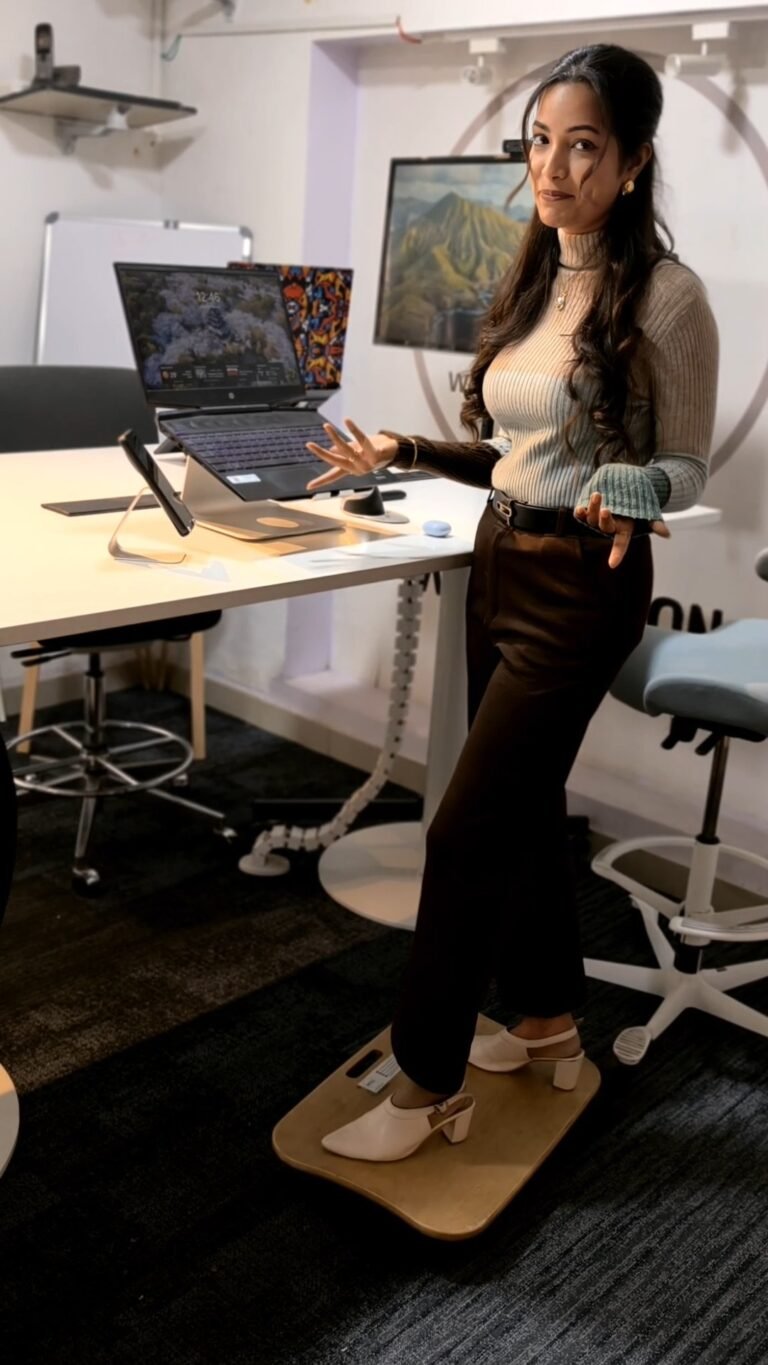
Ergonomic Cycling Workstations: Semi recumbent or upright bikes paired with adjustable standing desks for a full range ergonomic setup.
3. Why Sitting All Day Is Harmful
The human body was designed for movement, not for static 90-degree angles. Scientific research increasingly points to Sitting Disease as a major contributor to lifestyle related illnesses.
The Health Risks of Sedentary Work
Metabolic Syndrome: Prolonged sitting is linked to a cluster of conditions, including increased blood pressure, high blood sugar and excess body fat around the waist.
Poor Circulation: When legs remain stationary, blood pools in the lower extremities, increasing the risk of varicose veins and, in extreme cases, deep vein thrombosis (DVT).
Spinal Compression: Sitting exerts up to 40% more pressure on the spine than standing. Over time, this leads to herniated discs and chronic posture issues.
Mental Health Decline: Physical inactivity is closely tied to higher levels of stress, anxiety, and depression.
Statistics to Consider: Studies have shown that individuals who sit for more than 8 hours a day with no physical activity have a risk of dying similar to the risks posed by obesity and smoking. However, even light intensity activity, like pedaling a desk bike, can significantly mitigate these risks.
4. Benefits of Using a Desk Exercise Bike
Integrating a desk bike into your routine isn’t just about getting a workout, it’s about optimizing your biology for the work you do.
1. Stay Active While Working
The most obvious benefit is the ability to burn calories passively. While you might not be dripping with sweat, a steady, slow pedal can burn between 100 and 500 calories over the course of a workday, depending on the duration and resistance.
2. Improves Productivity and Focus
Physical movement increases the heart rate, which pumps more oxygen and nutrients to the brain. This triggers the release of BDNF (Brain Derived Neurotrophic Factor), a protein that supports neuron growth and improves cognitive function, memory, and focus.
3. Reduces Back Pain and Muscle Stiffness
Movement acts as a lubricant for your joints. By keeping your legs in motion, you prevent the hip flexors from tightening and take the static load off your lower back, leading to fewer aches at the end of the day.
4. Supports Workplace Wellness
A desk bike transforms your office from a place that drains your health into a place that builds it. It encourages a culture of wellness where movement is the new normal.
5. Helps Manage Weight and Fitness
Consistency is the hardest part of any fitness journey. Desk bikes solve this by removing the I don’t have time excuse. By maintaining a higher basal metabolic rate throughout the day, weight management becomes an effortless byproduct of your workday.
6. Reduces Stress and Improves Mood
Exercise releases endorphins, the body’s natural feel good chemicals. A gentle cycle during a stressful project can help regulate your nervous system and keep you calm under pressure.
5. Who Should Use a Desk Exercise Bike?
While anyone can benefit from more movement, certain groups find desk exercise bikes particularly life changing:
IT Professionals & Developers: For those who spend hours in deep focus coding sessions, a desk bike provides the necessary movement without breaking the flow state.
Remote Workers: WFH employees often move even less than office workers because they lack the forced movement of commuting or walking to meeting rooms.
Startup Founders: For the entrepreneur working 12-hour days, the bike is often the only way to fit fitness into a chaotic schedule.
Students: Preparing for exams often involves long hours of reading. Pedaling while studying can actually help with information retention.
6. How Desk Exercise Bikes Improve Workplace Productivity
From a business perspective, the ROI on employee wellness is massive. Active workstations lead to:
Higher Engagement: Employees who feel physically better are more engaged and less prone to burnout.
Reduced Fatigue: Movement prevents the lethargy that usually hits around 3:00 PM.
Creativity Boost: Walking or cycling has been scientifically proven to increase creative output compared to sitting.
Modern offices, led by forward thinking companies, are ditching the traditional cubicle for active zones that feature standing desks and cycling workstations to attract and retain top talent.
7. How to Choose the Right Desk Exercise Bike
When looking to invest in a desk bike, don’t just buy the first one you see. Look for these specific features:
| Feature | Why It Matters |
| Adjustable Resistance | Allows you to switch between easy pedaling while typing and challenging during a video call. |
| Quiet Magnetic System | Essential so you don’t disturb colleagues or sound like you’re on a treadmill during calls. |
| Ergonomic Design | Ensure the seat is comfortable for long periods and the height is adjustable to your desk. |
| Digital Display | Tracking distance and calories provides a sense of accomplishment. |
| Stability | A wobbly bike will make it impossible to type accurately. |
8. Desk Exercise Bikes vs. Traditional Office Fitness
How does the desk bike stack up against a standard gym routine?
| Feature | Desk Exercise Bike | Traditional Gym Workout |
| Time Required | Multitasks; uses work time. | Requires separate 1-2 hour blocks. |
| Convenience | Extremely High (zero travel). | Moderate (commute to gym). |
| Productivity Impact | Positive (boosts brain flow). | Neutral (often happens after work). |
| Daily Consistency | Easier (built into your desk). | Harder (easy to skip when tired). |
9. The Future of Workplace Fitness
The Active Workstation is no longer a niche trend, it is the future. We are moving toward biophilic and wellness focused office designs. We are seeing:
Corporate Wellness Programs that subsidize the cost of ergonomic equipment.
AI-Integrated Bikes that remind you when to pedal and track your health data directly to your HR wellness app.
Eco-Friendly Offices where rows of cycling desks help power the building’s lighting.
Investing in your health at work is no longer an extra, it is a necessity for career longevity.
10. Why Desk Exercise Bikes Are Perfect for Modern Workspaces
Whether you are in a hybrid model or a full-time corporate office, space and time are your most valuable commodities. Desk exercise bikes are perfect because they are space efficient and time effective.
In the world of ergonomic workplace wellness, brands like WellErgon are leading the charge. They understand that a desk is more than just a surface, it’s an environment that should support the human body. By choosing solutions designed for both ergonomics and activity, professionals can finally reclaim their health without sacrificing their career goals.
11. Practical Tips to Use a Desk Exercise Bike Effectively
To get the most out of your new setup, follow these best practices:
Start Low and Slow: Set the resistance to its lowest setting for the first week. Your goal is movement, not an Olympic sprint.
The Typing Test: If your upper body is swaying so much that you are making typos, slow down. Your pedaling should be a background activity.
Interval Pedaling: Use the bike for 20-40 minute sessions, then stand or sit normally for a while.
Maintain Posture: Keep your back straight and your core slightly engaged. Don’t slouch over the desk just because your legs are moving.
Stay Hydrated: Even low-impact pedaling increases your water needs. Keep a bottle on your desk!
12. Conclusion:
The Modern Workday Problem of sedentary behavior isn’t going away, but our approach to it must change. We can no longer afford to treat our health and our work as two separate entities. By integrating movement into the heart of our professional lives with a desk exercise bike, we can effectively combat back pain, boost our focus and ensure we have the energy to enjoy our lives after the laptop closes.
Modern work life demands smart health solutions. Small changes in your workspace design, like swapping a standard chair for a cycling workstation, can significantly improve your long term well being and daily performance.
Don’t let your desk be the reason for your decline. Transform your workspace into a powerhouse of health and productivity today.
FAQs
1. Can you lose weight using a desk exercise bike?
Yes, regular use helps burn calories and improves metabolism.
2. Are desk exercise bikes good for office work?
Yes, they allow professionals to stay active while completing daily tasks.
3. How many calories can you burn using a desk bike?
Depending on resistance and time, users can burn 100-300 calories per hour.
4. Are desk exercise bikes noisy?
Most modern models are designed with silent pedaling technology suitable for offices.