The way we work has undergone a seismic shift. If you walked into a corporate office a decade ago, you would likely see rows of high walled cubicles and a singular, massive boardroom reserved for serious discussions. Fast forward to today, and the landscape looks entirely different. The rise of startups, the adoption of hybrid work models and the evolution of open office layouts in India have fundamentally changed our professional requirements.
In this fast paced environment, the traditional hour long meeting is dying. In its place is the need for speed, agility and spontaneous innovation. This is where the huddle table steps in, not just as a piece of furniture, but as a strategic tool for the modern era.
1.The Shift Towards Collaborative Workspaces
The transition from traditional meeting rooms to agile workspaces wasn’t just a design choice, it was a necessity. Traditional boardrooms often carry an air of formality that can inadvertently stifle creativity. They require booking systems, long walk-to times and a head of the table hierarchy that can make junior team members hesitant to speak up.
In contrast, modern agile workspaces prioritize accessibility. With the explosion of the Indian startup ecosystem and the globalization of corporate culture, teams now operate in sprints. They need to sync up for ten minutes, solve a bottleneck and get back to execution. The demand for flexible collaboration has led to the birth of the huddle zone, and at the heart of every effective zone is a huddle table.
2. What is a Huddle Table?
At its core, a huddle table is a compact, collaborative workstation designed for short duration interactions. Unlike a dining table sized conference desk, a huddle table is usually circular, square, or teardrop shaped, designed to accommodate 2 to 6 people comfortably.
These tables are the espresso shots of office furniture, small, potent and designed to give the team a quick boost. They are frequently found in:
Modern Corporate Offices: Positioned in corners or dead spaces to turn them into productive hubs.
Co-working Spaces: Providing freelancers and small teams a place to gather without renting a full private suite.
Startup Environments: Where the pace of work requires constant, informal communication.
3. Why Modern Offices Need Huddle Tables
The Pitfalls of the Old Way
Traditional offices face three major productivity killers:
Meeting Room Scarcity: Teams often spend more time trying to find an available room than actually talking.
The One Hour Trap: Calendar invites default to 60 minutes. Because people are sitting in high back leather chairs in a formal room, they tend to fill that hour, even if the topic only required fifteen minutes.
Siloed Communication: When collaboration requires a formal event, people stop doing it. Spontaneity dies.
The Huddle Table Solution
Huddle tables solve these issues by lowering the barrier to entry for collaboration. They facilitate spontaneous brainstorming. When a designer and a developer need to align on a UI element, they don’t need a projector and a 20 seat table, they need a high surface huddle table where they can set down a laptop and talk.
By decentralizing the meeting space, you reduce the load on large conference rooms and empower teams to make decisions faster.
4. Benefits of Using a Huddle Table
Integrating huddle tables into your floor plan offers a variety of tangible benefits that go beyond simple aesthetics.
1. Boosts Team Collaboration
The physical proximity encouraged by a smaller table creates a sense of psychological safety. It’s easier to share a half baked idea over a small huddle table than it is at the end of a long mahogany boardroom table. It levels the playing field, making every voice feel equally audible.
2. Saves Time and Reduces Fatigue
Zoom fatigue isn’t the only type of exhaustion, Meeting fatigue is real. Huddle tables are often designed for standing or perched seating. Research shows that standing meetings are 34% shorter than seated ones, with no decrease in the quality of decisions made.
3. Enhances Productivity
In the world of project management, velocity is everything. Huddle tables allow for rapid fire iterations. You huddle, you decide, you execute. This less formality, more action approach ensures that projects don’t get stuck in the bureaucracy of scheduled meetings.
4. Space Optimization
Real estate is expensive, especially in hubs like Bangalore, Mumbai, or Gurgaon. Huddle tables allow you to utilize nooks that would otherwise be wasted. You can turn a hallway alcove or a corner near the windows into a high value collaborative zone without the need for walls or expensive construction.
5. Supports Agile Work Culture
For teams practicing Scrum or Agile methodologies, the Daily Stand up is a ritual. A standing-height huddle table is the perfect home base for these rituals, keeping the team aligned and energized.
5. Types of Huddle Tables
Not all huddles are created equal. Depending on your team’s needs, there are several varieties to consider:
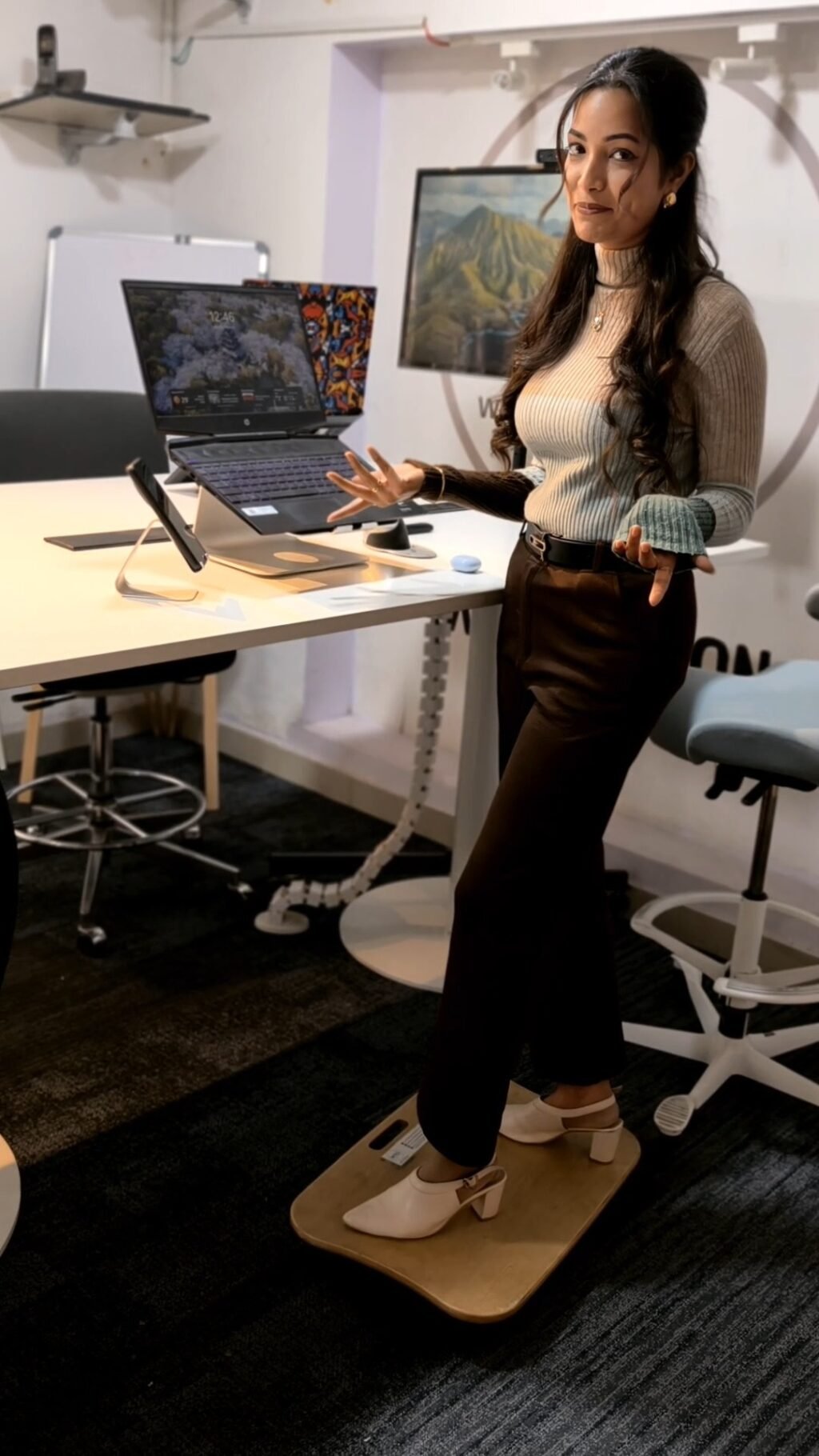
Standing Huddle Tables: These are usually 40-42 inches high. They encourage movement and are perfect for high energy, short duration syncs.
Seated Huddle Tables: Standard desk height, paired with ergonomic stools or chairs. These are better for deep dive collaborative sessions that might last 30-45 minutes.
Adjustable Height (Sit-to-Stand) Tables: The gold standard for flexibility. They allow the team to choose the energy level of the meeting.
Smart Huddle Tables: These come equipped with built in power outlets, USB charging ports and sometimes integrated screens or cable management systems for seamless plug-and-play presentations.
6. Huddle Table vs. Conference Table
It is important to understand that a huddle table is not a replacement for a conference table; it is a supplement.
| Feature | Huddle Table | Conference Table |
| Size | Small (2-6 people) | Large (8-20+ people) |
| Meeting Type | Informal, Agile, Quick | Formal, Board Meetings, Pitching |
| Flexibility | High, Easy to move/reconfigure | Low (Static, heavy furniture) |
| Duration | Short (10-30 mins) | Long (60+ mins) |
| Productivity | High (Action-oriented) | Moderate (Discussion-oriented) |
7. Where Can You Use Huddle Tables?
The versatility of these tables makes them suitable for various zones within an office:
Open Office Zones: Placed between rows of desks to allow for quick sideways collaboration without disturbing the whole floor.
Breakout Areas: Combining a huddle table with soft seating or active furniture creates a relaxed environment for creative thinking.
Cafeterias: Why should the cafeteria only be used at lunchtime? Adding huddle tables turns the canteen into a work cafe during off peak hours.
Hybrid Hubs: For offices where some employees are remote, a huddle table with a mounted 360-degree camera makes for an excellent satellite station for hybrid check ins.
8. Key Features to Look for in a Huddle Table
When shopping for huddle tables, don’t just look at the price tag. Look for features that enhance the user experience:
Ergonomic Height: If it’s a standing table, ensure it’s at a height that allows for natural arm placement while using a laptop.
Durable Build Quality: These tables see a lot of high traffic use. Look for scratch resistant laminates and sturdy steel frames.
Compact Footprint: The goal is to save space. A pedestal base is often better than four legs because it allows more people to crowd around without hitting their knees.
Mobility: Models with high quality casters (wheels) allow you to reshape your office on the fly.
9. Huddle Tables and Workplace Wellness
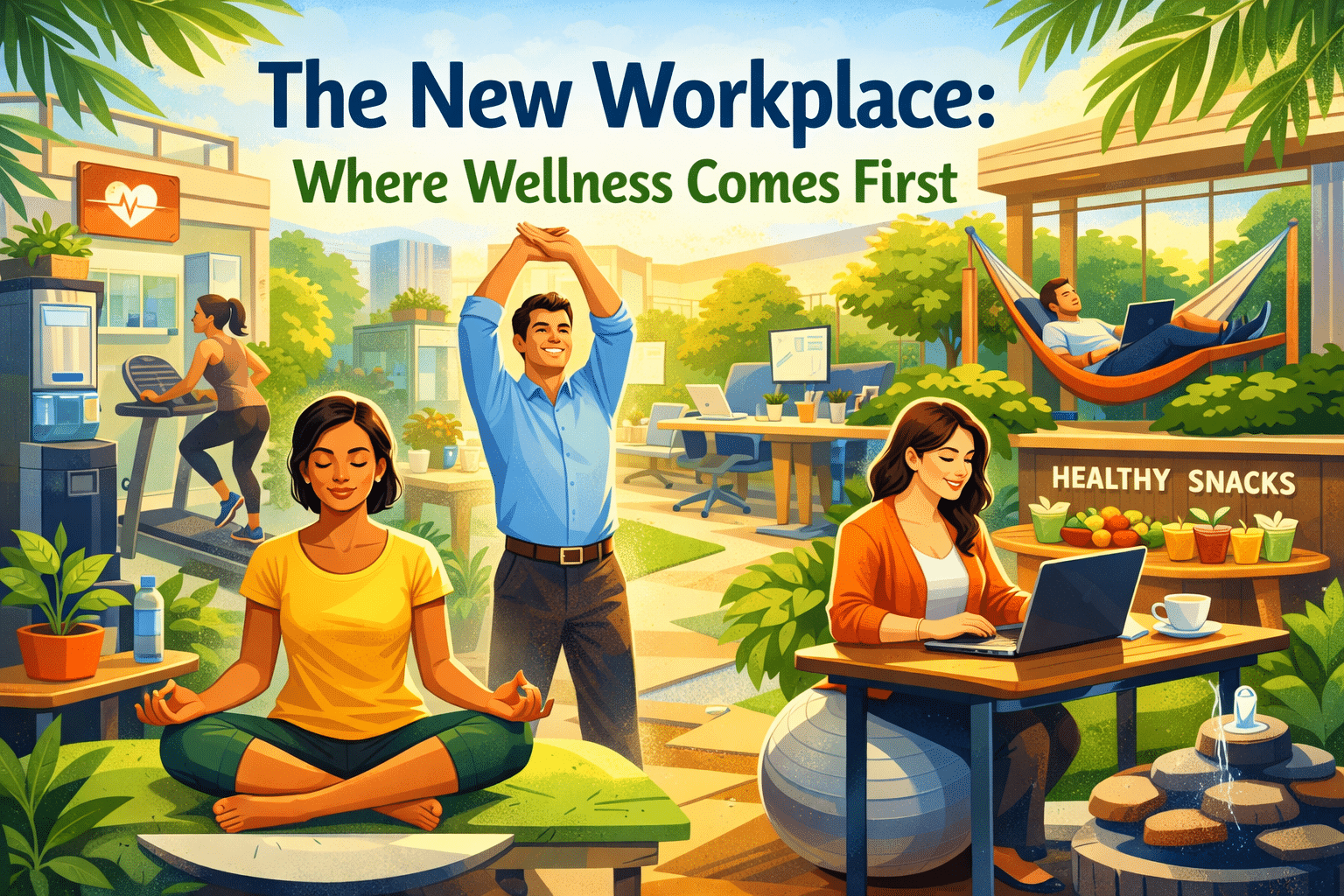
Modern office design is increasingly focused on wellness and ergonomics. Sitting for 8 hours a day is widely considered detrimental to long term health. Huddle tables, specifically standing or adjustable height versions, encourage movement.
When employees stand during a meeting, their heart rate increases slightly and blood flow to the brain improves. This leads to higher levels of engagement and energy. By providing active meeting spaces, companies show that they value the physical health of their workforce as much as their output.
10. Why WellErgon Huddle Tables Stand Out
In the Indian market, WellErgon has emerged as a leader in ergonomic solutions that actually understand the local work culture. Their huddle tables aren’t just imported designs; they are crafted for the unique needs of modern Indian workspaces.
Ergonomics + Collaboration: WellErgon focuses on the science of work. Their tables are designed to reduce physical strain while maximizing social interaction.
Indian Context: Whether you are a fast growing startup in a compact office or a legacy corporate firm looking to modernize, WellErgon offers finishes and scales that fit.
Sustainability: Built with durable, high quality materials, these tables are an investment in the long term future of the workspace.
11. How to Integrate Huddle Tables in Your Office
Ready to take the plunge? Here is a simple roadmap for integration:
Identify Dead Zones: Look for corners, wide hallways, or areas near windows that aren’t being used.
Mix the Heights: Don’t just buy one type. Place a standing huddle table near the coffee machine for quick chats and a seated one near the workstations for technical reviews.
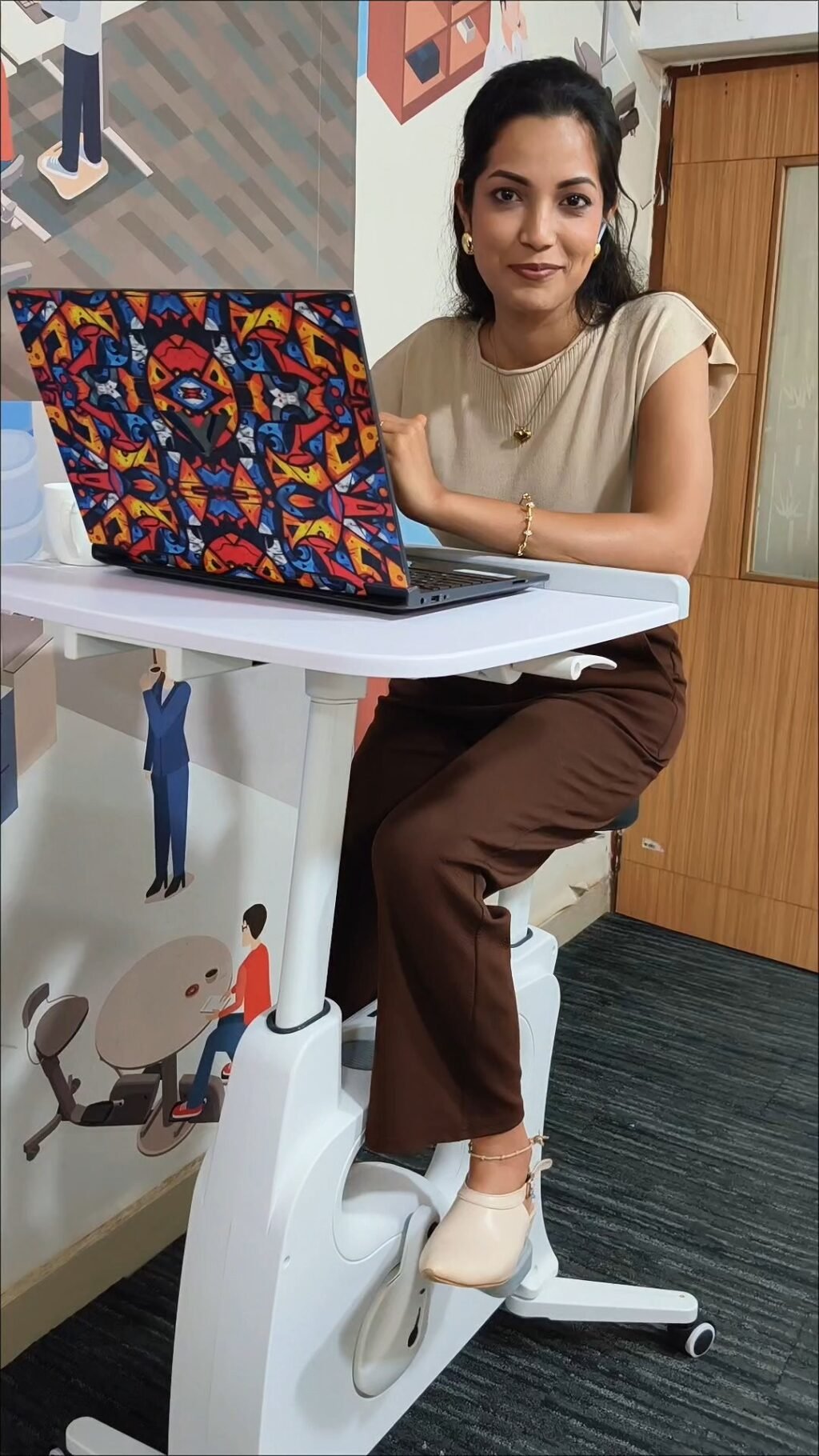
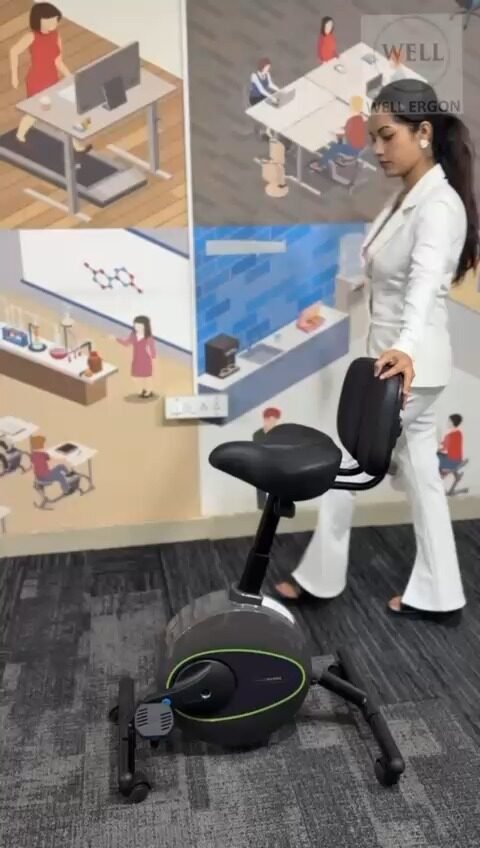
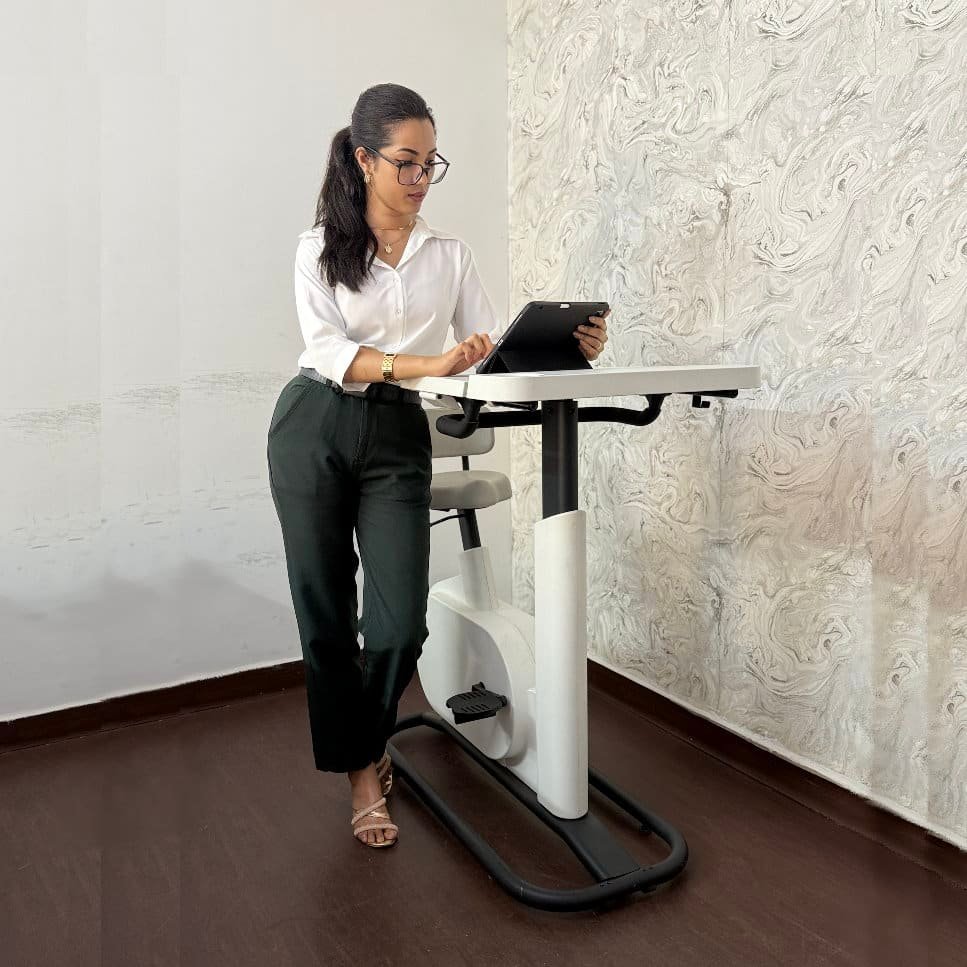
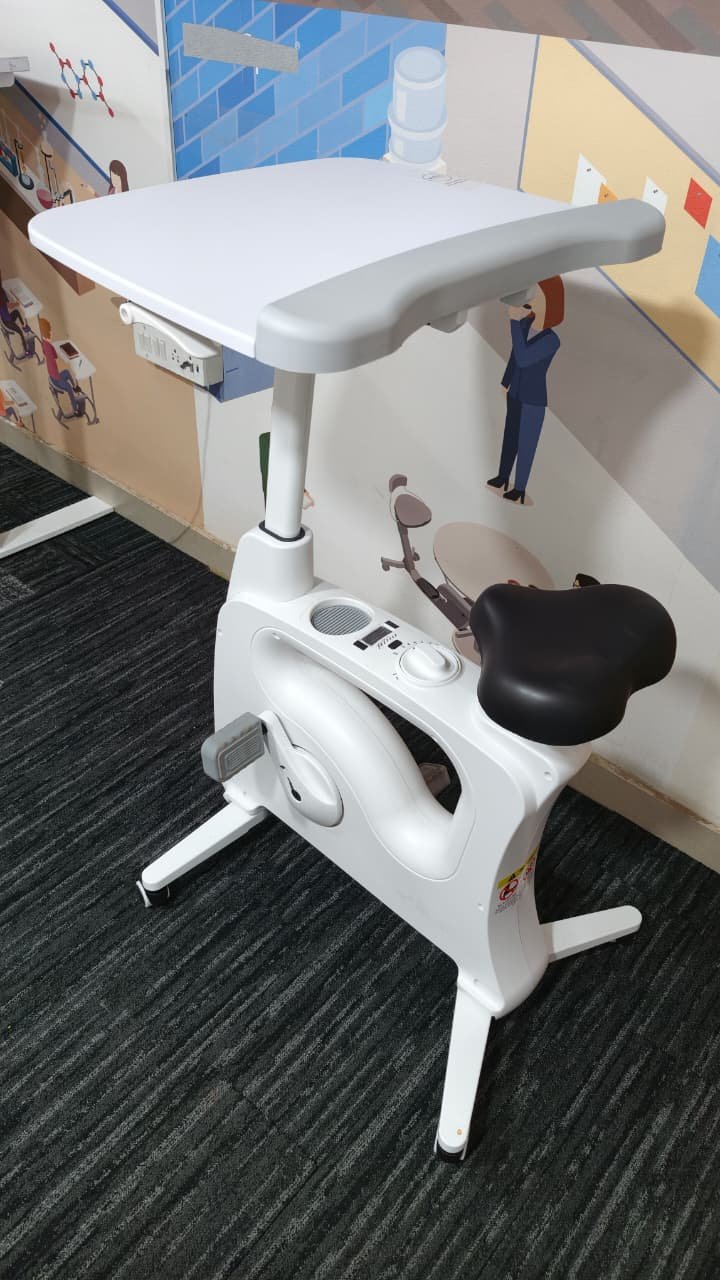
Combine with Active Furniture: Pair your huddle tables with perch stools or even under-desk cycles to create a truly active collaboration zone.
Set the Culture: Simply buying the table isn’t enough. Encourage managers to hold their 1-on-1s or daily stand ups at these tables to signal that it’s okay to move away from the desk.
12. The Future of Collaborative Workspaces
As we look toward 2026 and beyond, the office is no longer a place you have to go; it’s a place you want to go to collaborate. The future is fluid. We will see more modular offices where furniture can be rearranged in minutes to accommodate different team sizes.
Employee experience is now the top priority for HR departments. Providing varied work settings, from quiet deep work pods to high energy huddle zones, is key to retaining talent in a competitive market.
13. Conclusion
The huddle table is much more than a piece of office furniture. It is a symbol of a modern, democratic and agile work culture. It acknowledges that the best ideas often happen in the in between moments, the quick chats, the spontaneous what if sessions and the rapid problem solving huddles.
By investing in smart, ergonomic huddle solutions, you aren’t just filling up floor space, you are building an environment where communication flows freely and productivity thrives. In the modern world of work, those who huddle together win together.