Sarah realised on Tuesday, while working at her desk, that she had once again missed her little girl’s school play.
Not because a client emergency came up. Not because her boss was breathing down her neck about a deadline. She was just too tired. Bone tired. She was drained enough that just imagining the drive across town made her want to give up. Thinking about finding parking and pushing through a crowded hall almost brought her to tears.
And when she gathered the courage to tell her manager, she expected the same old response: a bit of sympathy, a promise to “look into it,” and no real change. Except something did change. Her company actually listened.
We spent years glorifying the hustle. Back then, sleeping just four hours felt impressive, and sending emails at 2 AM made you look “hard working. I had a friend who literally kept a sleeping bag under his desk and thought that made him look committed.
That era is ending. Finally.
Even businesses are beginning to get it now. You cannot show up for anyone if you are running on empty. It sounds simple, maybe even a bit overused, but it is honest.
Why This Matters More Than Free Snacks
Nobody gets excited about free coffee anymore. Ping pong tables? Please. Those perks feel ridiculous when half your team is dealing with anxiety or burnout so bad they dread Sunday nights.
Workplace wellness is different from perks. It’s not something extra. It should be how a company functions, period.
And look, when companies genuinely care about their people, not just in some mission statement gathering dust, real things happen. Harvard Business Review looked into this. Organizations that prioritize wellness see better productivity, more creativity and stronger financial results. Some studies found you get back three to six bucks for every dollar you invest, with people calling in sick less and healthcare costs dropping.
Numbers do not capture everything, when employees feel valued and not treated like machines,
they come to work in a very different way.
They care more, they try harder, that shift is worth more than any statistic.
What Does This Look Like When It’s Real?
Physical Health Stuff (Not Just Gym Discounts Nobody Uses)
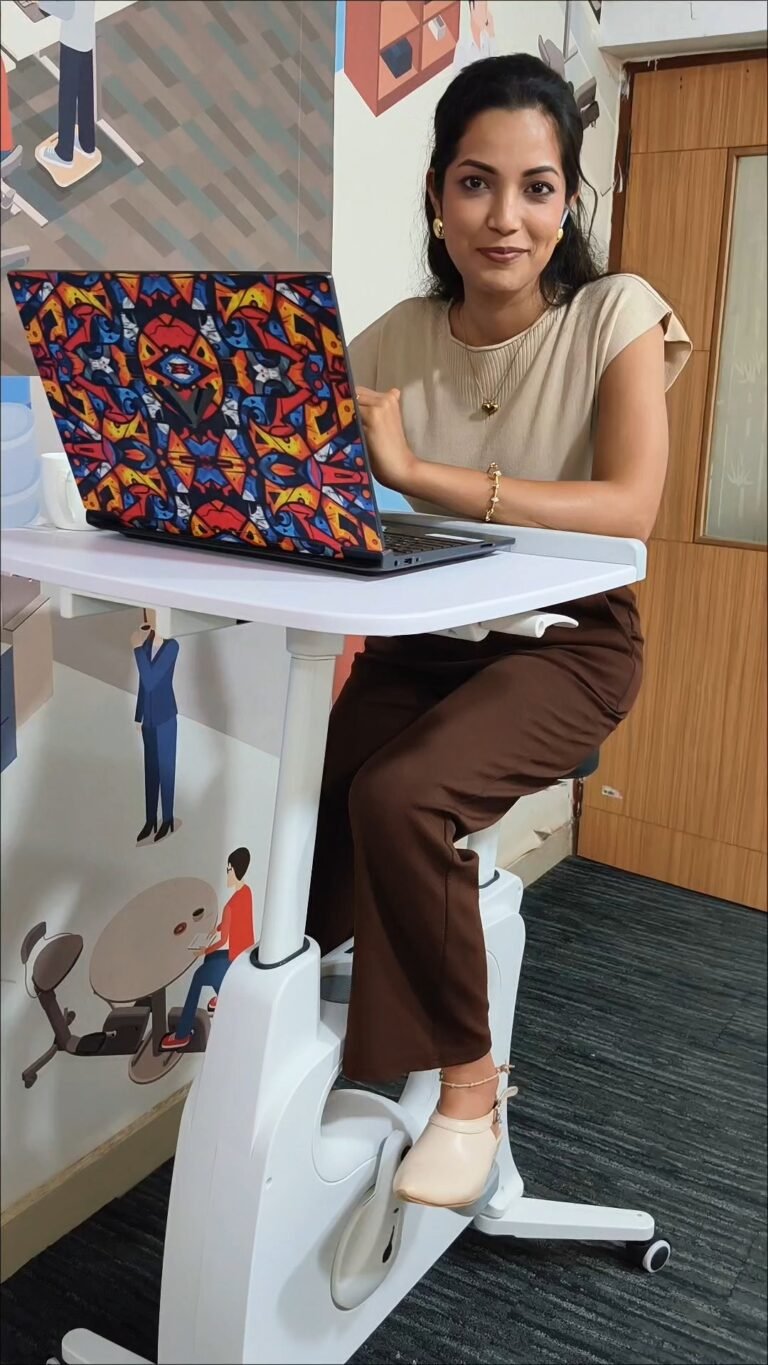
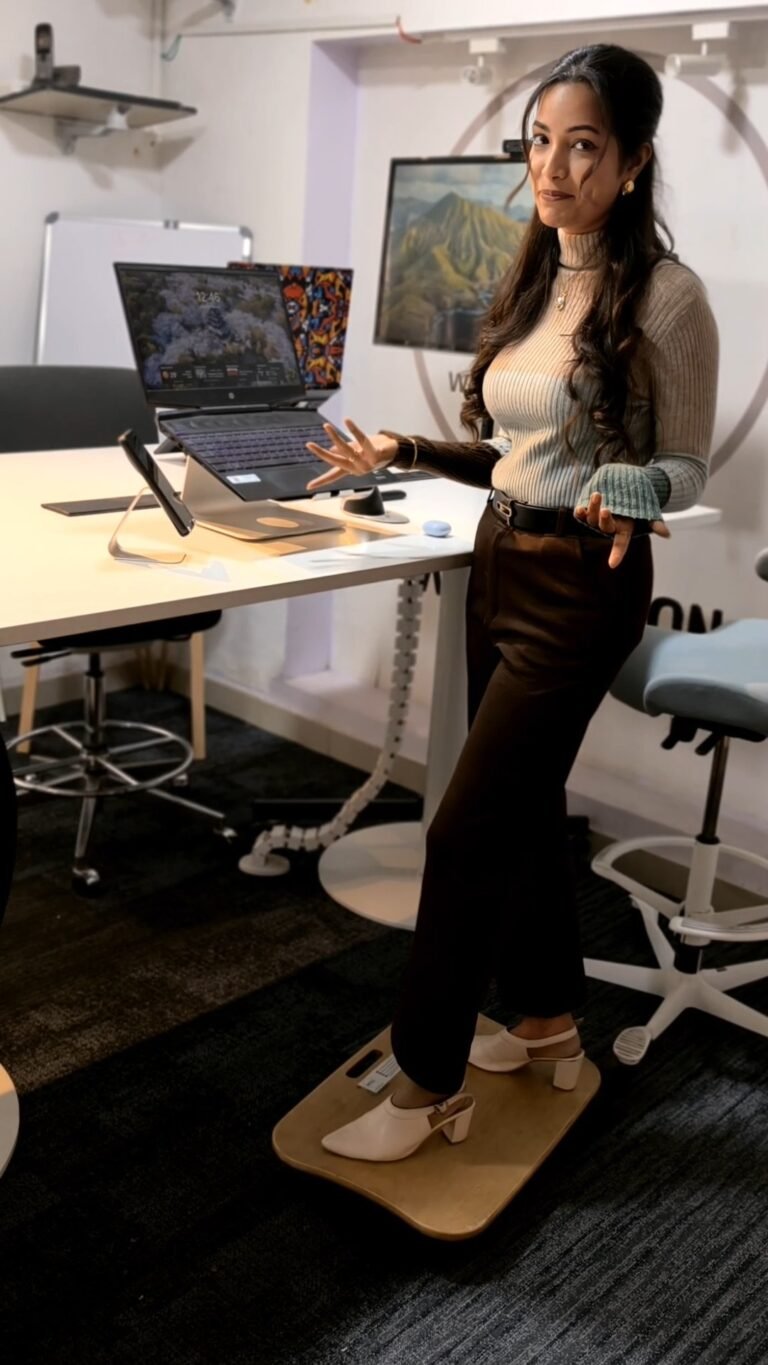
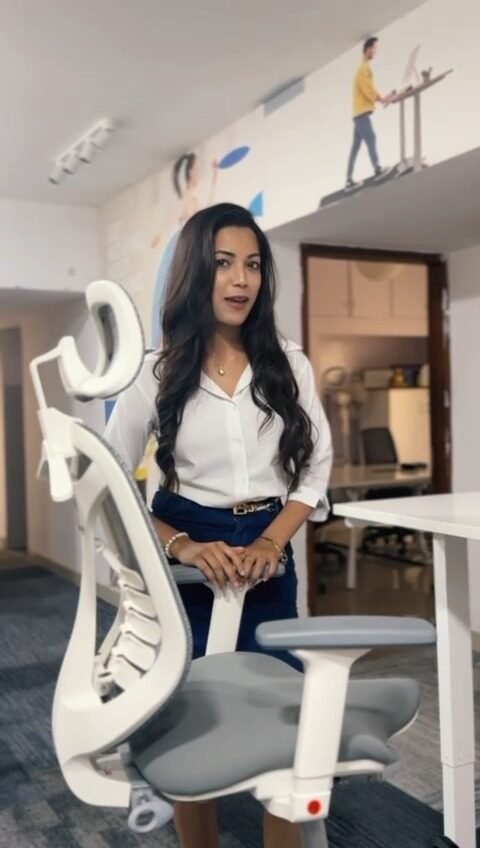
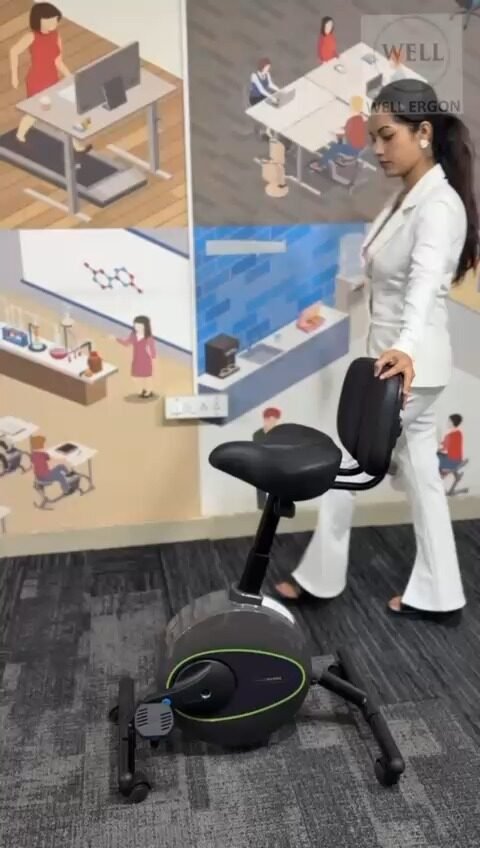
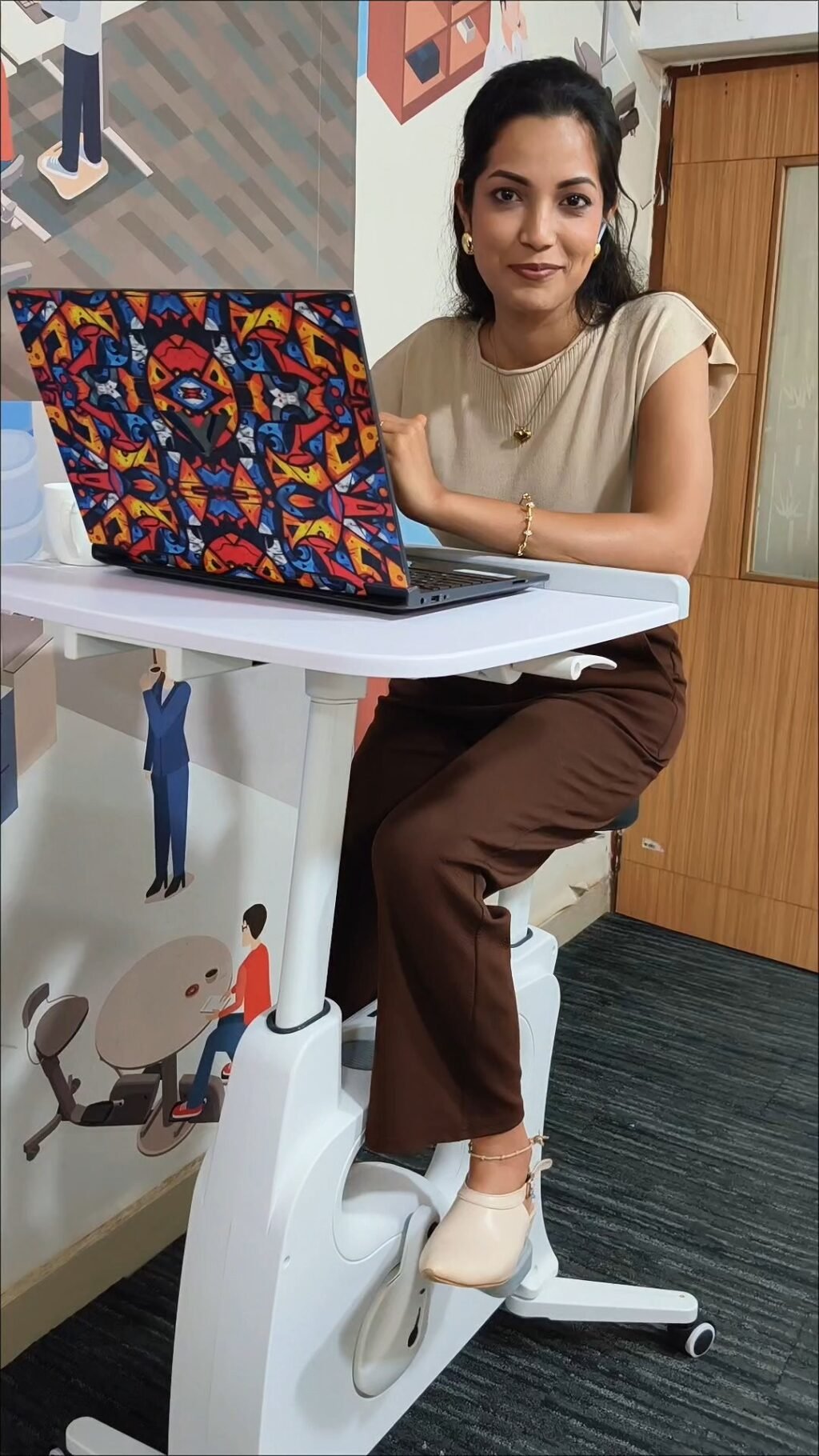
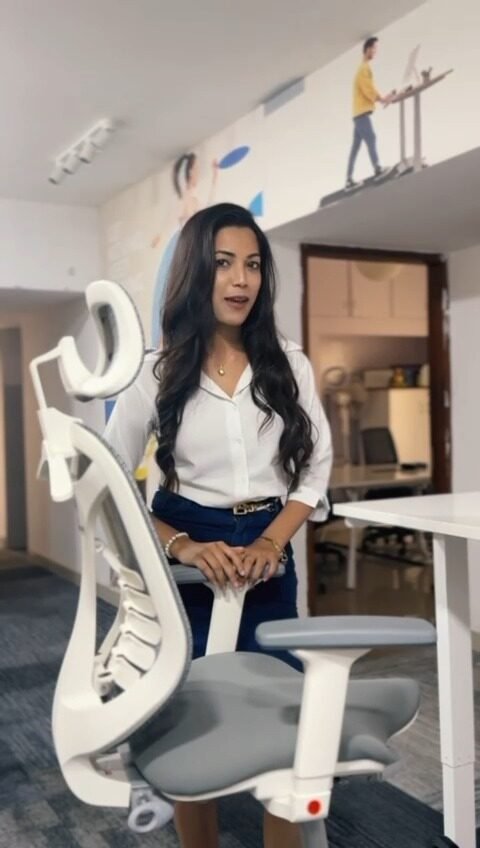
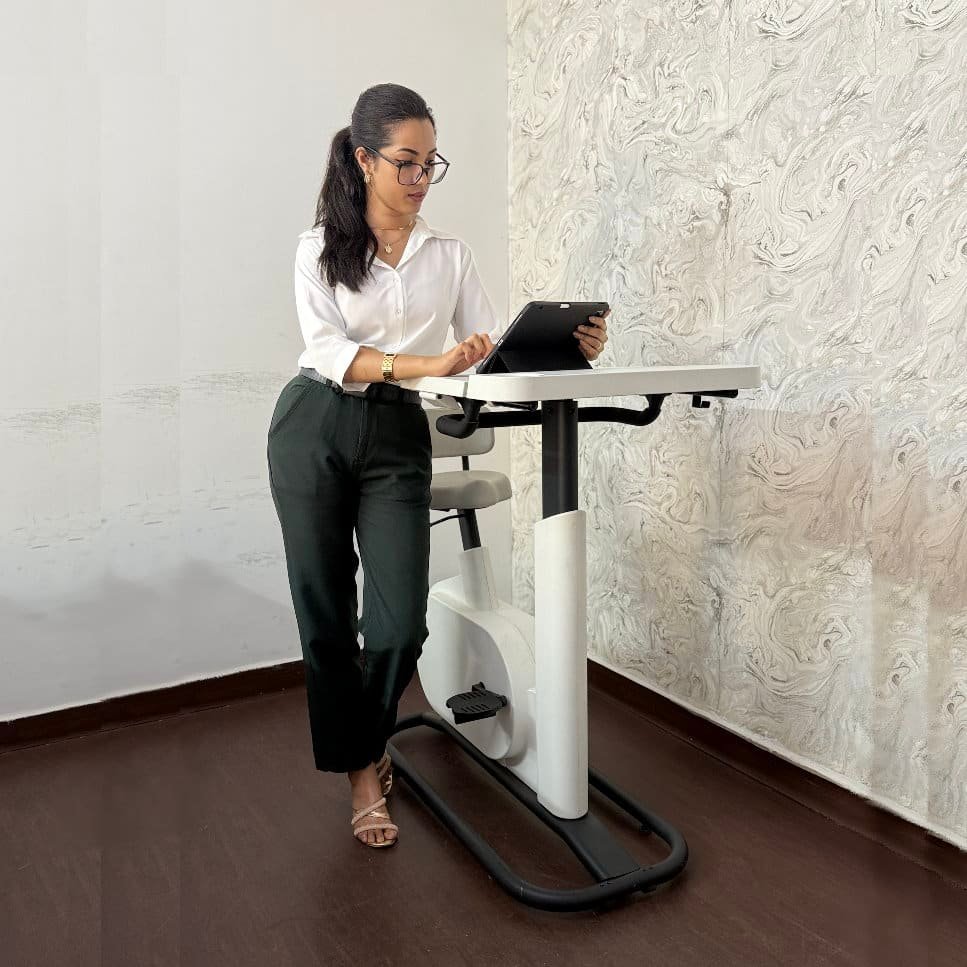
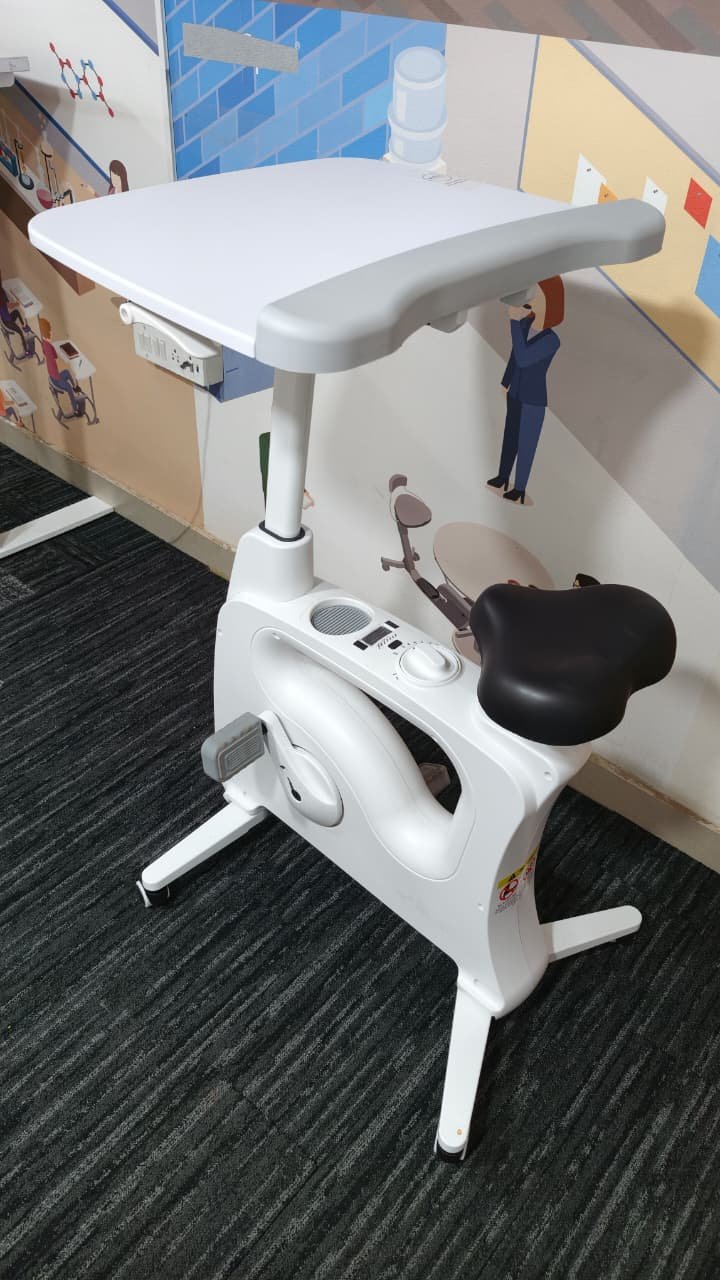
Actual workplace health programs think bigger. Ergonomic assessments so you don’t end up with chronic back pain by 35.
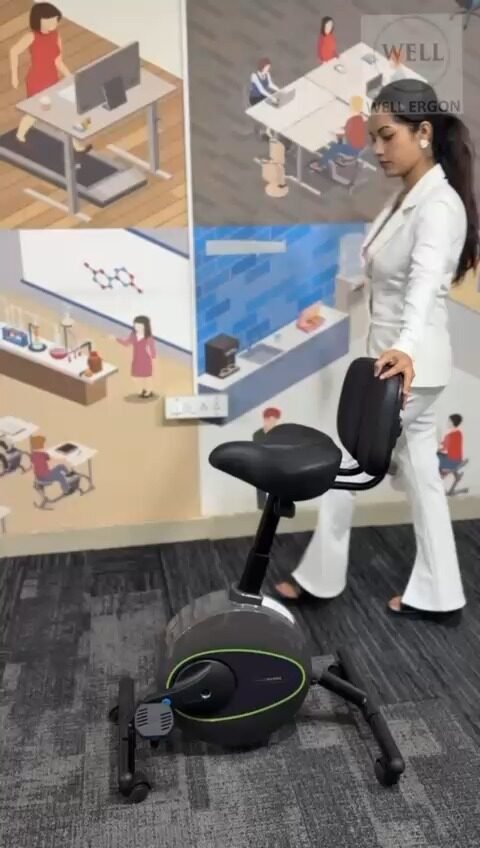
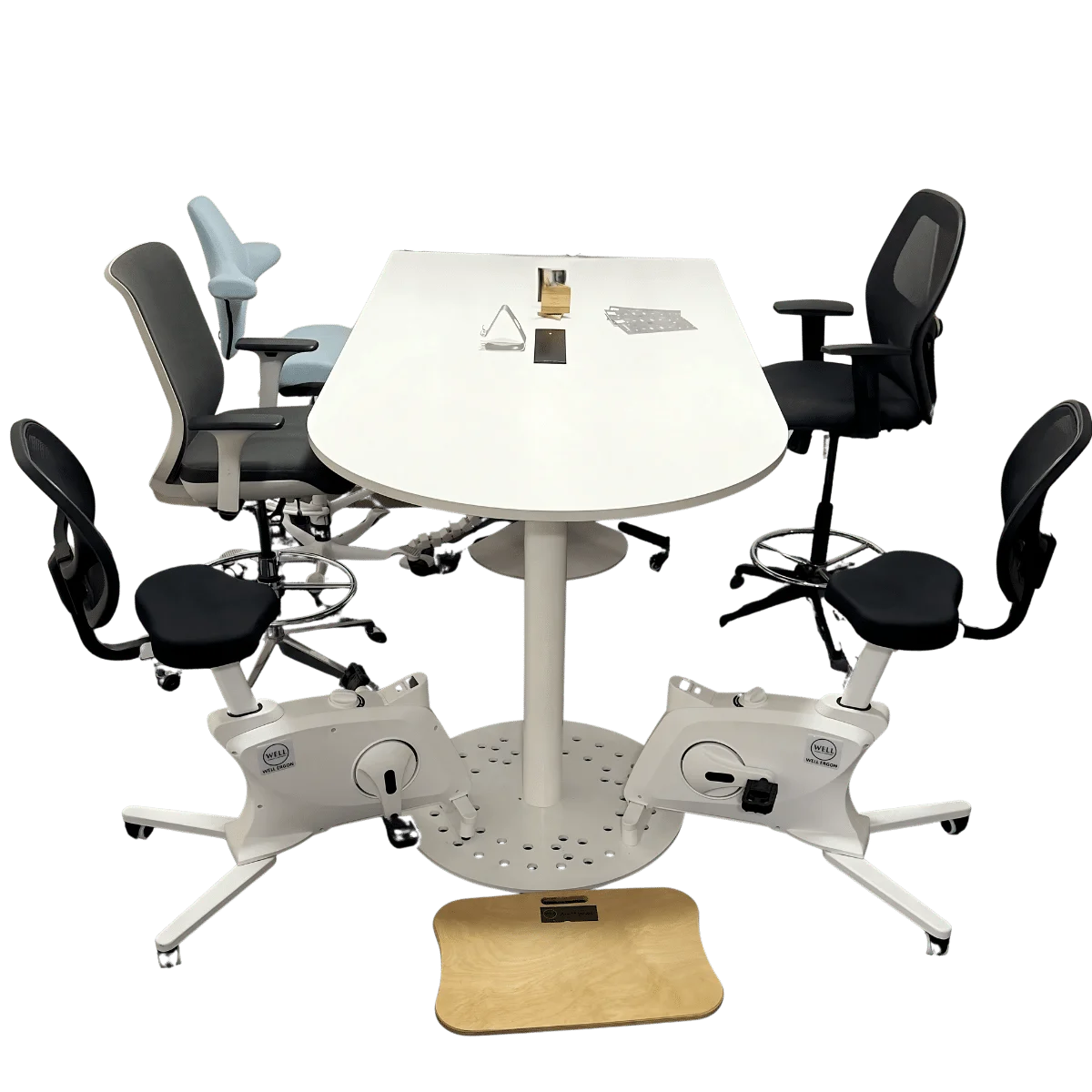
Healthy meals that don’t burn a hole in your pocket. And simply letting people get up, move a bit, and not be trapped in one chair from morning to evening.
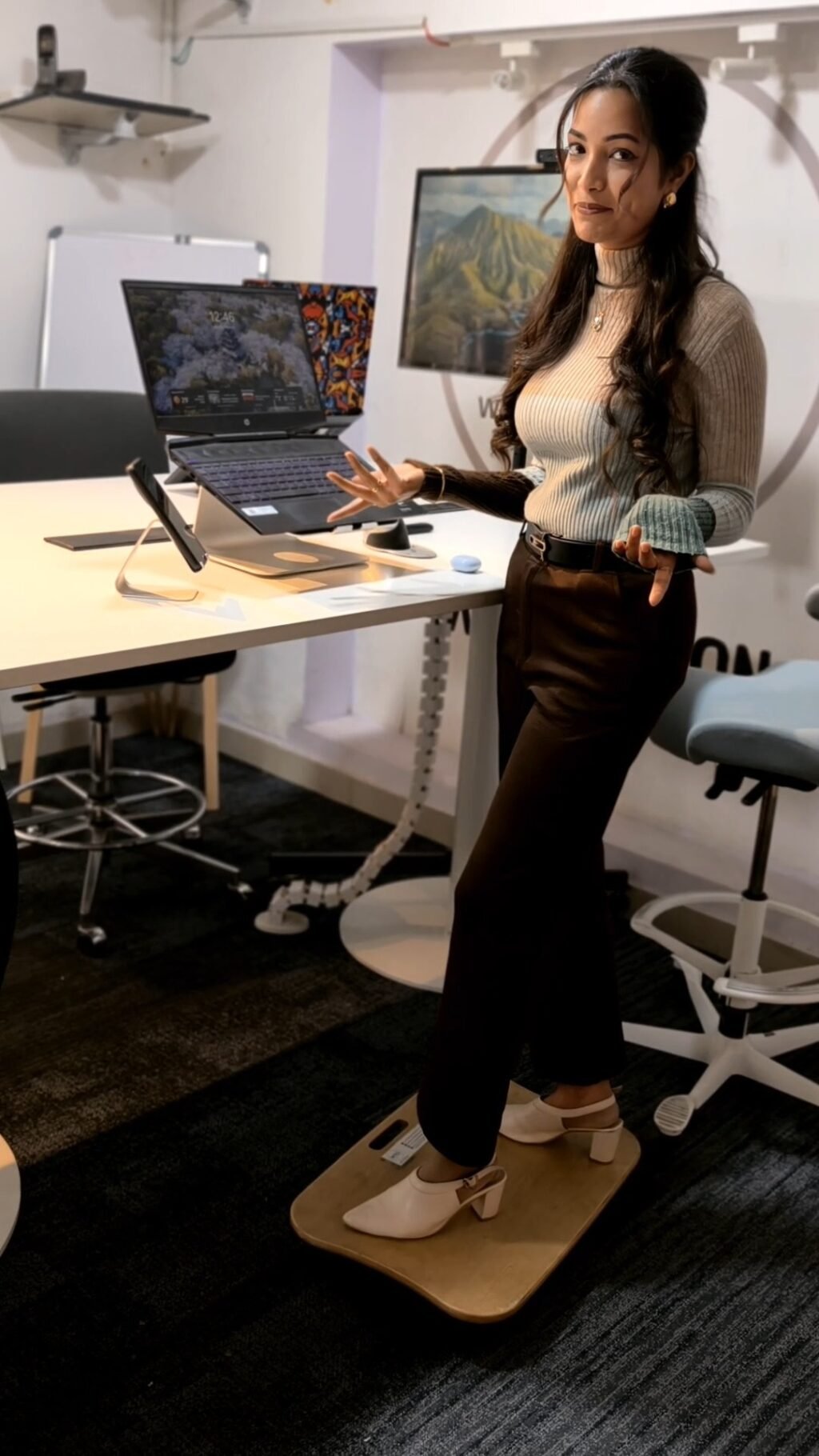
Standing desks, sure. Walking meetings, those actually work better than you’d think. Office designs that don’t make you feel trapped. Some companies bring in physical therapists. Others work with gyms in the area to get people affordable memberships they might use.
Nothing fancy. Just acknowledging that people have bodies that need care.
Mental Health Support That’s Not Just a Poster in the Break Room
The companies getting this right have confidential counseling through Employee Assistance Programs. They give mental health days that don’t eat into your sick leave, because your mental health matters just as much as a stomach flu. They train managers to spot when someone’s drowning instead of just loading them up with more projects.
Patagonia started offering on site childcare and mental health support years ago. Salesforce has these wellness reimbursement programs. Yeah, those companies have money. But I’ve seen smaller companies do versions of this, too. Sometimes you just need people who care enough to try.
What really matters, though? Building a culture where asking for help doesn’t tank your career. Where you can mention therapy without people giving you weird looks. Mental health gets discussed like any other health topic. Where leadership admits they are human beings with struggles instead of pretending to be superhuman.
Work Life Balance That Isn’t Complete Fiction
True flexibility is about trusting people to handle their time. It is also about understanding that they have a life beyond work, including family, interests and everyday commitments.
Maybe that’s core hours when everyone’s available but flexible starts and endings. Maybe it’s judging people on what they accomplish instead of counting hours. Maybe it’s not sending emails at 10 PM and expecting answers. Maybe it’s parental leave that doesn’t force impossible choices between career and family. Maybe it’s letting people who’ve been around a while take sabbaticals.
Here’s what’s funny. Companies that actually embrace work life integration find that productivity doesn’t crash. It goes up. When people control their schedules and feel respected, they focus better during work hours. Treating people like responsible adults works. Who would’ve thought?
Financial Wellness Matters Too
Money stress doesn’t leave you alone just because you clocked in. It’s hard to concentrate on anything when you’re worried about bills. Companies that get this offer financial education, help with retirement planning, student loan assistance and pay transparency so people aren’t wondering if they’re getting screwed.
Some provide financial counselling, emergency savings programs and even direct help when someone hits a rough patch. Yeah, it costs money upfront. But you get it back in people who stick around and can actually focus on their work.
Building Actual Connections at Work
Real connection happens through mentorship programs that match people well. Employee resource groups where people find their community. Spaces designed for collaboration. Social events that respect the fact that some people hate crowds or don’t drink or have kids to pick up.
Remote teams have to work harder at this. Virtual coffee chats. Online communities. Meeting up in person when you can. It takes intention or people just drift apart and feel isolated.
Leaders Have to Actually Do This, Not Just Talk About It
You can introduce every wellness program out there, but if the leaders don’t actually practice these values, it won’t mean much. People always notice what leaders do, what they focus on, the hours they work, the things they praise.
Good leadership is human leadership. It is leaders being open about their tough days. It is managers stopping work at a reasonable time and asking their teams to do the same. It is executives who value people’s wellbeing as much as performance.
When leaders take care of themselves, it gives everyone else permission to do it too. When the CEO takes a proper break, when directors go for therapy, when managers say “I’m feeling overwhelmed right now,” it makes a difference. It slowly changes the whole culture.
Let’s Be Real About the Hard Parts
Making a workplace like this happen is hard work. It requires fund, it requires changing the culture, and it requires commitment from everyone, upper management.
Some leaders think prioritizing wellness makes teams soft. The research completely contradicts this. Gallup’s data, stuff from the American Psychological Association, all show that well-rested, mentally healthy people outperform burned out people on every single measure. Exhausted people do terrible work. This shouldn’t be surprising.
The toughest part? Patience. Culture doesn’t flip overnight. You’ll roll out ideas that flop hard. Some days it feels like nothing’s moving forward, but pushing people to their limits isn’t the answer. You’ll hit roadblocks like leaders who’ve built their careers on the old-school hustle and push back hard. Tight budgets, yet skipping this often costs way more in turnover. Figuring out how to measure “morale” when your CFO’s chasing spreadsheets. Staying fired up without those quick wins. And making sure no one gets left out, even the remote folks.
Where to Start If You are Ready
Want to build a wellness-first workplace? Here’s how.
- Figure out where you are.
- Survey your people honestly. What do they need? What’s missing? Stop guessing. Ask them directly.
- Start small and build.
- You don’t need millions. Start with mental health days. Flexible hours. Wellness stipends. It’s the little changes that really stack up in the long run.
- Train your managers.
- They’re on the front lines. Teach them about mental health, boundaries, how to support people without smothering them.
- Make it measurable.
- Track wellness like you track sales or customer satisfaction. Pick metrics and watch them.
- Keep talking about it.
- Wellness can’t be some annual initiative you announce and forget. It needs to be an ongoing conversation.
- Adjust as you learn.
- Get feedback regularly. What’s working? What’s flopping? Be willing to pivot.
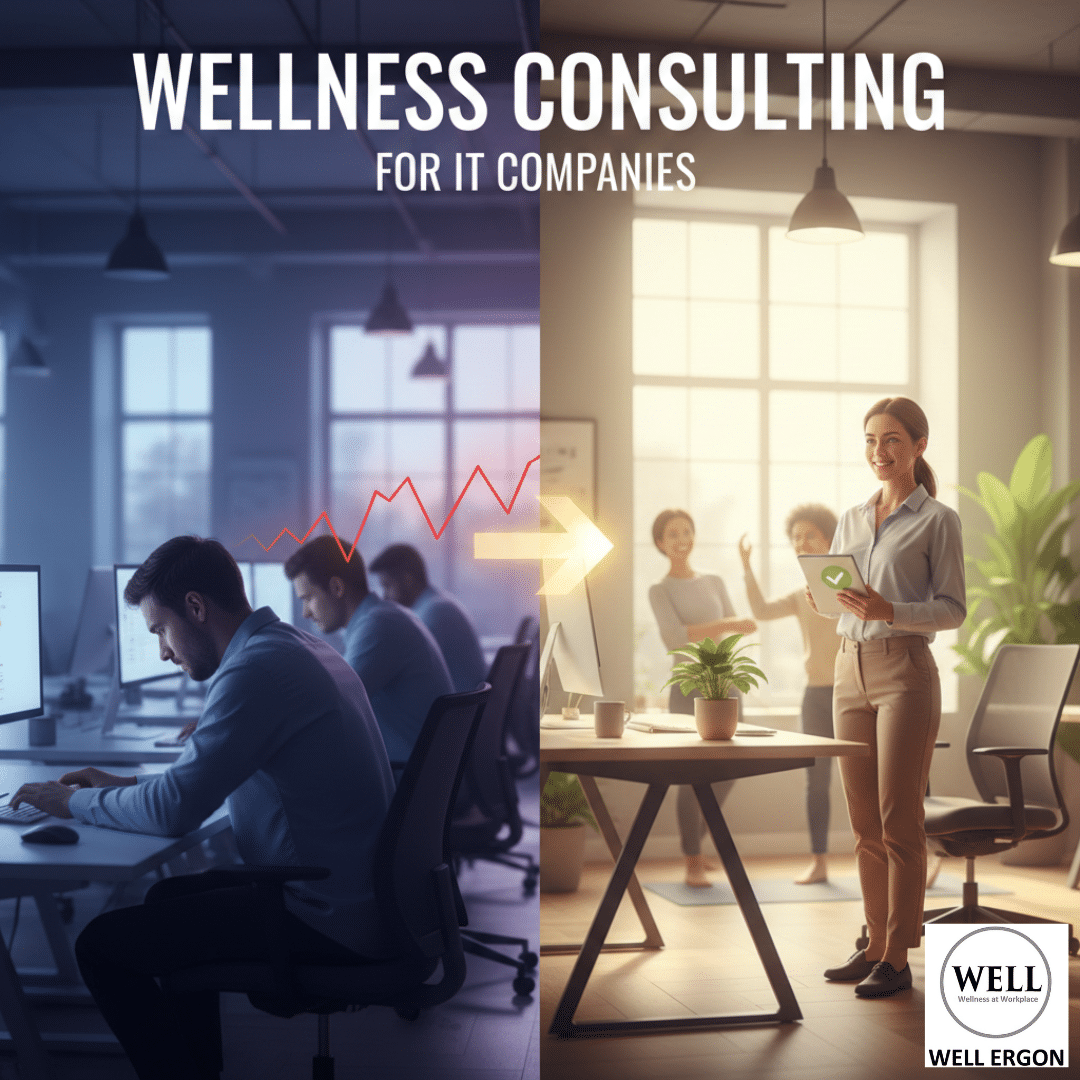
When you want additional direction, wellness consultants can footstep in to aid with planning, execution, and tracking results. Go for those who tailor their tactic rather than using one-size-fits-all tools.
Who care about data. Who take time to understand your culture instead of assuming one approach fits everyone.
How This Plays Out
Sarah got the support she needed eventually. Her company added flexible hours. Improved their mental health resources. Built a culture where people could be honest about struggling without worrying about consequences.
She made it to the next school play. And her work quality? It improved, not declined.
That’s what workplace wellness promises. Not that work becomes easy, it won’t. But it becomes something you can sustain long-term. When wellness comes first, all else advances too. Performance. Retention. Innovation. Culture.
The companies that prosper in the coming years won’t be the ones that embraced every last drop from their people. They’ll be the ones that invested in wellbeing and created places where people can actually thrive while the business thrives too.
Frequently asked Questions
1. How long before we see results?
Morale shifts within weeks. You’ll notice it in meetings, in how people interact. Concrete metrics show up in three to six months. Big changes like lower healthcare costs take 12 to 18 months.
We’re not racing here..
2. What do we get back for what we invest?
Good programs return three to six dollars for each dollar spent. That’s through 28% less absenteeism, maybe 25% lower healthcare costs, and productivity bumps between 20-52%. But some returns don’t fit in spreadsheets, like people actually wanting to work for you.
3 Can small businesses afford this?
Absolutely. Start cheap. Flexible scheduling costs nothing. Mental health days cost nothing. Basic ergonomic improvements are minimal. You don’t need tech company budgets. The cost of ignoring this, turnover, lost productivity, usually costs way more than addressing it.
4. How does this work for remote teams?
Virtual platforms. Online counseling options. Home ergonomic assessments. Digital fitness stuff. Virtual hangouts that don’t feel awkward. Give people equal access and money to set up healthy home offices. Remote makes it harder but not impossible. Just different.