Your Body Is Talking. It’s Time to Listen
Let’s face it, we all sit more than we know. We cover long hours at work, endless meetings and excessive screen time … your chair is slowly infiltrating into second home territory. Here is the dirty secret they don’t tell you nearly frequently enough: The way you sit is as important as how long you sit.
That lower back ache at 5 PM? The recurring neck tension that just won’t go away? Those aren’t “normal.” They are alarm bells from your body telling you something must change.
Why Your Sitting Posture Matters?
When you settle in with poor alignment, your muscles, spine and joints have to go into overdrive. Your spine has a natural S-curve to balance weight distribution. But when you slouch or hunch forward too long, you shove your body out of its natural posture. In the long run, this results in fatigue and stiffness and chronic pain.
Bad posture isn’t just terrible for your body. It alters the way you have energy, and how you focus too. You know how you slouch when you feel stressed? That’s because posture and mood are intertwined.
Fun fact: Your neck muscles feel 10 pounds heavier with each inch that your head comes forward. That is why so many of us experience neck pain after long hours in front of our laptops.
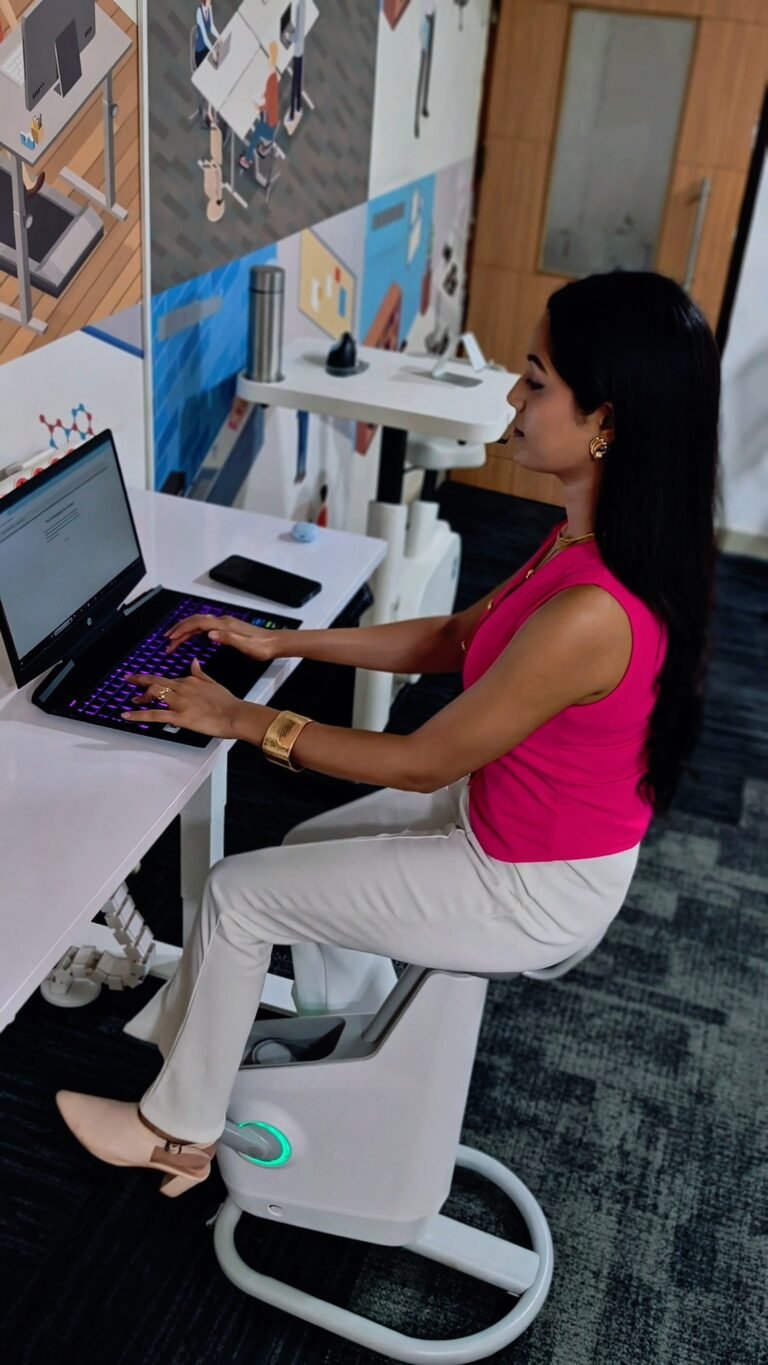
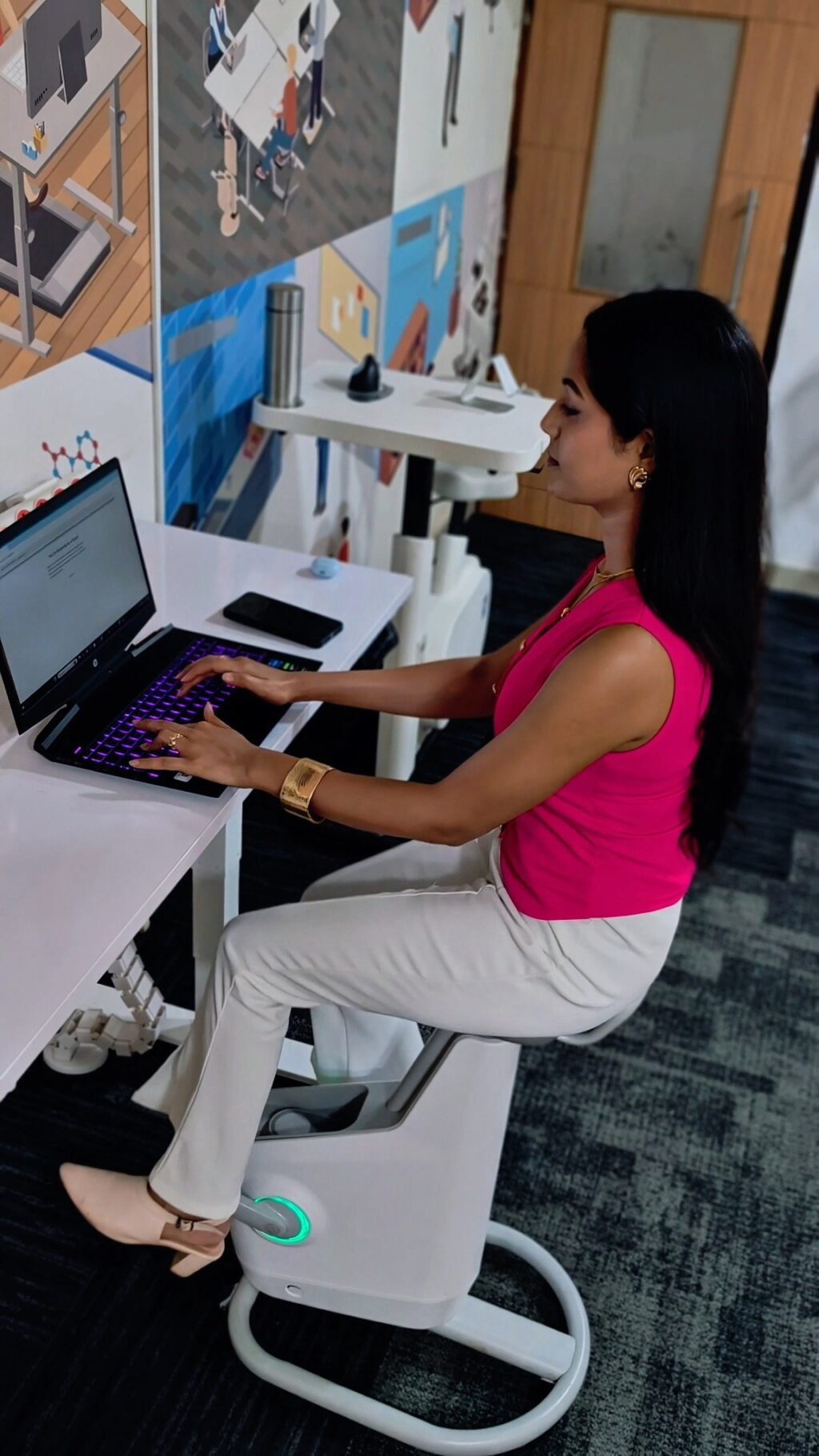
PHOTO: An adult who is sitting in the correct position or the right position when working on a computer.
Don’t worry; we don’t expect you to sit frozen like a robot. There is no big deal to sitting right, and it’s way more comfortable than you imagined.
Begin with your feet: Make sure they are planted flat on the floor. No dangling. No crossing for hours. If you fail to reach, have a footrest ready.
Then, check your knee-to-hip level: Your knees should be level with or just below your hips. This keeps blood flowing properly.
Support your lower back, or the natural curve of your spine at the base of your belly, which needs support. Recline all the way back in your chair and engage the lumbar support. No proper support? Use a cushion.
Unwind your shoulders: Your shoulders should be loose, not hunched up towards your ears. Your head should hover over your shoulders, not just jut forward like you’re diving into your screen.
The Sneaky Things That Are Ruining Your Posture
The vast majority of posture problems begin without our knowing it.
The slow slouch: You begin sitting up straight for the day… By afternoon, you’re a puddle in your chair. This curls your spine and strains your lower back.
The turtle neck: You find your head creeping forward, especially if your monitor is too low or your laptop is flat on the desk.
Crossed legs for too many minutes: Well, this may comfort you momentarily, but it throws your hips all twisted and off-kilter.
Creating Your Workspace Properly
If you are working against your workstation, even the best intentions fail.
Your Chair: Seek an adjustable height, so your feet can be flat on the ground and your knees at 90°; real lumbar support that follows the curve of your spine; and armrests you can bring down low enough to let you sit close to your desk.
Monitor Position: Your monitor should be at least an arm’s length away from you, with the top of the screen at or just below eye level. Using a laptop? Invest in a laptop stand or external monitor. Hunching over a laptop is one of the most common reasons for neck pain.
Keyboard and Mouse: Keep your elbows at about 90 degrees, wrists in a neutral position (not bent) and everything easy to reach.
Movement Matters as Much as Posture
Here’s a surprise: even the best sitting posture is bad for you if you do it for too long. Keeping blood flowing and taking the stiffness out is important.
Try this routine:
- Get up or move about every 30 minutes
- Stand up and stretch for one minute every hour
- Simple mobility every 2-3 hours
- Your next posture is always your best posture.
- Fast Stretches: Shoulder rolls, neck side stretches (gently tilt your head and hold for 20 seconds) and seated twists all instantly relieve pressure.
Useful Accessories That Help
You don’t need them all; just whatever helps your body sit properly:
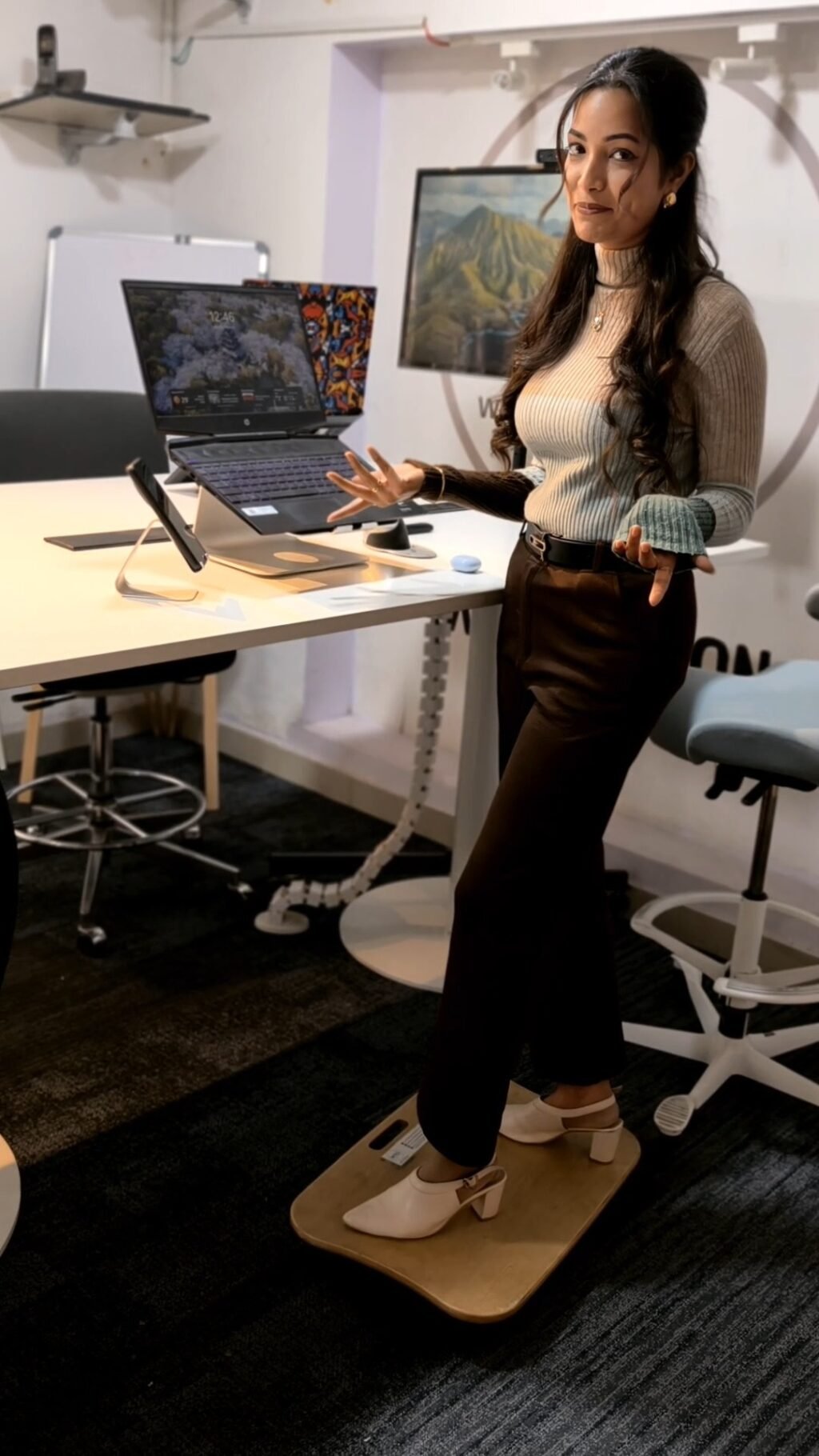
- A foot rest, which aids in circulation and hip alignment
- A back cushion providing lumbar support
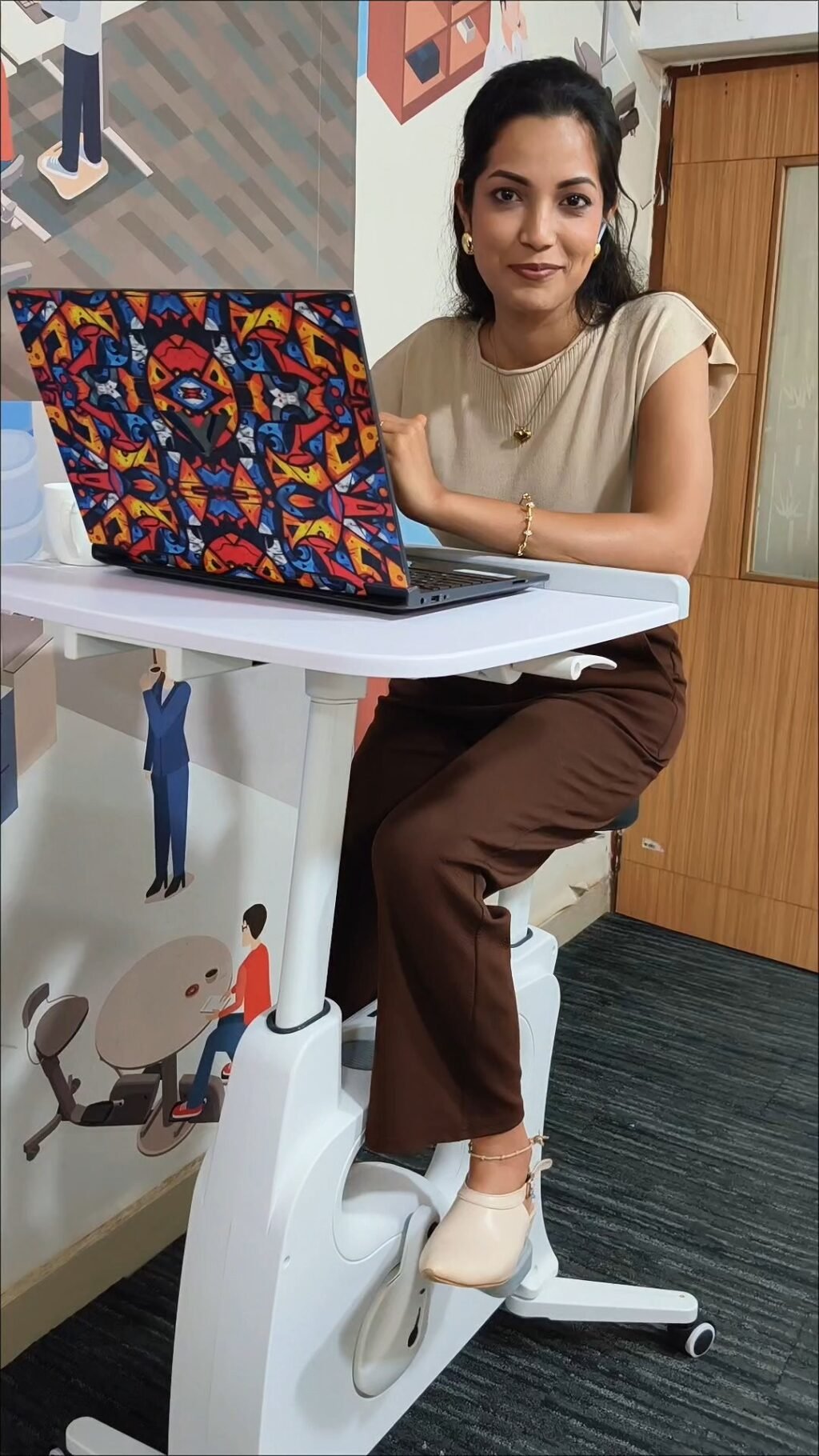
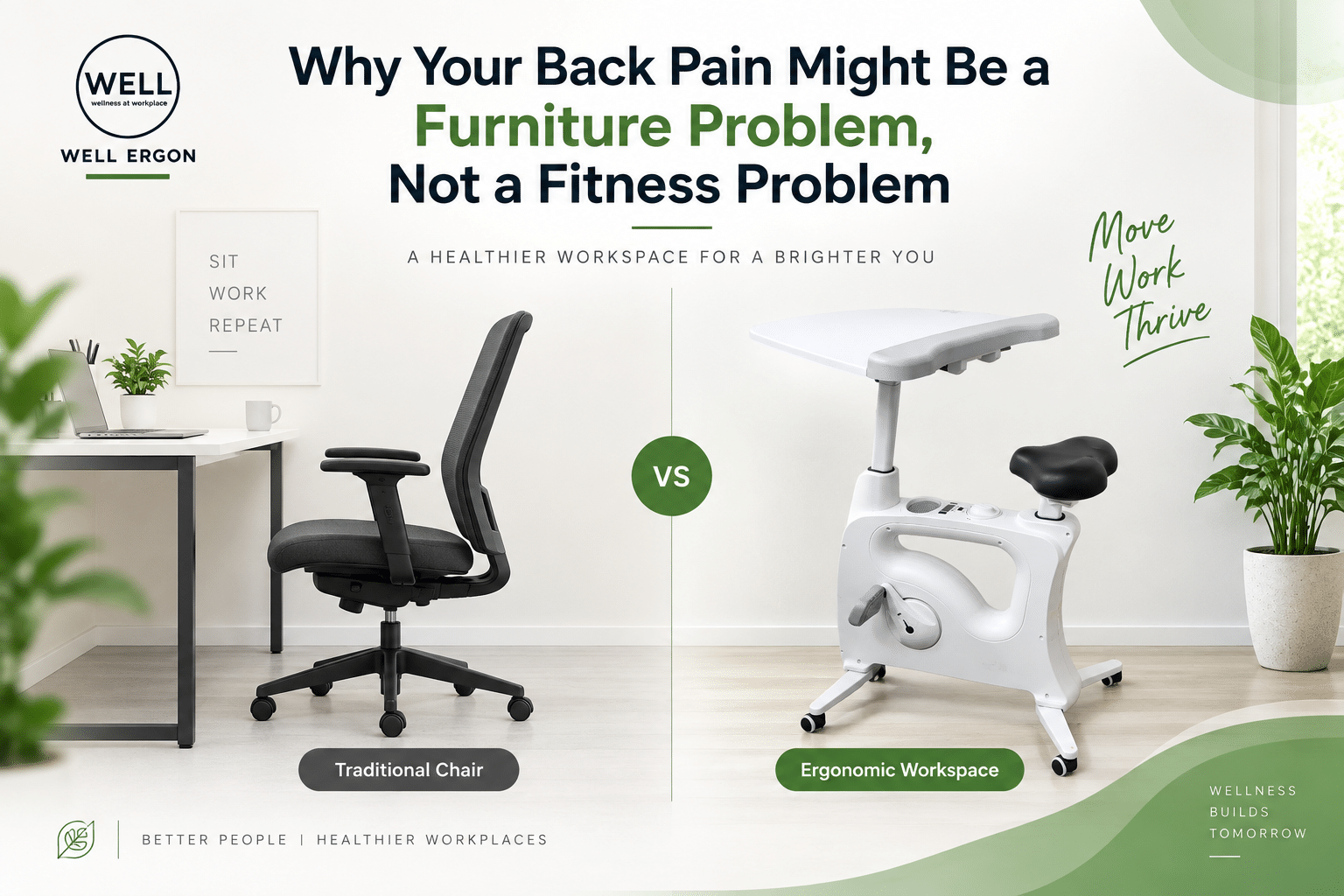
- A standing desk converter to sit and stand interchangeably
Remember: It is not sitting versus standing. Alternating is the key.
The Well Ergon Difference
Well Ergon isn’t all about furniture sales. It’s all about helping people build workspaces that are better for long-term health and good sitting based on strong posture.
Real-world testing: You get a chair or desk that supports your body when you need it, free of gimmicks more odious than afternoon fatigue.
Intuitive adjustments: You should not have to consult an instruction manual to be able to adjust your office chair. Our designs have as little set up time and are configured in the easiest possible way.
Education over sales: We are passionate about why healthy sitting matters and want to not only tell you what to buy but also help educate our customers. We are here to offer you the tools and consultations required to achieve a good sitting posture.
A holistic approach: We think about your whole workspace ecosystem, from desk height to lighting to how you orient your monitor.
Building Long Lasting Habits
Good ergonomic habits are the ones that stick when they’re easy and uniform.
Schedule regular hourly reminders to check in with your body. Do posture checks: Where’s your head? Are your shoulders tense? Is your back supported?
Link posture to routine moments. Reset your sitting position after each meeting. Establishing habits takes weeks, but each little improvement counts.
Your Journey Starts Now
Paying attention to how you sit is hardly sexy, but the results really will change your life. Healthy sitting equals less pain, more energy, sharper focus and better long-term health.
You don’t need a fancy workspace to get started. It just takes awareness, small adjustments and consistency. Most people experience relief within 2 to 3 weeks of consistent practice. Greater improvements occur over 6 to 12 weeks, but those benefits are cumulative.
Consider it an investment in your future self. Each tweak you make today saves trouble tomorrow. Begin using these ergonomic sitting tips and see the change.
Frequently Asked Questions
When will I see results?
Relief is often experienced for weeks. Bigger changes require six to 12 weeks of commitment.
Do I need one of those special ergonomic chairs?
Not always. You can even make a simple chair conform to the same rules with cushions and adjustments. But it can be worth spending on an ergonomic office chair if you spend long hours sitting.
Should one sit at 90°?
No, it is better for your back if you recline a little to 100 or 110 degrees. This eases the pressure on your lower back.
What is the number one thing that’s most important for sitting healthily?
Lumbar support. Supporting your lower back is the key to eliminating most posture pain.
Ready to Change the Way You Sit?
Don’t let another day of chronic pain or poor posture hold you back! Find the perfect ergonomics solutions designed for comfort, wellness and better living with Well Ergon.
What You’ll Get:
Ergonomic chairs tested in the real world and adjustable desks. WellErgon qualified team offers expert advice forthe right sitting posture & quality workplace solution. We provide personalized ergonomic assessments and educational material to create long-term, healthier habits.
Certainly, your furniture should work for you, not against you.