1. Introduction: The Modern Workplace Needs More Than a Desk
Most workplaces are designed around productivity, but productivity doesn’t happen in isolation from physical wellbeing. Employees spend significant portions of their day at work, often alternating between screens, meetings, and long stretches of sitting. Instead of treating movement as something employees have to find time for outside working hours, workplaces can make movement easier to build into the workday itself.
A healthier workplace isn’t necessarily one with a gym. It’s one that makes movement, recovery and wellbeing easier to access, without requiring employees to leave their desk, their floor, or their schedule behind.
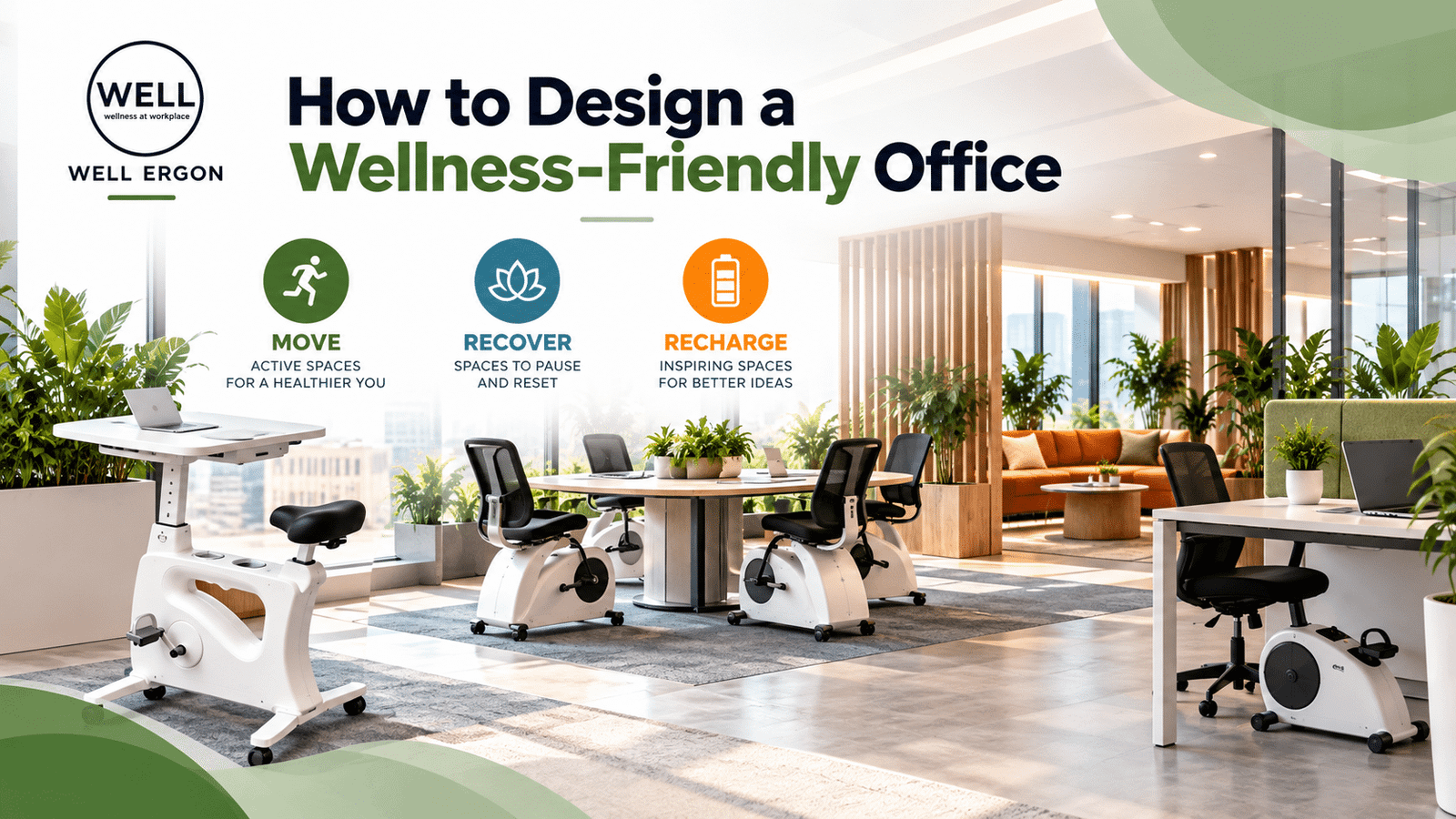
This shift can be understood through three simple pillars: Move → Recover → Recharge
This article explores what each pillar looks like in practice and how organizations can design workplaces and choose the right tools, to support all three.
2. What Does a Movement Friendly Workplace Look Like?
Moving Beyond the Traditional Desk
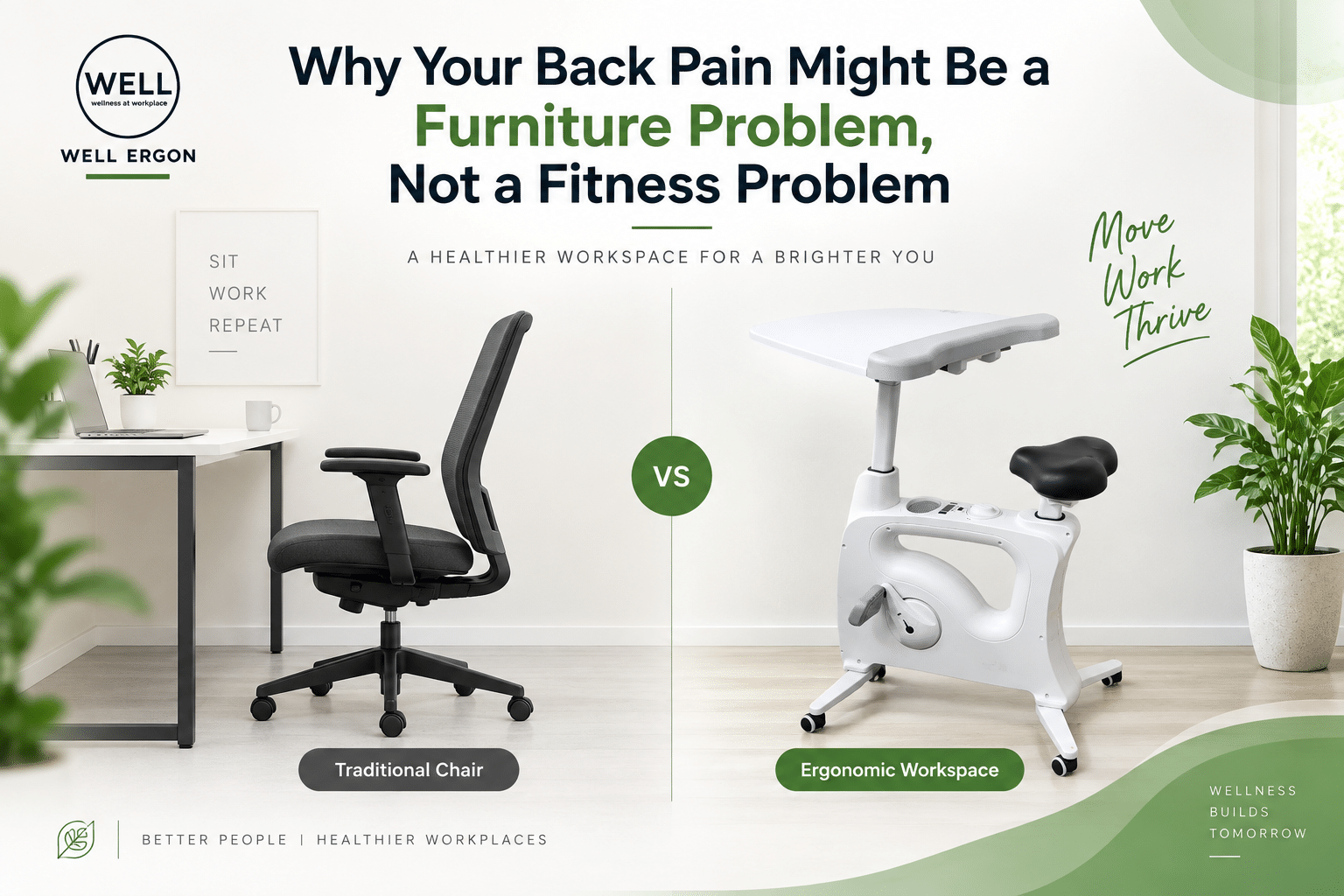
Traditional workstations generally encourage employees to remain in one position for extended periods, seated, facing a screen, with little built in reason to shift posture or get up. Over a full workday, this adds up to hours of near-total stillness, regardless of how active someone is outside of work.
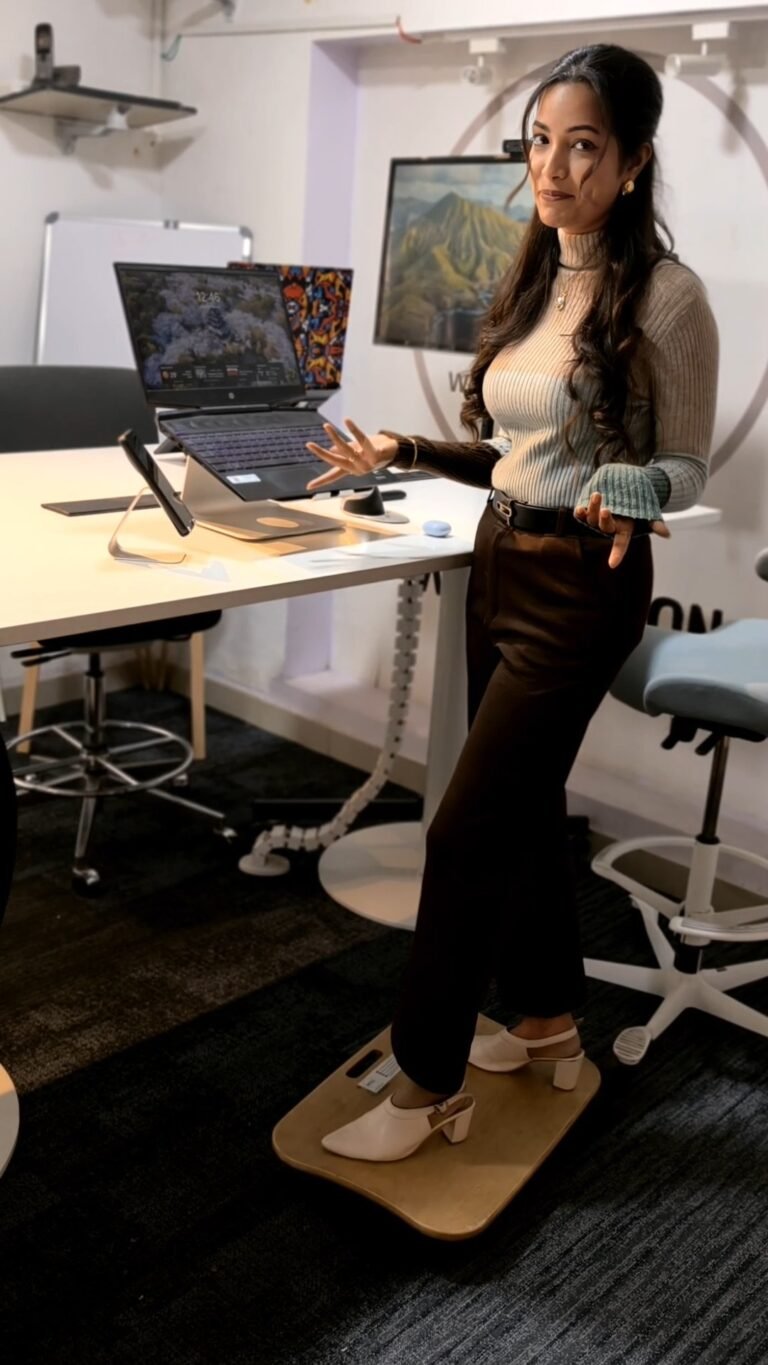
Making Movement Part of the Workspace
Rather than asking employees to find additional time for exercise, organizations can introduce opportunities for light movement throughout the working day itself. This can take several forms:
- Active workstations
- Desk exercise bikes
- Cycle stations
- Walking areas
- Structured movement breaks
- Dedicated wellness zones
Wellergon’s wellness furniture range is built specifically around this idea, with categories including cycle stations, walk stations, desk exercise bikes and related wellness accessories, tools designed to fit into the workday rather than compete with it.
3. Move: Build More Movement Into the Workday
Why Workplace Movement Matters
Introducing more movement into the workday isn’t about replacing exercise, it’s about addressing what happens between workouts, during the hours employees are actually at their desks. Practical goals include:
- Breaking up prolonged periods of sitting
- Encouraging employees to move more regularly throughout the day
- Making physical activity more accessible without leaving the workspace
- Creating natural opportunities for short, active breaks
It’s worth being measured here: workplace movement tools are a helpful part of a healthier routine, not a medical intervention or a guaranteed fix for any specific condition.
4. Desk Exercise Bikes: Movement Without Leaving the Workspace
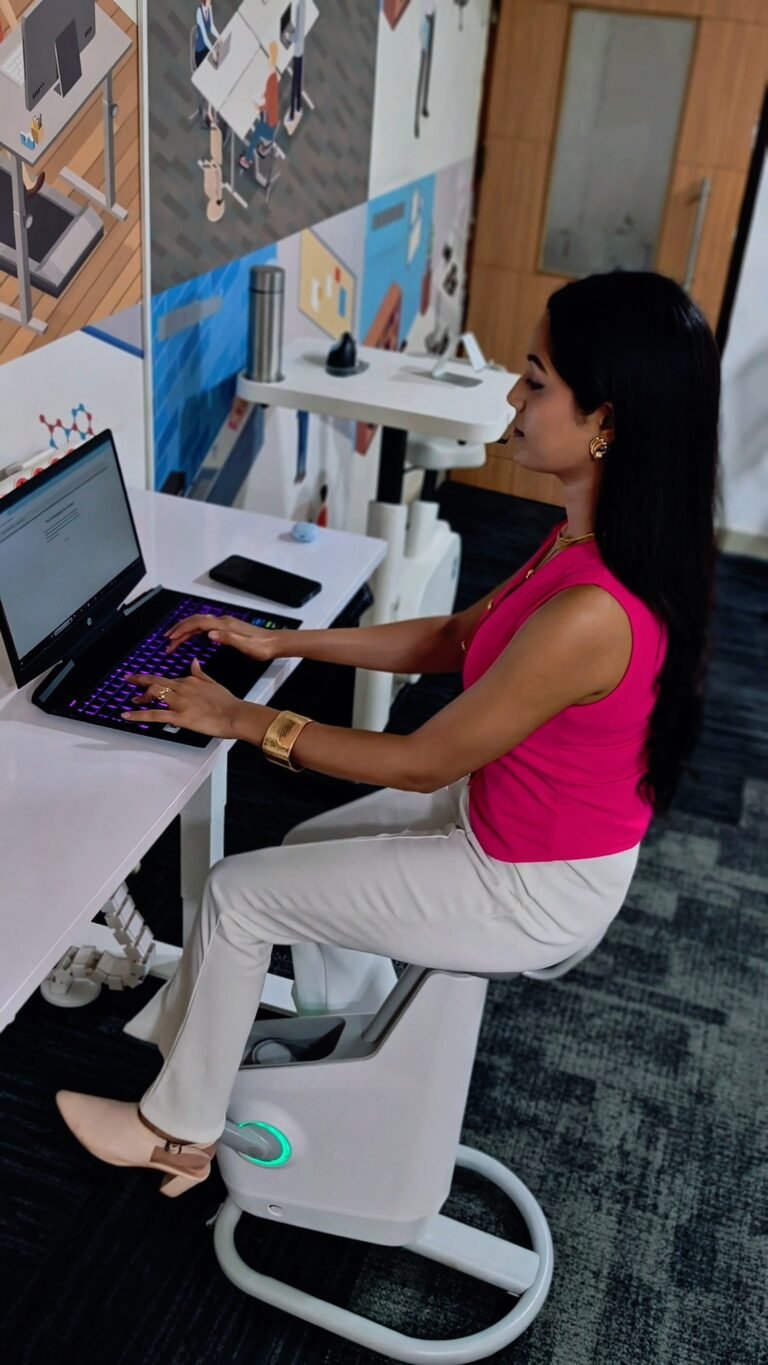
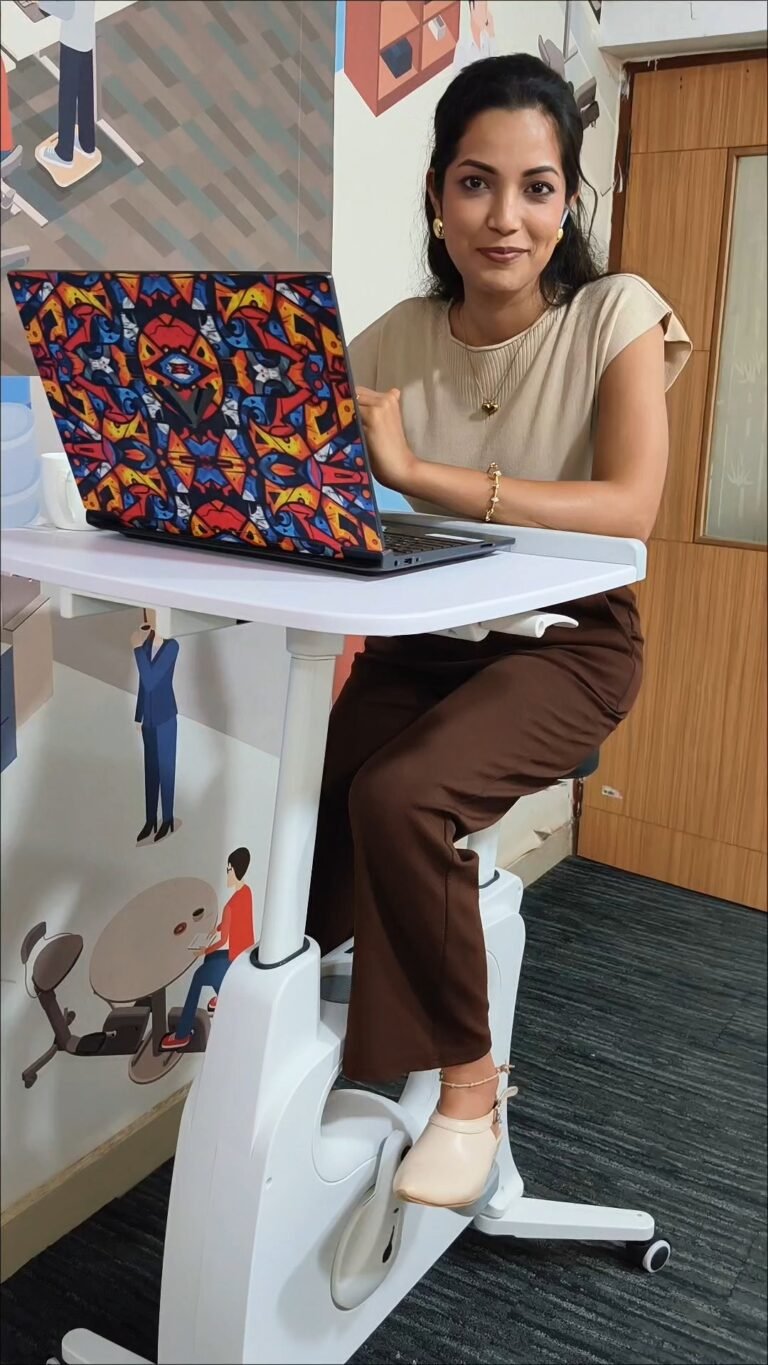
Charge Up Bike EB 10, Combining Work and Movement
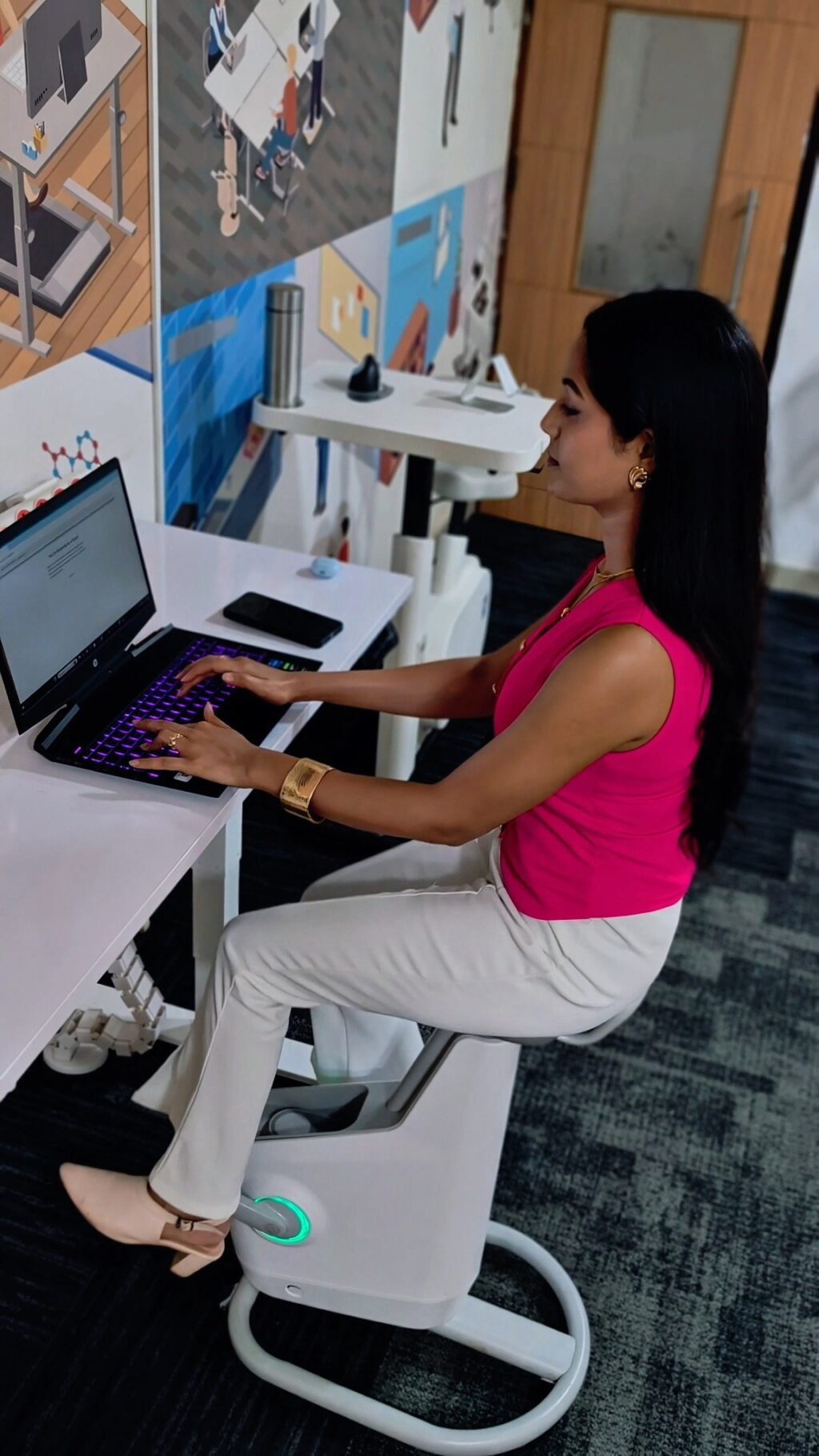
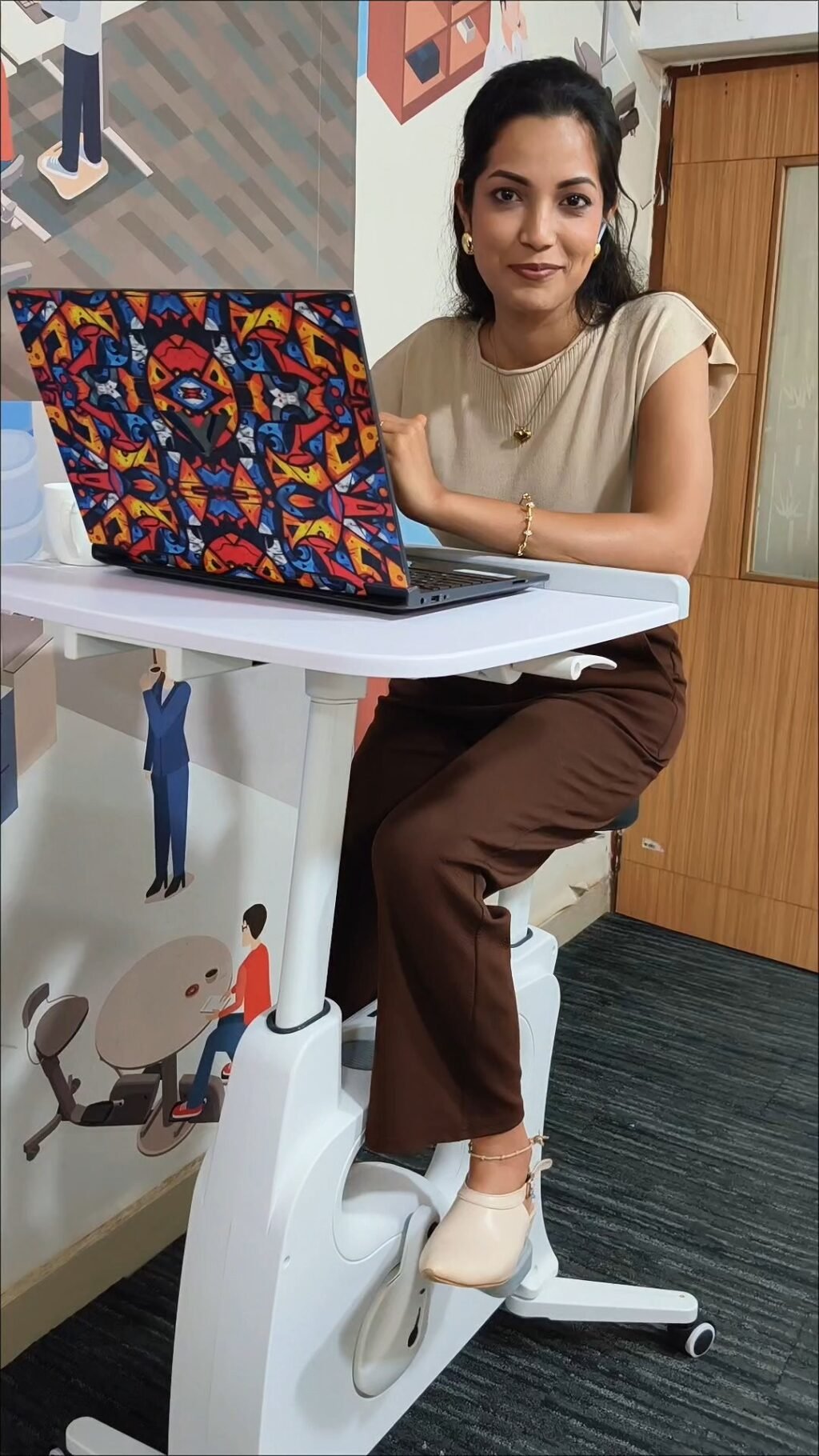
One way organizations are bringing movement directly into the workstation is through desk exercise bikes like the Charge Up Bike EB-10. Based on Wellergon’s product information, it combines:
- Desk based exercise while working
- An adjustable workstation setup
- Kinetic electricity generation while pedaling
- Device charging capability
- LCD activity tracking
- A compact design suited to individual workspaces
The underlying idea is simple: what if movement could become part of the workstation itself, rather than something entirely separate from work?
This type of setup can fit into several environments:
- Individual workstations
- Shared wellness areas
- Flexible, hot desk style workspaces
- Hybrid work environments, including home offices
5. Create Dedicated Movement Zones
Cycle Stations for Shared Wellness Areas
For organizations looking to move beyond individual workstations, dedicated shared spaces are the next step. The Cycle Station EB is described in Wellergon published information as a workplace cycling machine featuring an ergonomic seat and backrest, oversized pedals and a smooth, quiet Eddy current braking system, built for shared, recurring use rather than a single desk.
Possible placements include:
- Employee wellness zones
- Breakout areas
- Recreation spaces
- Corporate wellness rooms
- General common areas
Why Dedicated Zones Can Encourage Participation
The goal isn’t necessarily to turn the office into a gym. A dedicated zone simply makes wellness visible, accessible and optional, something employees can use when it fits their day, without needing a formal program or a scheduled class.
6. Move Without Leaving Your Desk
Under Desk Charge Up Bike
For workspaces where a full cycle station or standalone bike setup isn’t practical, the Under Desk Charge Up Bike offers a different approach. According to Wellergon’s product information, it’s designed to be used while working, and incorporates kinetic energy generation, device charging, app based tracking, and quiet operation, all while tucked beneath an existing desk.
When an Under Desk Solution Makes Sense
This format tends to suit:
- Individual workstations with limited floor space
- Home offices
- Smaller offices without room for dedicated zones
- Shared desks in hot-desking environments
- Flexible or hybrid workspaces
This creates a useful way to think about the three movement options together:
| Product | Best Fit |
|---|---|
| Cycle Station EB 03 | Dedicated shared wellness space |
| Charge Up Bike EB 10 | Individual active workstation |
| Under Desk Charge Up Bike | Movement at an existing desk, minimal footprint |
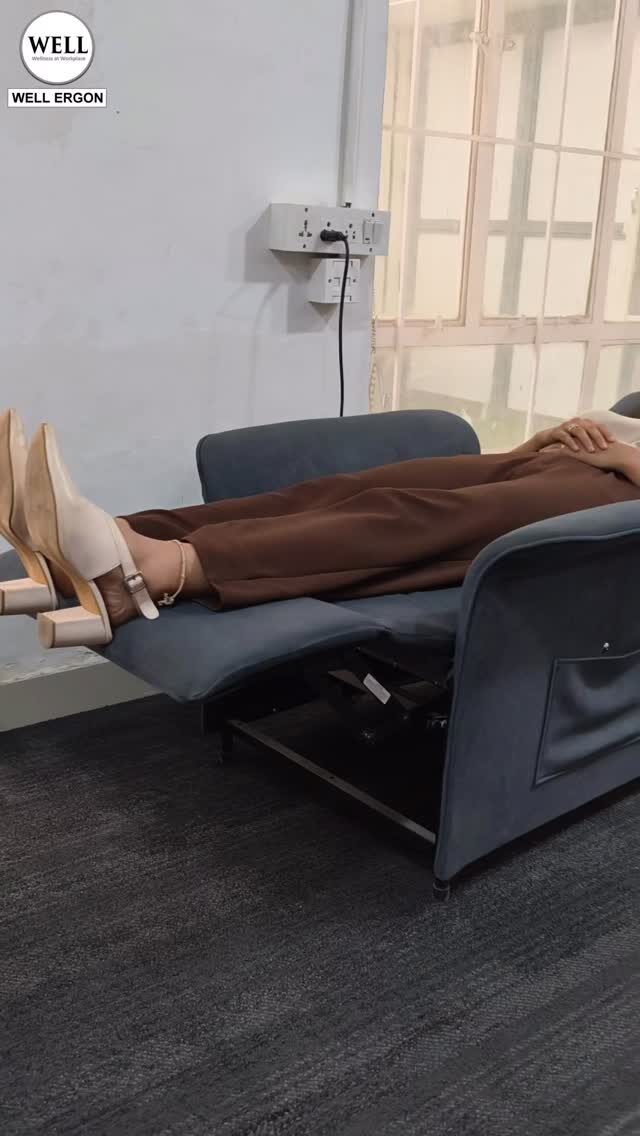
7. Recover: Wellness Isn’t Only About Exercise
Why Recovery Belongs in Workplace Wellness
Movement is only one part of the picture. Recovery matters just as much, creating real opportunities for employees to:
- Take meaningful, uninterrupted breaks
- Change posture and position
- Step away from screens
- Relax between demanding tasks
- Reset mentally before returning to work
Create Spaces That Encourage Employees to Pause
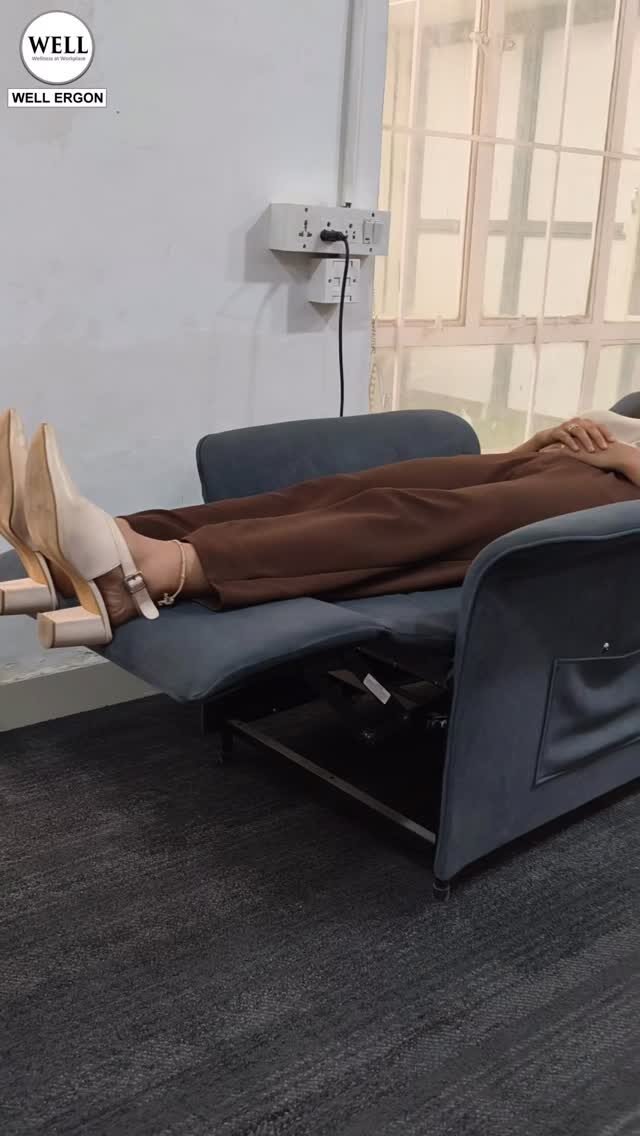
A workplace recovery zone doesn’t need to be elaborate. It can include:
- Comfortable seating
- Quiet, low traffic areas
- Dedicated relaxation spaces
- Wellness rooms
- Low stimulation environments, away from screens and noise
The key message here: a workplace shouldn’t push employees to move constantly. It should help them find a healthier rhythm between activity and recovery.
8. Recharge: Physical Energy + Mental Reset
What Does Recharge Mean at Work?
Recharging goes beyond physical rest. It includes:
- Mental breaks
- Social connection with colleagues
- Short bursts of movement
- Changing physical environments
- Time away from screens
- Returning to work genuinely refreshed, not just paused
Designing Micro Recovery Moments
Small, structured moments can support this rhythm, for example:
- A 5-minute movement break before 25 minutes of focused work
- A short walk before returning to the desk
- A brief cycling session as a mental reset
- A quiet pause before heading into a meeting
These are examples organizations can adapt to their own teams and schedules, not universal prescriptions that will suit every employee equally.
9. Designing a Workplace Around Move, Recover & Recharge
A simple framework can help translate these ideas into physical space planning:
ZONE 1 – MOVE Purpose: Encourage physical activity Possible solutions: Charge Up Bike EB 10, Cycle Station EB-03, Under Desk Charge Up Bike, walking areas
ZONE 2 – RECOVER Purpose: Give employees space to pause Possible solutions: Relaxation area, comfortable seating, quiet zone, wellness room
ZONE 3 – RECHARGE Purpose: Support mental and social reset Possible solutions: Breakout spaces, social wellness areas, flexible seating, screen free spaces
10. How to Integrate Wellness Into an Existing Office
Step 1: Identify Sedentary Hotspots Look at where employees are sitting for the longest, most uninterrupted stretches of time.
Step 2: Map Available Space Consider corners, breakout areas, underused rooms, open spaces and individual workstations that could be repurposed.
Step 3: Decide Between Individual & Shared Solutions
| Workplace Need | Possible Approach |
|---|---|
| Individual movement | Under-desk bike |
| Active workstation | Charge Up Bike EB-10 |
| Shared wellness area | Cycle Station EB-03 |
| Recovery | Quiet/recharge zone |
| Larger wellness program | Dedicated wellness zone |
Step 4: Make Participation Voluntary Wellness spaces should support employees, not create pressure to participate.
Step 5: Gather Employee Feedback Ask directly:
- Which wellness facilities would they actually use?
- Where would they prefer them located?
- What currently prevents them from moving during work?
- What would make wellness spaces more useful to them?
11. How to Make Workplace Wellness More Inclusive
Not every employee has the same fitness level, mobility, work schedule, health needs, comfort level, or preference for exercise. A workplace wellness strategy built around a single activity will inevitably leave people out.
Instead, give employees choices across all three pillars:
- Move: cycling, walking, standing options
- Recover: quiet space, comfortable seating
- Recharge: social space, outdoor access, screen free breaks
Inclusive design isn’t an added extra, it’s what makes a wellness program actually work for a whole workforce rather than a subset of it.
12. Workplace Wellness Should Be a Culture, Not Just Furniture
Buying wellness equipment isn’t enough on its own. For a movement friendly workplace to actually take hold, organizations also need:
- Leadership participation, so wellness isn’t seen as optional or unimportant
- Employee awareness of what’s available and how to use it
- A flexible break culture that doesn’t penalize short pauses
- Basic wellness education
- Genuinely accessible spaces
- Regular feedback loops
- Proper maintenance of equipment
- Voluntary, pressure-free participation
This is why Wellergon’s positioning centers on workplace wellness and ergonomic solutions as a whole, rather than presenting individual products in isolation.
13. Building Your Own Move, Recover, Recharge Workplace
A practical checklist for getting started:
MOVE
- Do employees have opportunities to change position throughout the day?
- Are active workstations available?
- Is there physical space for movement?
RECOVER
- Is there a comfortable place to take a break?
- Can employees step away from their screens easily?
RECHARGE
- Are there spaces for mental reset?
- Can employees interact and disconnect from work temporarily?
CULTURE
- Is participation voluntary?
- Do managers actively support wellness breaks?
- Are employees regularly asked for feedback?
14. How Wellergon Can Support an Active Workplace
At Wellergon, the idea of workplace wellness goes beyond conventional office furniture. Our wellness furniture solutions are designed around the different ways employees can incorporate movement and wellbeing into their work environment, from dedicated cycle stations to desk based cycling solutions.
- Charge Up Bike EB-10: for an integrated active workstation
- Cycle Station EB-03: for dedicated workplace cycling and wellness areas
- Under Desk Charge Up Bike: for bringing movement into an existing workstation
Explore workplace wellness solutions from Wellergon
15. Conclusion:
The workplace of the future doesn’t have to choose between productivity and wellbeing. It can be designed to support both.
Employees need opportunities to move, spaces to recover, and moments to recharge. Sometimes, creating a healthier workplace doesn’t require completely redesigning the office, it starts with rethinking how people experience the space they already work in.
Looking to create a more active and wellness focused workplace? Explore Wellergon’s workplace wellness solutions and discover practical ways to bring more movement into your work environment.
Frequently Asked Questions
What is an active workplace?
An active workplace is one designed to make movement easier to access during the workday, through tools like active workstations, walking areas and wellness zones, rather than requiring employees to find separate time for exercise.
How can companies encourage movement at work?
Companies can introduce active workstations, desk exercise bikes, cycle stations, and structured movement breaks, while also creating a culture where short pauses and posture changes are genuinely supported by managers.
What are workplace wellness zones?
Workplace wellness zones are dedicated areas, such as movement zones, recovery spaces, or recharge areas, designed to support employees’ physical and mental wellbeing during the workday.
Are desk exercise bikes suitable for offices?
Yes, compact desk exercise bikes are designed specifically for office use, allowing light movement while working without requiring dedicated gym space.
What is an under desk exercise bike?
An under desk exercise bike is a compact cycling device placed beneath an existing desk, allowing employees to pedal lightly while working, without needing additional floor space.
How can cycling stations be incorporated into an office?
Cycling stations are typically placed in shared areas such as breakout rooms, wellness zones, or common areas, offering a dedicated space for employees to use during breaks.
How can companies create a workplace recovery space?
A recovery space can be as simple as a quiet room with comfortable seating, away from screens and workstation noise, designed for short, restorative breaks.
What should a workplace wellness area include?
A well rounded wellness area typically includes options across movement (active workstations or cycling equipment), recovery (comfortable, quiet seating), and recharge (social or screen free space), offering employees a choice rather than a single activity.