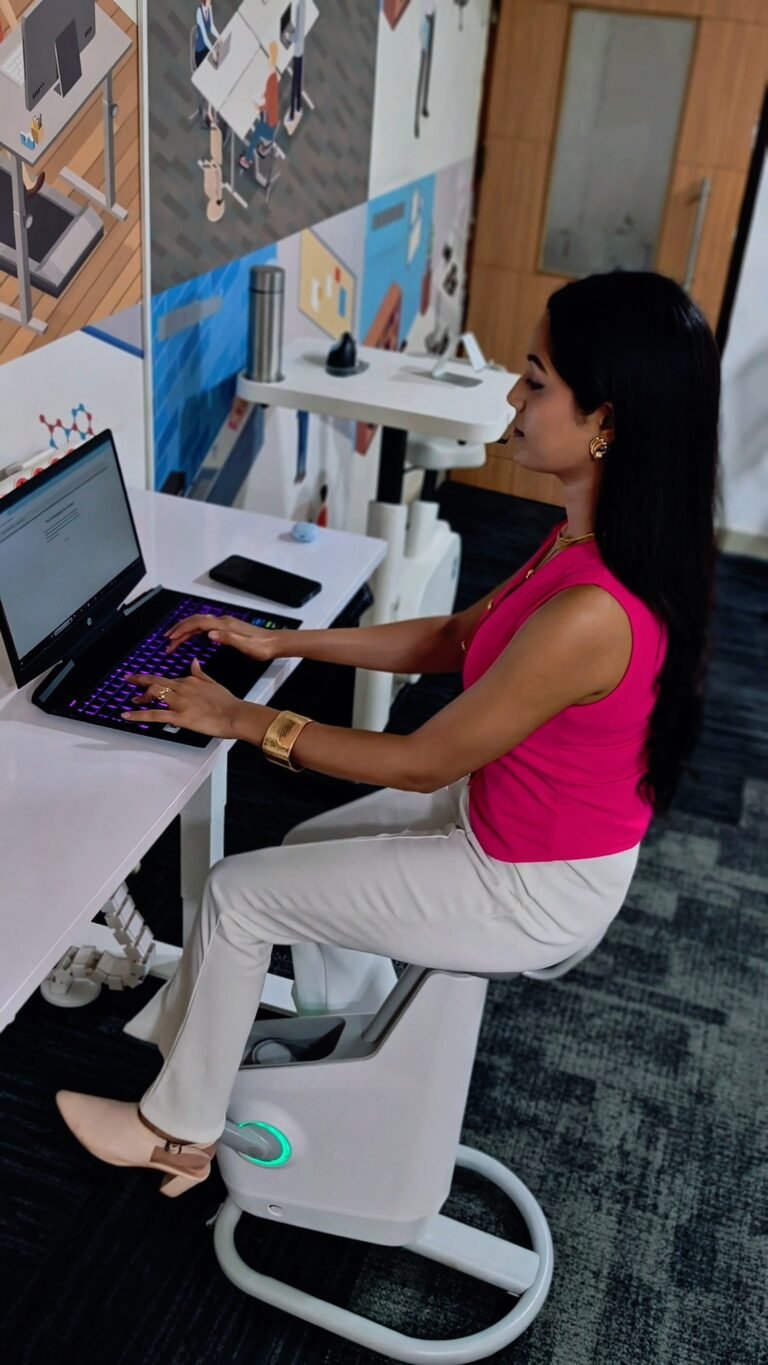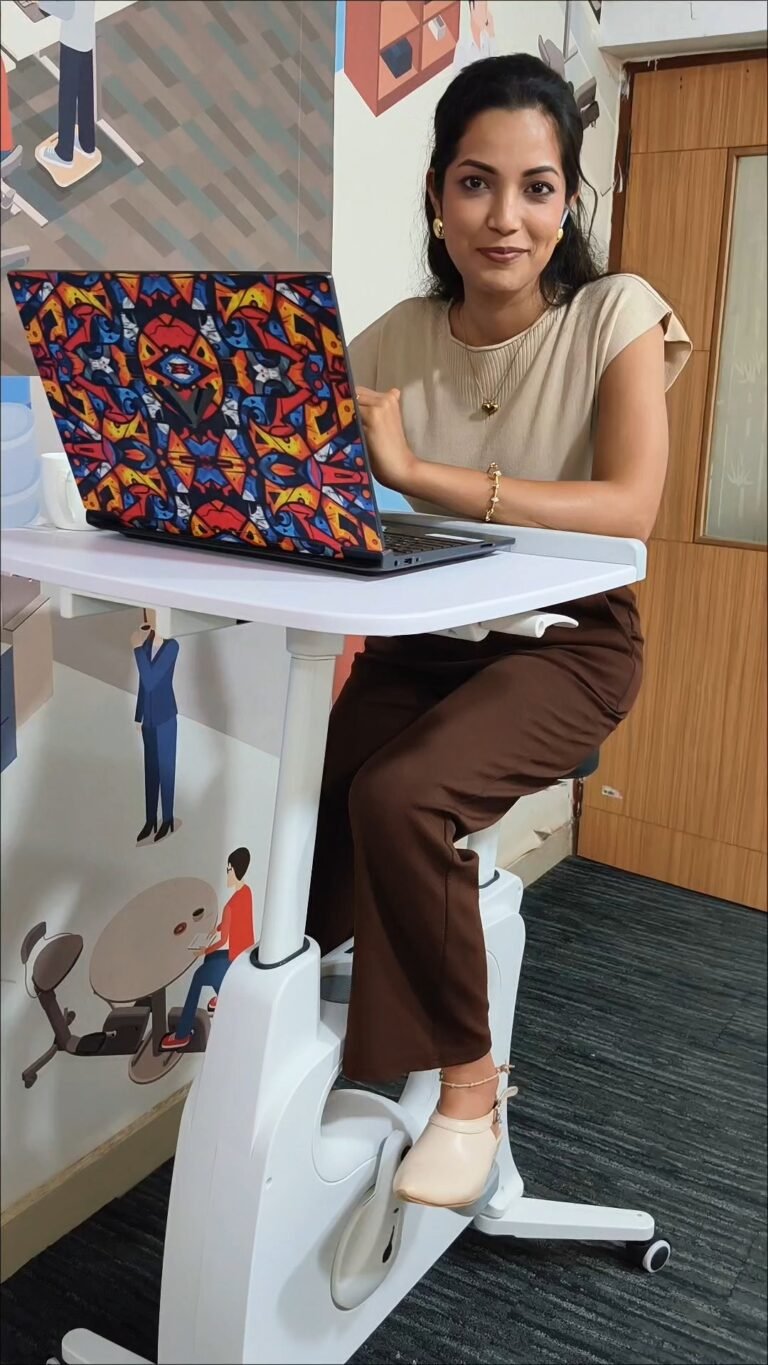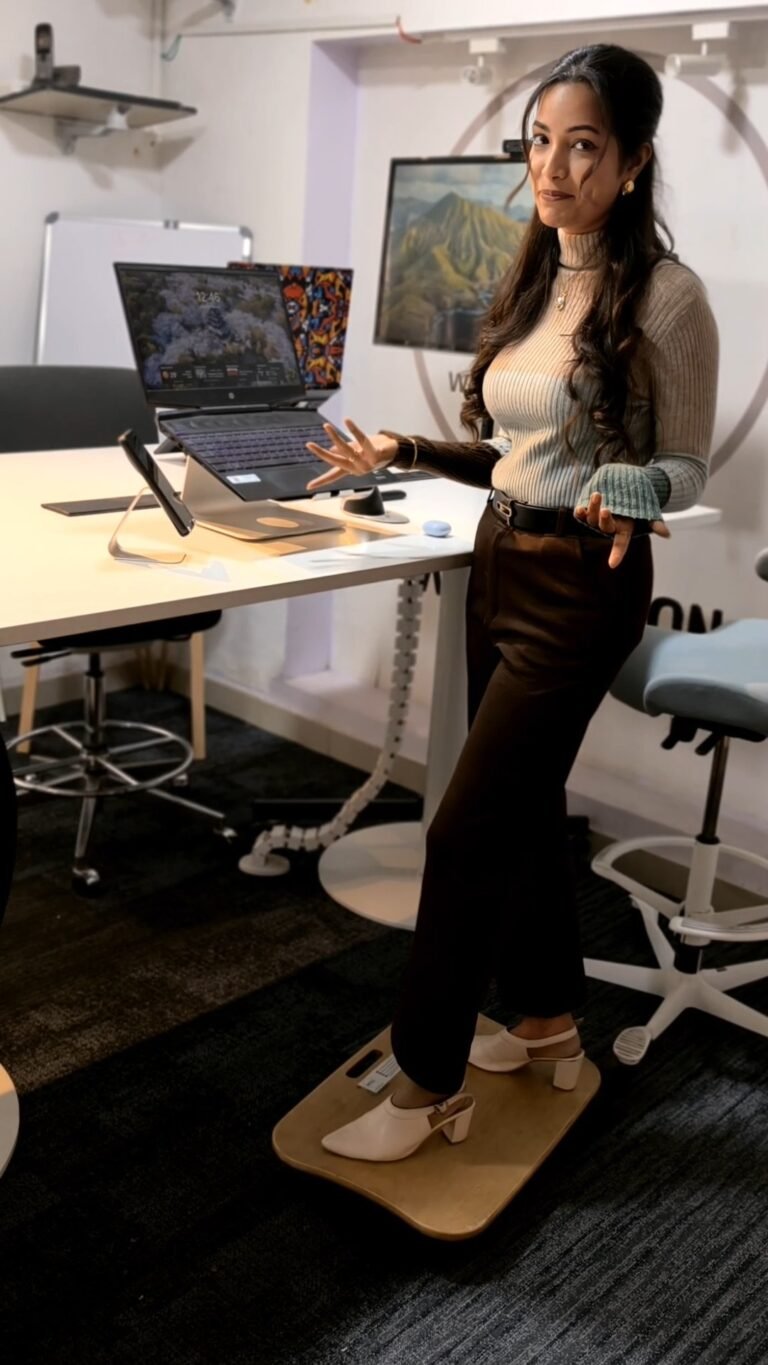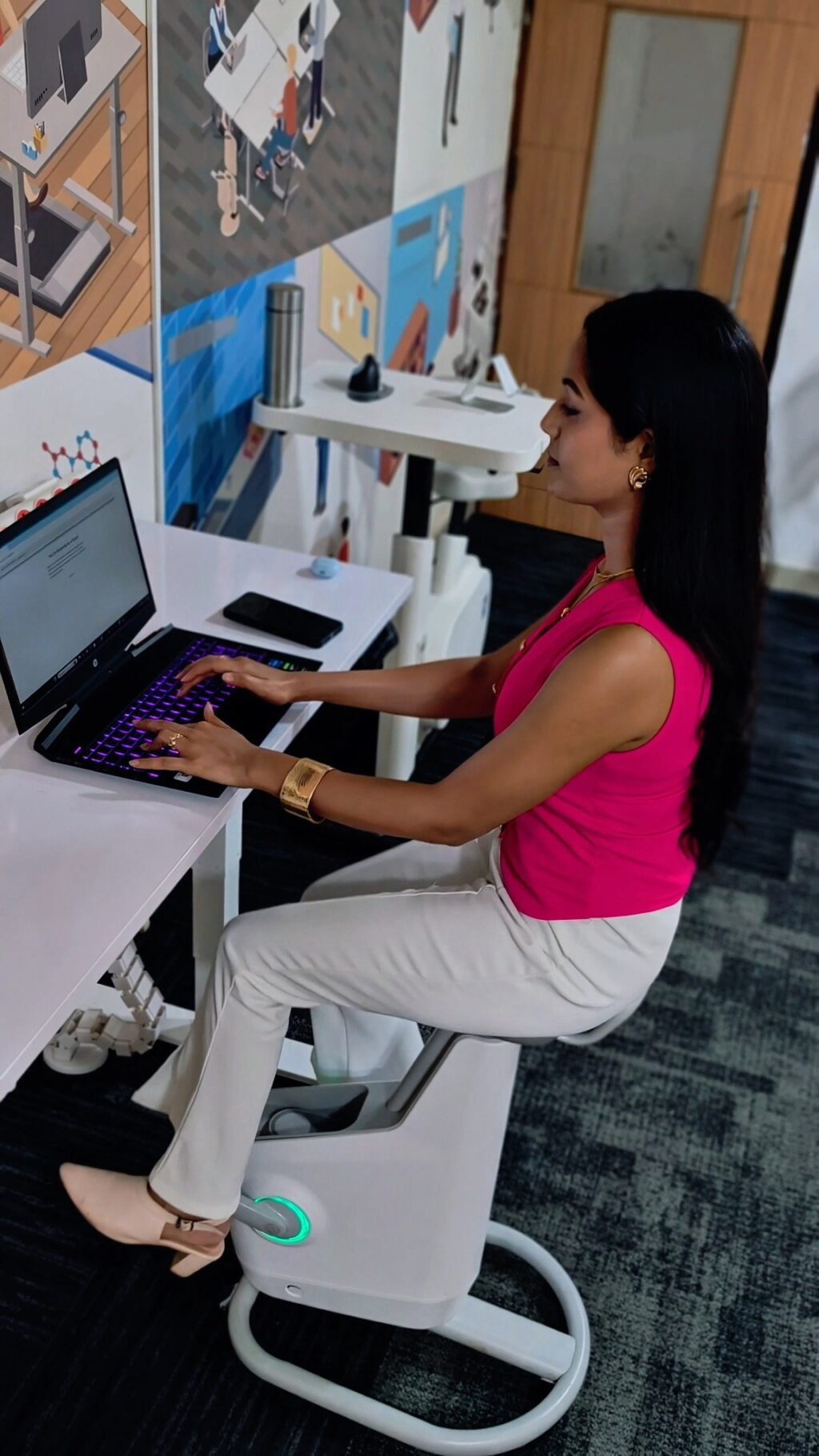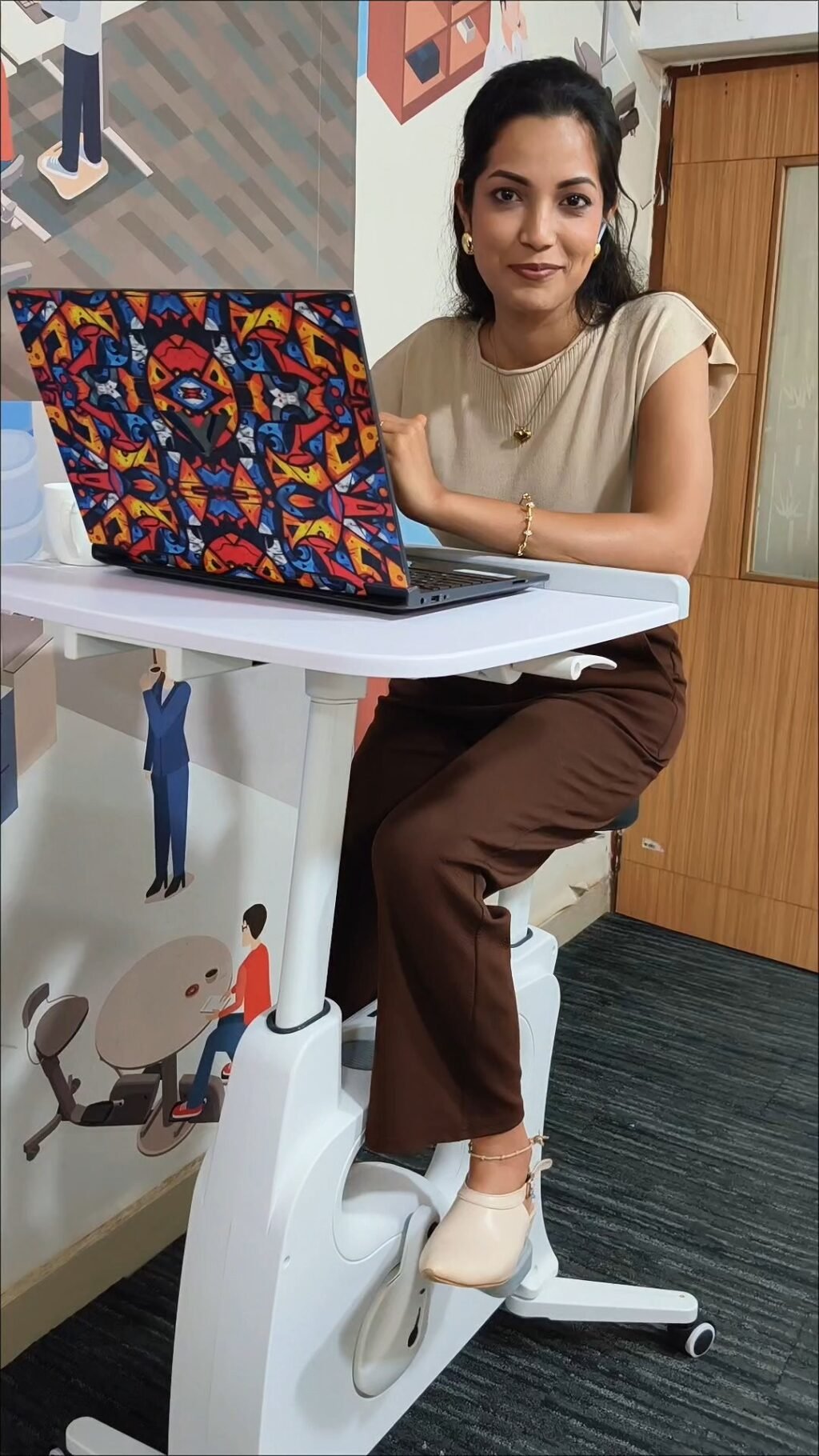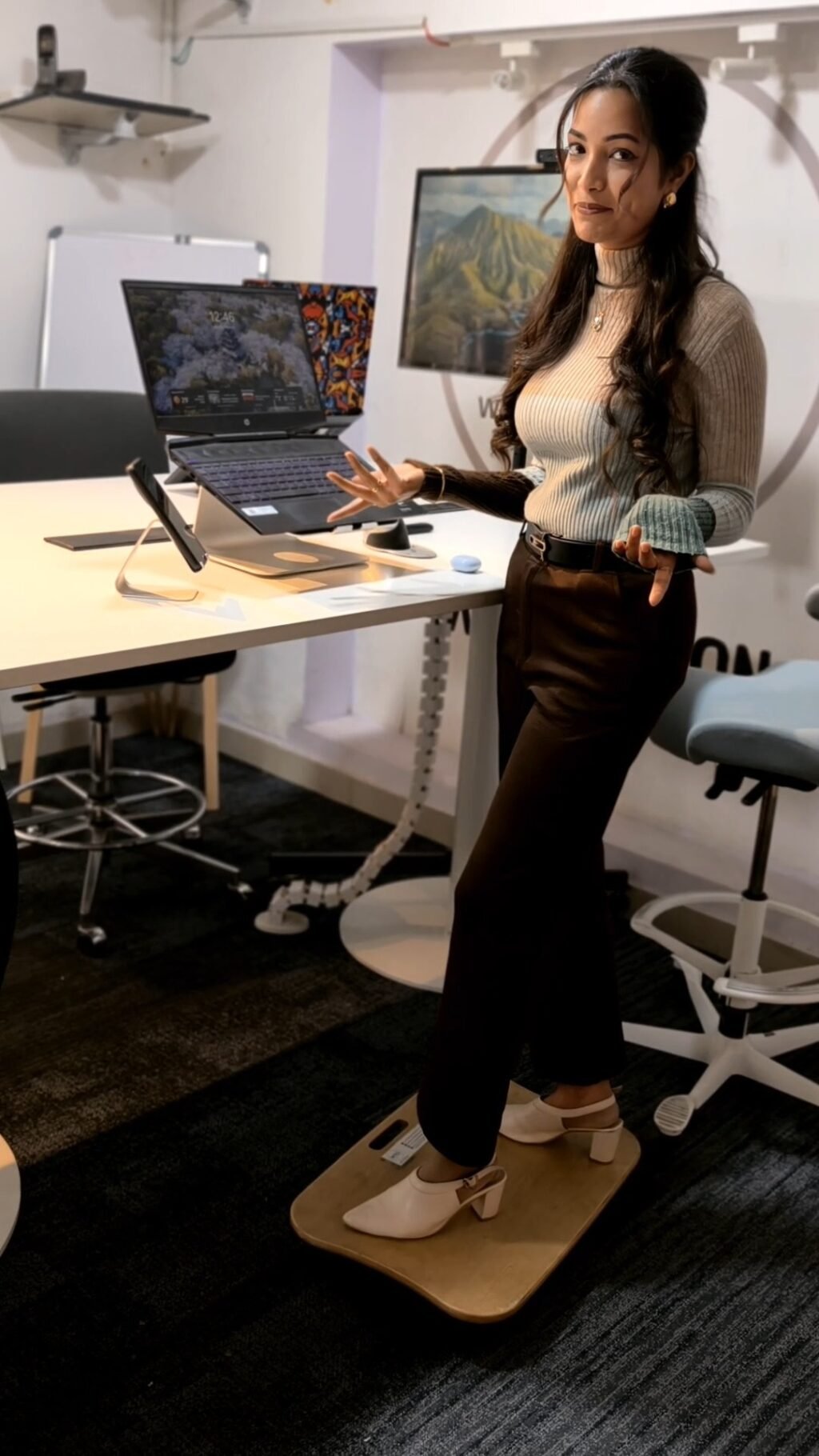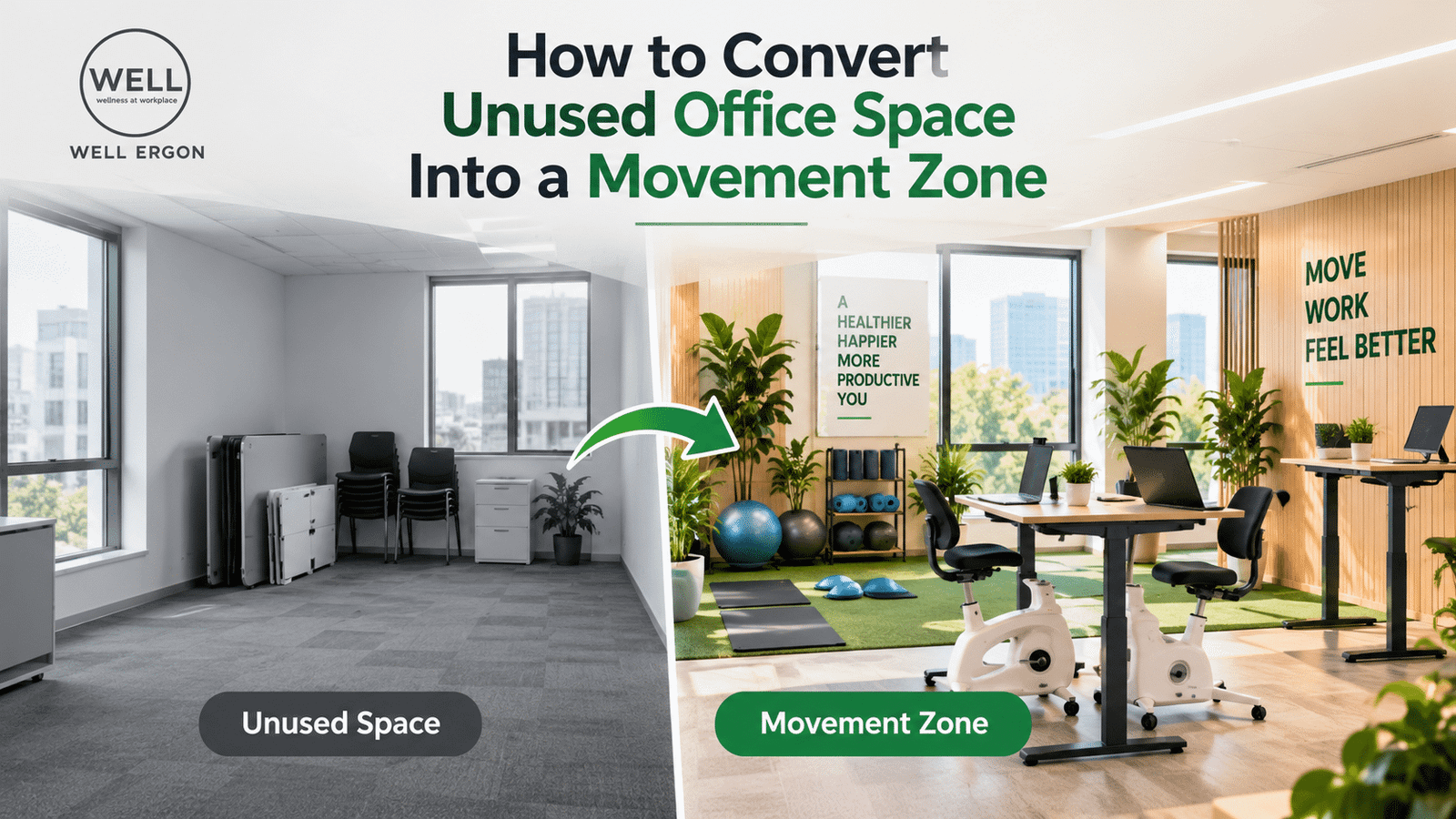
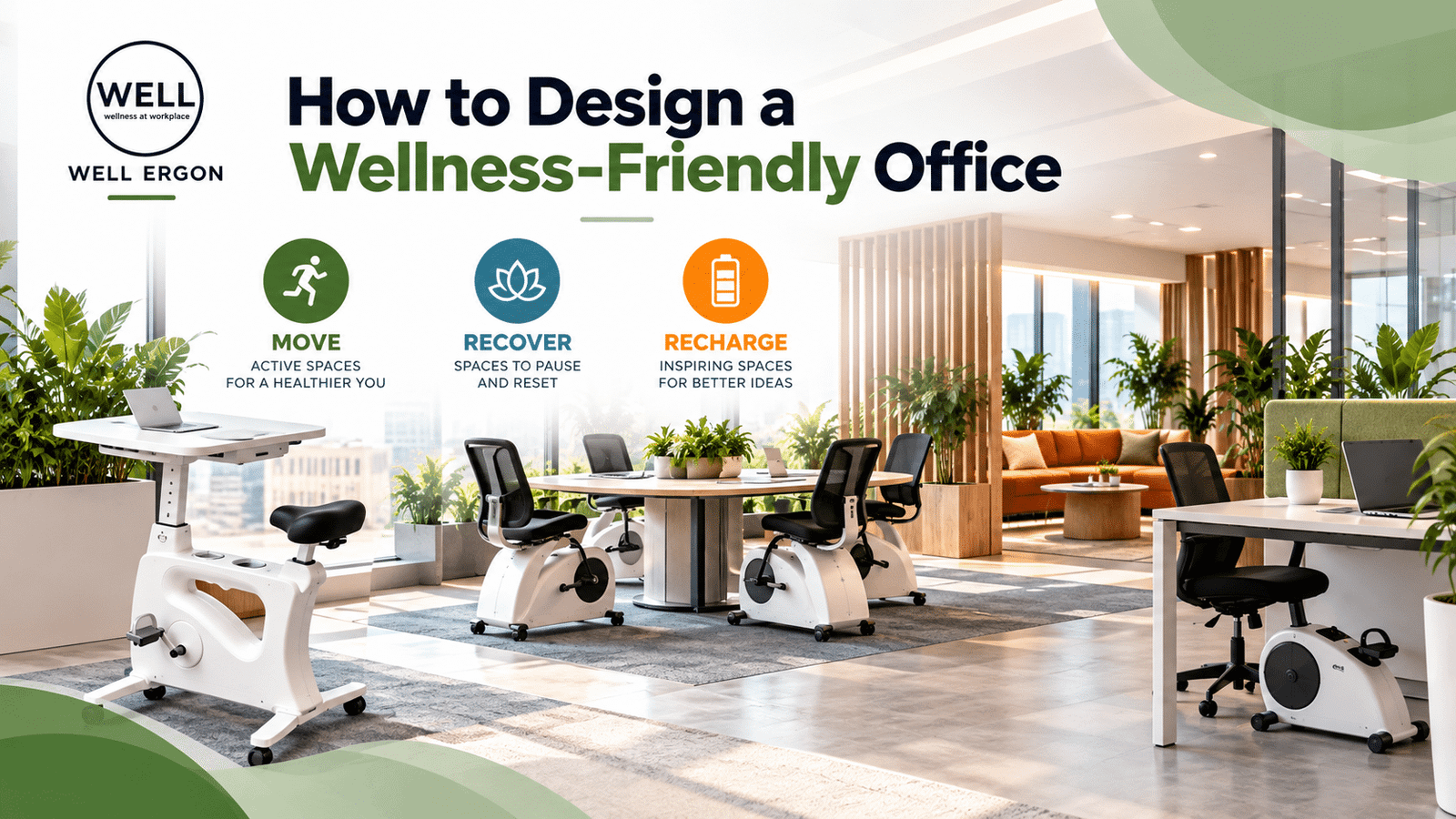
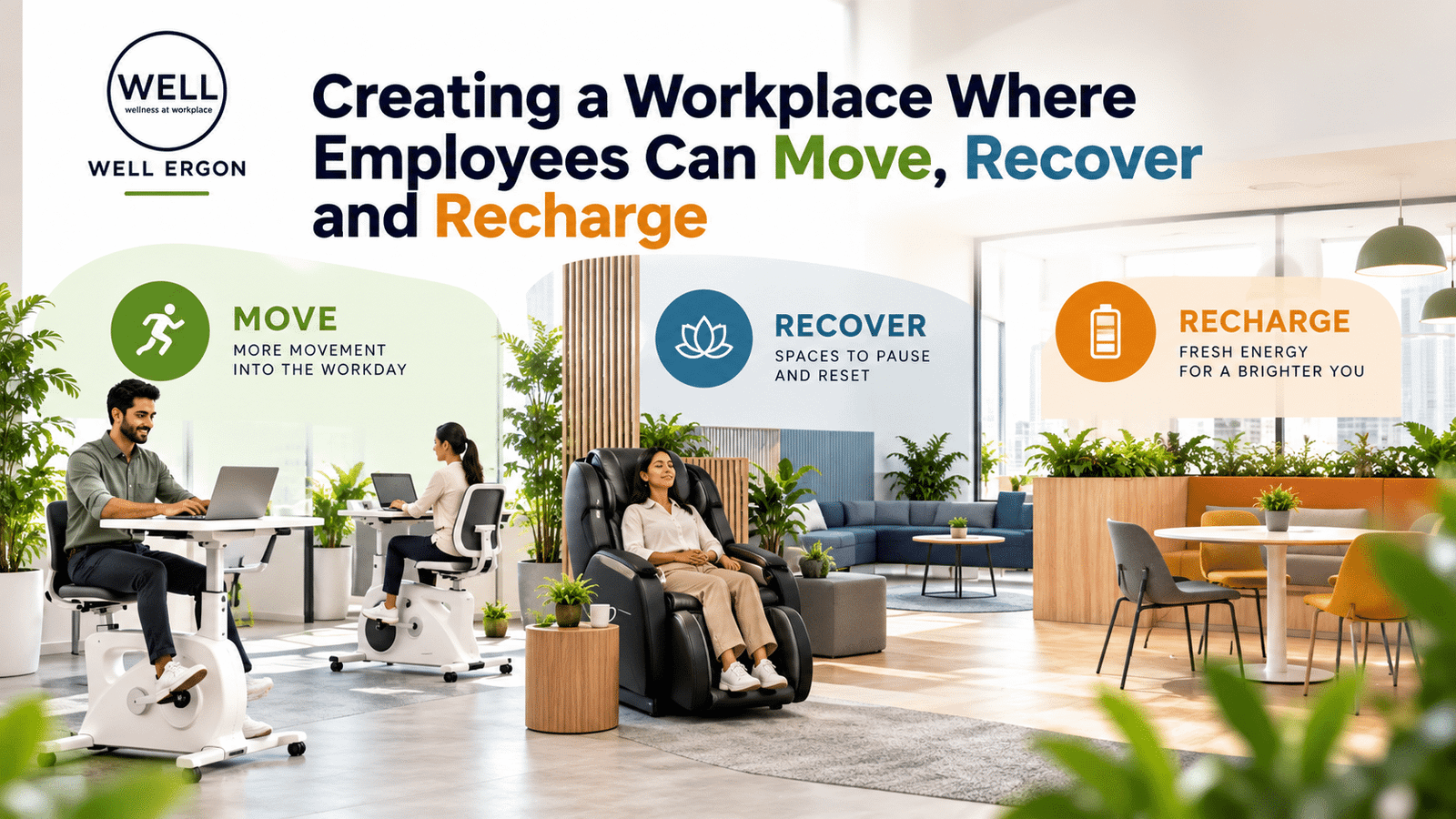
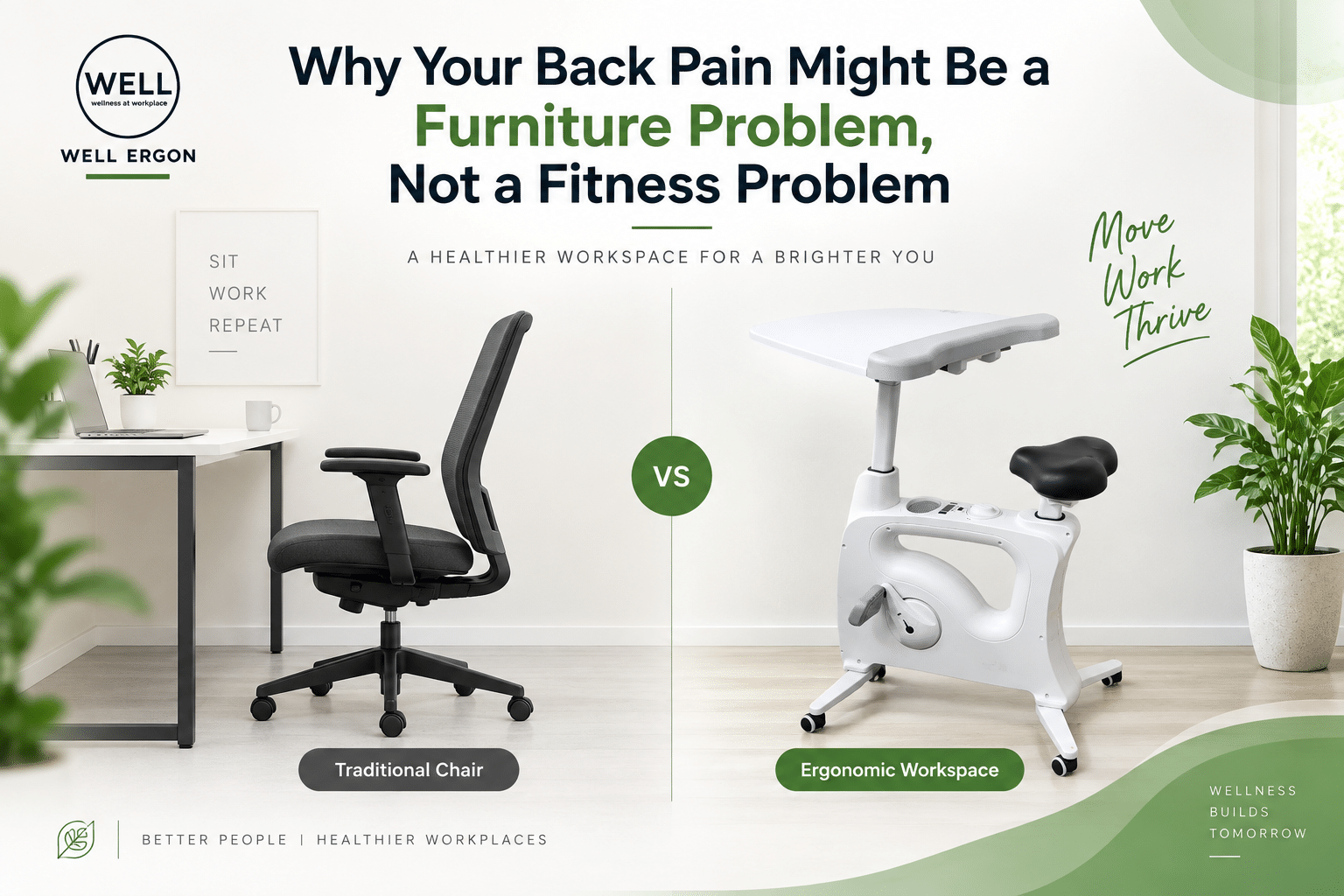
Most modern jobs keep people tied to a screen for eight hours or more a day, whether at an office desk or a home workstation. Between back to back meetings and long stretches of focused work, opportunities to move naturally disappear and sitting becomes the default state for most of the day. A desk pedal exerciser offers a simple fix, a compact, quiet device that lets you pedal gently under your desk without breaking your workflow. It’s especially useful for office employees, remote workers, students attending online classes and older adults easing back into movement. It’s worth noting that this is meant for light, incidental activity not a substitute for structured exercise or a complete fitness routine.
What Is a Desk Pedal Exerciser?
How Does a Desk Pedal Exerciser Work?
A desk pedal exerciser is a small machine with two pedals connected to a base, similar to the pedals on a bicycle. There’s no seat and no handlebars, just the pedal unit itself, which sits on the floor under your desk or table.
To use it, you simply place your feet on the pedals and start moving your legs in a circular motion, just like riding a bike. You can do this while sitting in your normal office chair, so there’s no need to change positions or stop what you’re doing on your computer. Most models also come with a resistance dial, which lets you make the pedaling easier or harder depending on how much effort you want to put in. This means you can keep it light while on a call, or increase the resistance a bit during a quieter moment in your day.
How Is It Different From a Traditional Exercise Bike?
A desk pedal exerciser is not the same as a full exercise bike and it isn’t trying to be. Here’s how it differs:
- Compact size – It’s small enough to slide under a desk and doesn’t take up much floor space, unlike a bulky exercise bike.
- No seat needed – You use your own chair, so there’s nothing extra to sit on or adjust.
- Made for light use – It’s built for gentle, low effort movement you can do alongside other tasks, not for intense cardio workouts.
In short, a pedal exerciser fits into your workday, while a traditional exercise bike usually requires setting aside dedicated time for a workout session.
Why Is Movement Important During a Sedentary Workday?
The Problem With Sitting for Long Hours
Sitting for long stretches without a break is often called sedentary behavior. When most of your workday is spent at a desk, there are fewer natural chances to get up and move around no walk to a meeting room, no trip to a colleague’s desk, sometimes not even a walk to another room. Health experts generally recommend breaking up long sitting periods regularly, since staying still for hours at a time isn’t ideal for the body.
Why Small Amounts of Movement Can Help
You don’t need an intense workout to make a difference small movements, repeated often, add up over the course of a day. The goal isn’t to replace exercise but to stay a little more active while you work. Some studies on desk pedaling have found it to be a practical, realistic way to cut down on total sitting time during the day.
Benefits of Using a Desk Pedal Exerciser
Adds More Movement to Your Workday
Instead of sitting completely still for hours, a desk pedal exerciser lets you turn part of that time into light physical activity. This is especially useful for people who spend most of their day in front of a computer with few natural breaks.
Supports Daily Calorie Expenditure
Pedaling, even gently, burns more energy than sitting still does. That said, it shouldn’t be seen as a guaranteed way to lose weight. How much of a difference it makes depends on things like how long you pedal, how much resistance you use and factors specific to your own body.
Helps Keep the Legs Moving
Staying in one position for long periods can leave your legs feeling stiff or sluggish. Moving them regularly, even in a small way, helps keep blood flowing and can make long desk sessions feel more comfortable. That said, a pedal exerciser doesn’t replace the need to stand up, stretch, or change position now and then those breaks are still important.
Can Be Convenient for Busy Professionals
One of the biggest advantages is that you don’t have to leave your desk to use it. It fits naturally into moments when you’re doing something that doesn’t need your full attention, like reading a document or listening in on a meeting.
May Support Workplace Wellness
When more people have access to simple movement tools like this, it can help build a workplace culture that values activity, not just long hours of sitting. This applies to home offices as well as traditional corporate workplaces looking to support employee wellness.
Can You Really Work While Using a Desk Pedal Exerciser?
Tasks That May Be Suitable
Pedaling tends to work well alongside tasks that don’t need your full concentration, such as:
- Reading documents
- Listening to meetings
- Watching presentations
- Answering simple emails
- Other routine, low-focus tasks
Tasks That May Require More Focus
On the other hand, some tasks are harder to combine with pedaling, including:
- Detailed writing
- Complex calculations
- Important presentations
- Any task requiring intense concentration or precise hand movements
Research on light intensity desk pedaling suggests it can fit well alongside many everyday work tasks. That said, how well it works can vary from person to person and some tasks are simply easier to combine with pedaling than others.
How to Use a Desk Pedal Exerciser Correctly
Start With a Low Resistance
If you’re new to using a pedal exerciser, it’s best to start slow. Begin with a light resistance setting and pedal for short periods at first. As your body gets used to the movement, you can gradually increase both the duration and the resistance level.
Maintain a Comfortable Sitting Position
Good posture matters just as much while pedaling as it does while sitting normally. Keep your back supported by your chair, and adjust your chair’s height and position so you can pedal comfortably without straining. It’s also worth checking that your knees have enough clearance under the desk so they don’t bump against it while moving.
Take Regular Breaks
A pedal exerciser isn’t meant to be used non-stop throughout the day. It works best as one part of a broader routine that includes standing up, walking around and stretching from time to time. Think of it as an addition to movement during your day, not a replacement for getting away from your desk entirely.
How to Choose the Right Desk Pedal Exerciser
Compact and Desk Friendly Design
Before buying, check the dimensions of the pedal exerciser and compare them to the space under your desk. You want something that fits comfortably without forcing you to sit too far back or adjust your usual working position.
Adjustable Resistance
Look for a model that offers a range of resistance levels. This way, it can work for you whether you’re just starting out or already used to regular pedaling.
Stability and Non Slip Features
A stable base is important so the machine doesn’t shift or slide while you’re using it, especially on hard flooring. Look for non slip pads or a weighted base that keeps it steady with each pedal stroke.
Pedal Comfort and Smooth Motion
Pay attention to the size and grip of the pedals, since this affects how comfortable your feet feel during longer sessions. A smooth, quiet motion is also worth checking for, so it doesn’t create distracting noise in an office or shared workspace.
Display and Tracking Features
Many pedal exercisers include a small display that tracks time, distance, speed, or rotations. These features are useful for keeping an eye on your activity, but they work best when used to encourage steady, consistent habits rather than turning movement into a competition with yourself or others.
Desk Pedal Exerciser vs. Sitting All Day
Movement
When you’re sitting still, your legs barely move for long stretches of time. A pedal exerciser changes that by introducing light, repetitive movement you can do right where you’re already sitting.
Convenience
Because the device is small and fits under your desk, you don’t need to leave your workstation or change your schedule to use it. It’s designed to slot into your existing routine rather than replace it.
Work Compatibility
How much you pedal, and how hard, should depend on what you’re working on at the time. Lighter, low focus tasks pair well with steady pedaling, while more demanding work may call for slowing down or pausing altogether.
Who Can Benefit From a Desk Pedal Exerciser?
Office Professionals
Anyone who spends long stretches of the day at a computer may find it a simple way to work in more movement.
Remote and Work From Home Employees
It fits easily into a home office setup, without needing extra space or equipment beyond what’s already at the desk.
Students and Freelancers
For those doing long study or work sessions, it offers an extra option for staying a bit more active during that time.
People Looking for Low Intensity Movement
It’s worth choosing an intensity level that matches your own comfort and fitness level, rather than assuming one setting works for everyone.
Common Mistakes to Avoid
Pedaling Too Fast
Going too fast can actually make it harder to concentrate on your work, defeating the purpose of using it alongside tasks.
Ignoring Desk and Chair Height
An awkward setup can limit your leg movement or cause discomfort, so it’s worth adjusting your chair and desk before starting.
Treating It as a Complete Workout
A pedal exerciser is a movement tool, not a substitute for strength training, walking, or other structured forms of exercise.
Forgetting to Stand and Stretch
Pedaling shouldn’t replace getting up altogether regular breaks to stand and stretch are still important.
Tips to Make Desk Pedaling a Daily Habit
Start With Short Sessions
Begin with just 10-15 minutes at a time rather than trying to pedal for hours right away.
Connect Pedaling With Specific Work Tasks
Try pairing it with routine activities, like checking emails or sitting in on a meeting, where full focus isn’t required.
Gradually Increase Consistency
The goal is steady, regular use over time, not doing too much in a single session.
Is a Desk Pedal Exerciser Worth It?
Overall, a desk pedal exerciser offers a simple, low effort way to add movement to a day that might otherwise involve hours of uninterrupted sitting. Its biggest strength is convenience it lets you stay active without stepping away from your work. That said, it works best as a complement to regular exercise and healthy daily habits, not a replacement for them. How useful it is will depend on your own comfort, work demands, and how you choose to use it. It’s also worth noting that some research on under desk cycling has found mixed results when it comes to comfort and mental performance, so it’s a tool best used thoughtfully rather than assumed to solve everything on its own.
Conclusion
Long hours at a desk don’t have to mean sitting completely still. A desk pedal exerciser offers a simple, convenient way to work light movement into an otherwise sedentary day, without stepping away from your tasks. Of course, it works best as one piece of a bigger picture pair it with regular walking, stretching, standing breaks, and structured exercise for the best results. If you’re looking to build a more active workspace, Wellergon offers practical movement solutions designed to help you stay a little more active, one small habit at a time.
Frequently Asked Questions
Can I use a desk pedal exerciser while working?
Yes, that’s exactly what it’s designed for. It works best during tasks that don’t need your full concentration, like reading, listening to a meeting, or answering routine emails. For tasks that need more focus, like detailed writing or important presentations, it’s usually better to pause pedaling.
How long should I use a desk pedal exerciser each day?
There’s no fixed rule, but it’s a good idea to start with short sessions of around 10-15 minutes and build up gradually from there. Many people find it works well to use it a few times throughout the day rather than in one long stretch.
Is a desk pedal exerciser suitable for beginners?
Yes. Most models let you start at a low resistance and increase it gradually as you get more comfortable. Beginners should start slow, pay attention to their posture, and build up duration and intensity over time.
Can desk pedaling help with weight management?
Pedaling does burn more energy than sitting still, so it can contribute to your overall activity level. However, it shouldn’t be seen as a guaranteed weight-loss method on its own results depend on factors like duration, resistance, diet, and overall lifestyle.
Is a desk pedal exerciser a replacement for regular exercise?
No. It’s a helpful way to add light movement during the day, but it isn’t a substitute for structured exercise like walking, strength training, or cardio workouts. It works best as a complement to an active lifestyle, not a replacement for it.