Most of us spend the biggest chunk of our waking hours at work and for the majority of today’s workforce, that means sitting. Between commuting, desk work, back to back meetings and screen time, the modern job has quietly become one of the most sedentary lifestyles in human history. Office workers frequently report sitting for more than three quarters of their working day, and that number keeps climbing as hybrid and remote work blur the line between at work and at home.
The irony is that we designed offices to make work easier, and in doing so, made our bodies work far less. This shift hasn’t been harmless. It has quietly reshaped how employees feel, think and perform and it’s reshaping how forward thinking organizations think about wellbeing, too.
This article looks at what the research actually says about movement at work, why it matters for both health and business outcomes and practical, evidence informed ways employers and employees can build more movement into the workday, without turning the office into a gym.
The Sedentary Workplace – How Did We Get Here?
Fifty years ago, a much larger share of jobs involved physical labor. Today, most work happens through a keyboard, a phone, or a conversation, activities that require almost no movement at all. Add long commutes, elevators, food delivery apps and video meetings and it’s possible to go an entire day without walking more than a few hundred steps.
Public health researchers have taken this seriously enough to change global guidance. The World Health Organization’s 2020 guidelines on physical activity and sedentary behaviour explicitly call out reducing sedentary time as a distinct recommendation, separate from simply getting enough exercise. Regular physical activity helps prevent and manage heart disease, type 2 diabetes and cancer, which together cause nearly three quarters of deaths worldwide and it can also ease symptoms of depression and anxiety while supporting better thinking, learning and overall wellbeing. For adults, the WHO recommends at least 150 to 300 minutes of moderate aerobic activity per week, or an equivalent amount of vigorous activity.
Yet global data shows most adults fall short. A major 2024 study by the WHO and other researchers found that more than 31% of adults, around 1.8 billion people, did not meet recommended physical activity levels in 2022, a five percentage point increase from 2010. If current trends continue, global adult inactivity is projected to rise to 35% by 2030. Work isn’t the only cause of this trend, but for people who spend eight or more hours a day at a desk, it’s a major contributor.
What the Research Says About Movement, Health and Productivity
It would be easy to assume that more sitting simply means more inactivity-related health risk and less movement means lower output. The real picture, backed by peer reviewed research, is more nuanced and in some ways more interesting for employers designing wellbeing strategies.
Sitting time alone isn’t the whole productivity story
A large cross sectional study of over 2,000 government employees in Kansas found that office workers reported strikingly high levels of sedentary time, averaging more than 78% of their workday. Interestingly, the study found that sitting time itself was not significantly associated with self-reported productivity. Instead, job satisfaction and fatigue were the stronger predictors, job satisfaction was positively associated with productivity, while fatigue was negatively associated with it. Employees with the very highest sitting levels also reported lower job satisfaction.
This is an important nuance: movement doesn’t boost productivity purely by burning calories at a desk. It appears to work indirectly too, by reducing fatigue, improving mood and increasing satisfaction with the work environment, all of which feed into how people perform.
Movement supports engagement, not just energy
A 2024 cross sectional study of Japanese workers, conducted after the shift toward remote work during the COVID-19 pandemic, examined the relationship between sedentary time and work engagement, a factor considered critical for both employee wellbeing and organizational productivity. The rise of remote and hybrid work, the researchers noted, brought new concerns about employees sitting even more than they did in traditional office settings, which is now recognized as a meaningful workplace wellbeing risk.
Redesigning the workplace to encourage movement
Not all interventions require expensive equipment or major renovations. A study on Activity Based Working (ABW), an office design approach that gives employees a variety of settings to work from (standing desks, shared tables, lounge areas, quiet zones) rather than one fixed desk, found meaningful improvements in workday sedentary time, light and moderate to vigorous physical activity, job satisfaction, and relationships with co workers among ABW participants. Employees also reported significant improvements in perceived organizational support for being active, more frequent shared lunches with colleagues and greater satisfaction with the physical work environment. Qualitatively, employees linked ABW to greater opportunities for movement and collaboration.
This tells us something valuable- environment shapes behavior. When a workplace is physically designed to make movement the path of least resistance, employees move more, without needing a formal wellness program to nudge them.
What employees themselves believe about moving at work
A 2024 qualitative study explored how sedentary office workers themselves view physical activity during the workday. The researchers noted that physical inactivity and prolonged sedentary time are well documented contributors to poor health, and that office workers are particularly at risk of conditions such as metabolic dysfunction, reduced bone density and heart disease. Despite this risk, when employees did build movement into their day, they described real, felt benefits: participants reported that moving during the workday relieved stress, sharpened focus and productivity and lifted their mood.
This matters because it shows the benefits of workplace movement aren’t abstract public health statistics, they’re things employees notice and value in the moment, which makes movement friendly policies easier to sustain over time.
Even small amounts of activity add up
Physical wellness is often described as the foundation of overall workplace wellness, and research suggests you don’t need marathon training sessions to see benefits. According to a review on workplace wellness science, moderate intensity physical activity has been shown to generate meaningful cognitive and physical resource gains that carry into the next day’s task performance and creativity, and even 20 minutes of physical activity was enough to generate resources that supported next day task performance and health. The same review points out that prolonged sedentary time can disrupt the body’s natural weight regulation mechanisms and contribute to weight gain, increased body fat and chronic low grade inflammation.
The takeaway for employers: you don’t need to convert the office into a fitness center. Short, frequent bouts of movement, a walking meeting, a stretch break, a standing huddle, can meaningfully change how employees feel and function.
Why This Matters for Employers, Not Just Employees
It’s tempting to frame workplace movement purely as a personal health issue, but the evidence above points to something broader – movement is connected to job satisfaction, engagement, fatigue, mood and collaboration, all levers that matter directly to organizational performance.
A few practical implications for HR leaders, people managers and workplace wellness teams:
1. Fatigue reduction may matter more than step counts. Since fatigue is linked to lower productivity, initiatives that reduce physical and mental fatigue, including short movement breaks, may have a more direct payoff than pushing employees toward formal fitness targets.
2. Environment design beats willpower. Activity Based Working research shows that when physical spaces make it easy and natural to move, stand and change position, employees do so, without requiring a personal commitment to exercise more.
3. Culture and permission matter. Employees in the qualitative research described real barriers and beliefs around workplace movement, including uncertainty about whether it’s appropriate to step away from a desk. Leadership modeling movement (walking meetings, standing check ins) signals that it’s not just allowed, it’s encouraged.
4. Remote and hybrid employees need explicit strategies. The shift to remote work has, if anything, increased sedentary time for many employees, since commuting, walking to meeting rooms and moving between office zones disappear. Wellbeing programs need to account for this rather than assuming home workers move just as much as office workers.
Practical Ways to Build Movement Into the Workday
Based on the research above, here are concrete, low-cost approaches organizations and individuals can adopt:
- Walking meetings. For one on ones or brainstorming sessions that don’t require a screen, take the conversation outside or around the building.
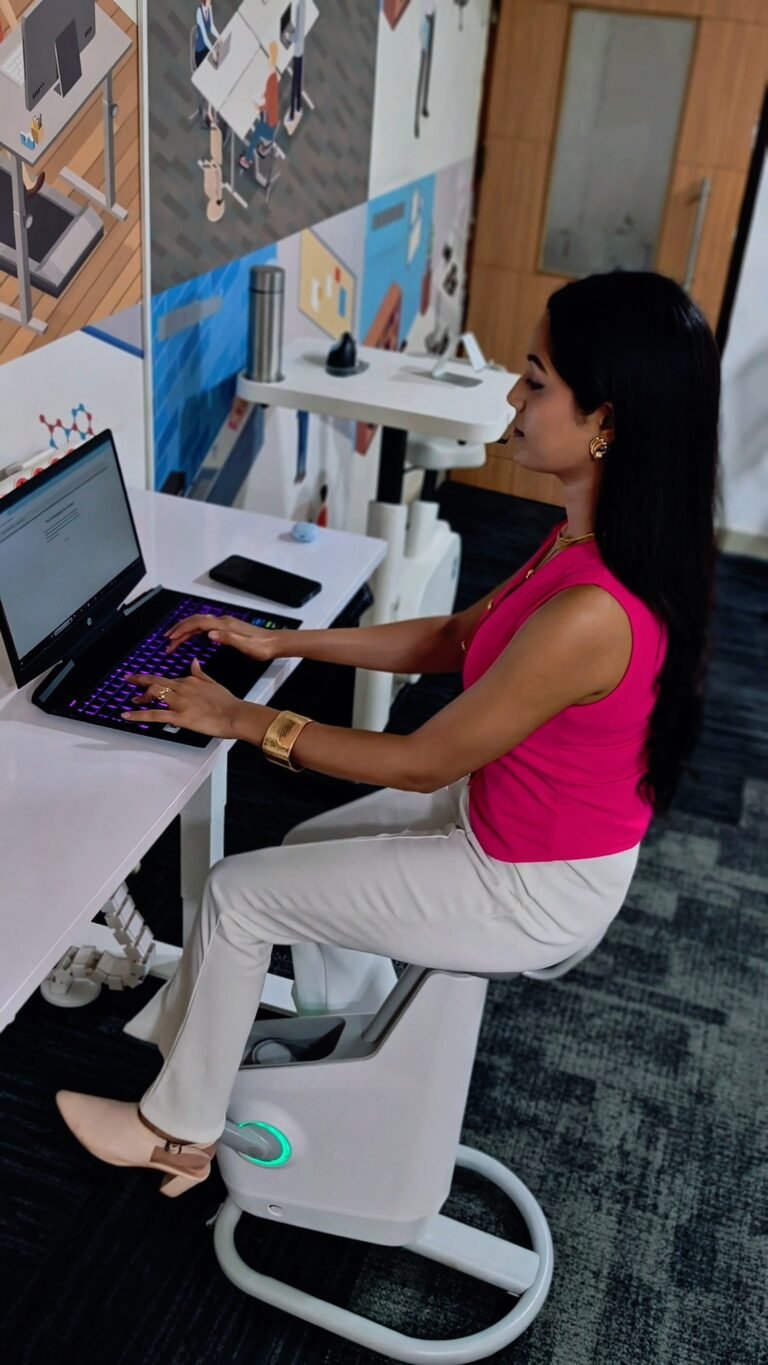
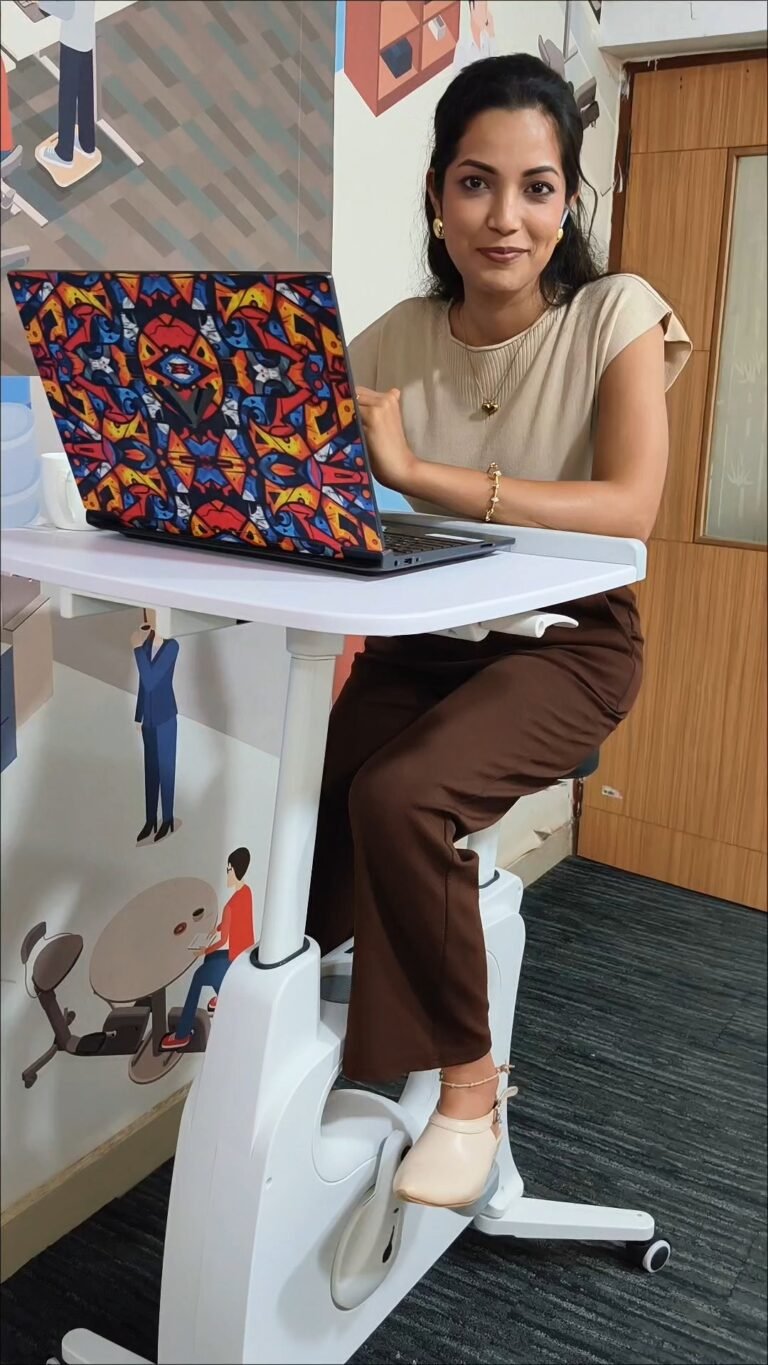
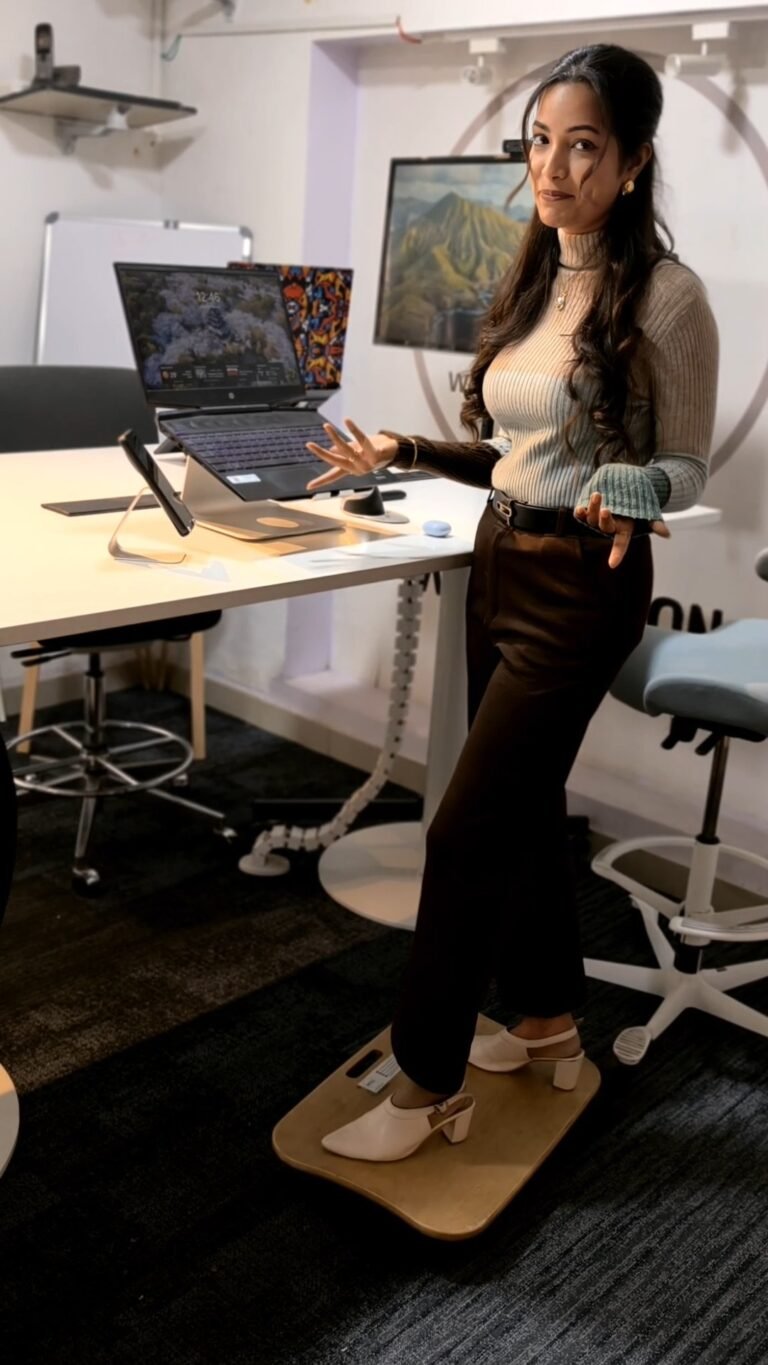
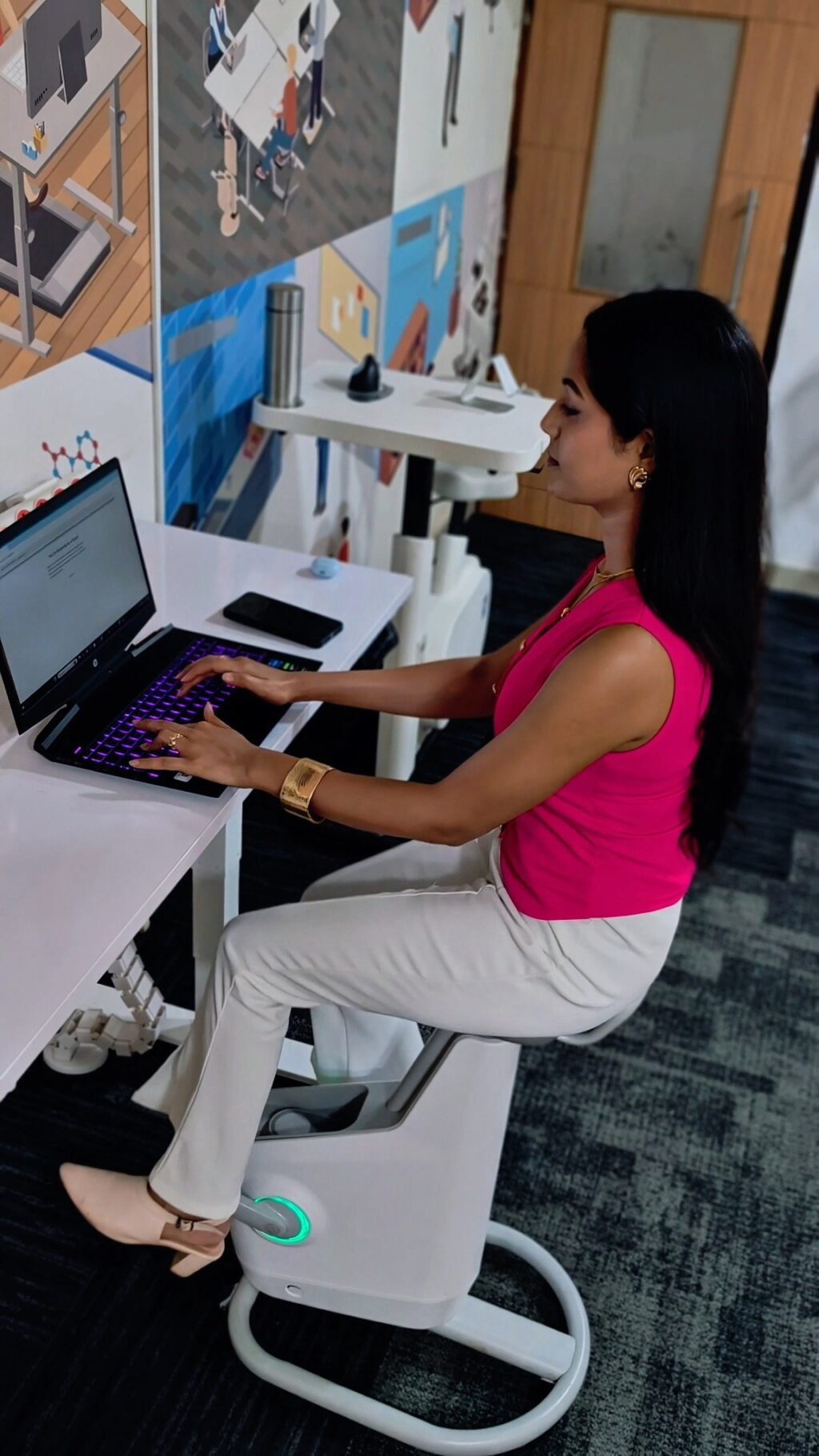
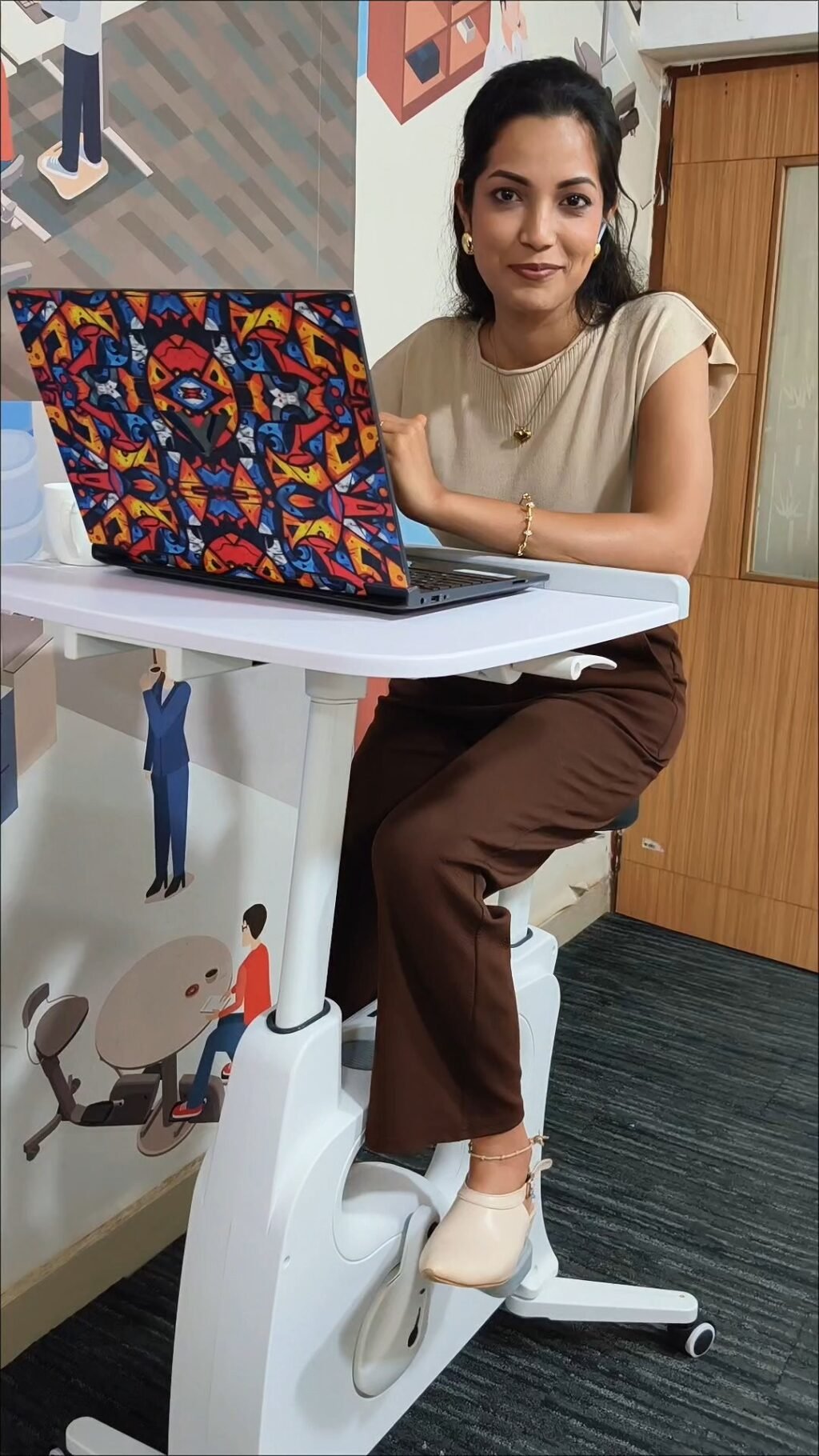
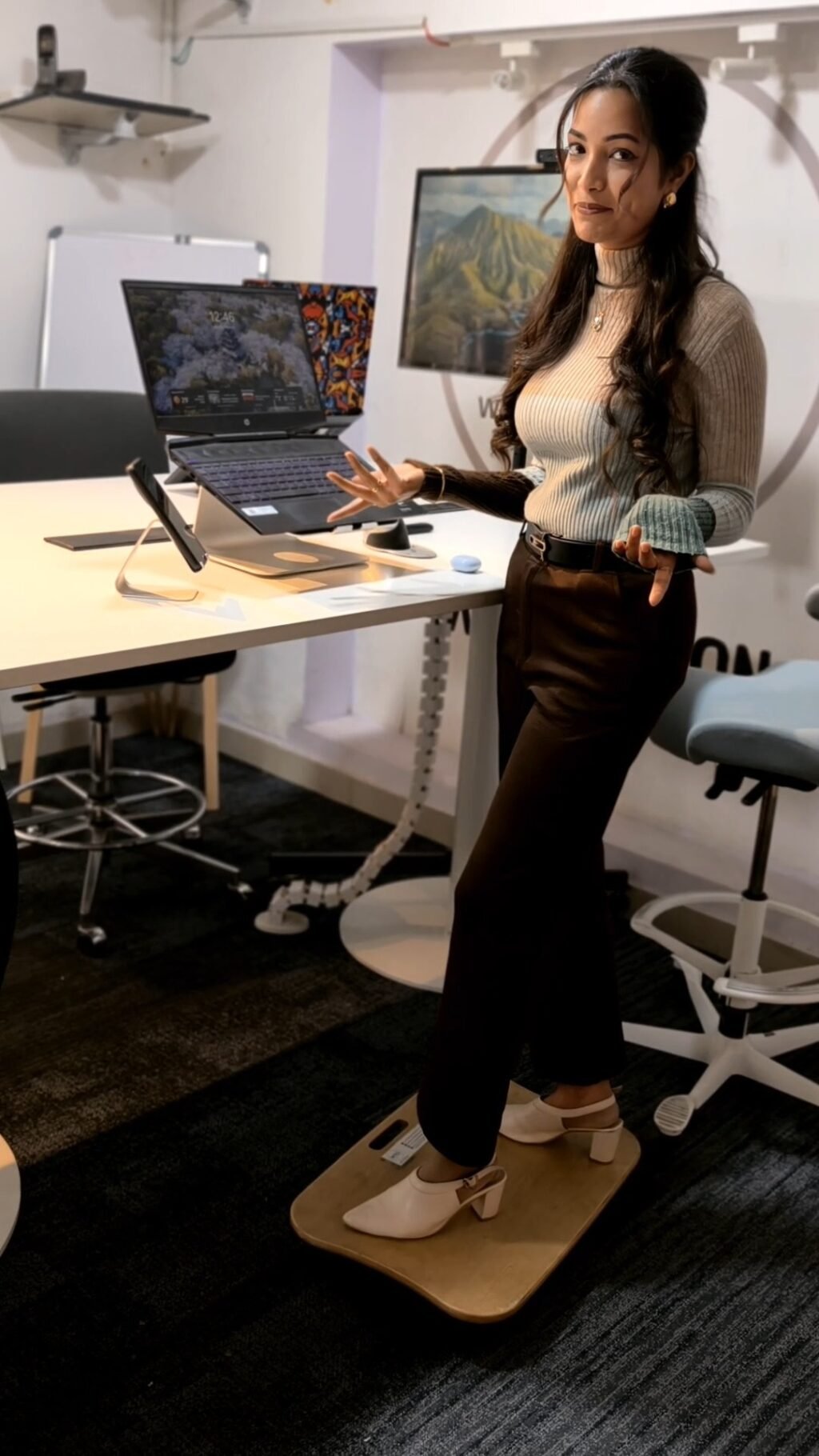
- Standing or movement friendly furniture. Adjustable desks, standing tables, or simply encouraging employees to stand during phone calls can meaningfully cut sedentary time.
- Micro breaks every 45-60 minutes. A two to five-minute stretch or short walk between focused work blocks helps offset the effects of prolonged sitting, without disrupting the workday.
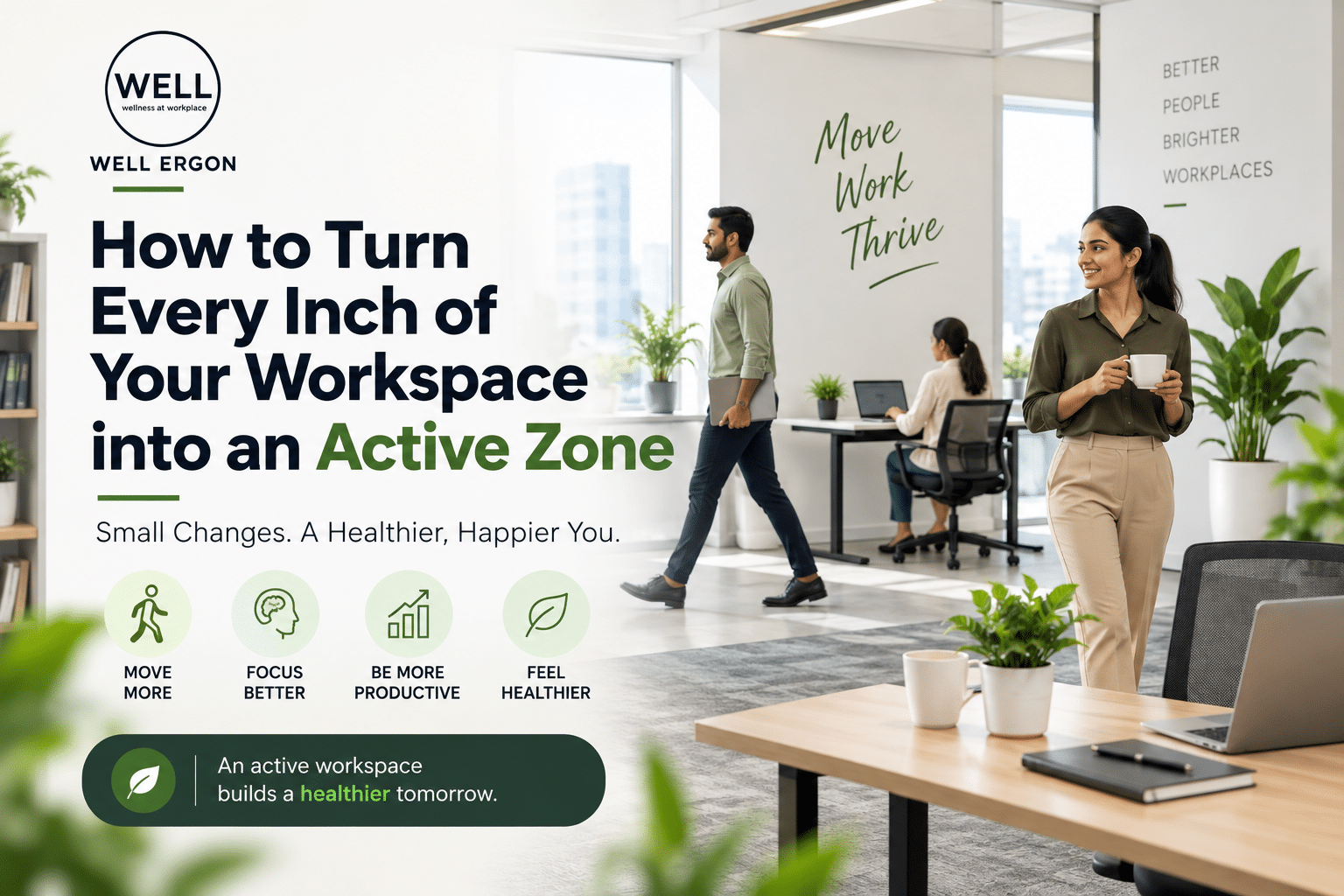
- Activity based workspaces. Where feasible, offer a mix of settings, quiet desks, standing zones, lounge areas, so employees naturally shift posture and location throughout the day.
- Movement friendly meeting norms. Default to shorter meetings, build in stretch breaks for longer sessions, and normalize standing or pacing during calls.
- Leadership visibility. When managers openly take walking breaks or stand during calls, it removes the unspoken stigma some employees feel about stepping away from their desks.
- Lunchtime movement options. Whether it’s a short group walk, an on site stretch session, or simply protecting lunch breaks from being consumed by meetings, protecting this time supports both movement and social connection, another factor linked to higher job satisfaction in the research above.
None of these require a large budget or a complete overhaul of office design. What they require is intentional permission and consistent reinforcement, treating movement as part of how work gets done, not as a break from it.
Movement as a Wellbeing Strategy, Not a Perk
The research is fairly consistent on one point – workplace movement isn’t just about physical fitness. It touches job satisfaction, fatigue, mood, focus and collaboration, the human factors that ultimately determine how engaged and effective a workforce is. Sedentary time, meanwhile, is strongly linked to physical health risks like metabolic dysfunction and heart disease, even when its direct link to day to day productivity is more complex than commonly assumed.
For organizations, this means workplace movement deserves a place in wellbeing strategy, not as an occasional wellness challenge, but as a built in feature of how the workday is designed. For employees, it’s a reminder that stepping away from the desk for a few minutes isn’t a distraction from work, it may be exactly what helps you do it well.
Small, consistent shifts, a standing call here, a short walk there, a workspace that makes movement natural, can add up to real differences in how people feel and perform at work. That’s the core idea behind building a healthier, more energized workplace: movement isn’t opposed to productivity. It’s one of the ways we get there.