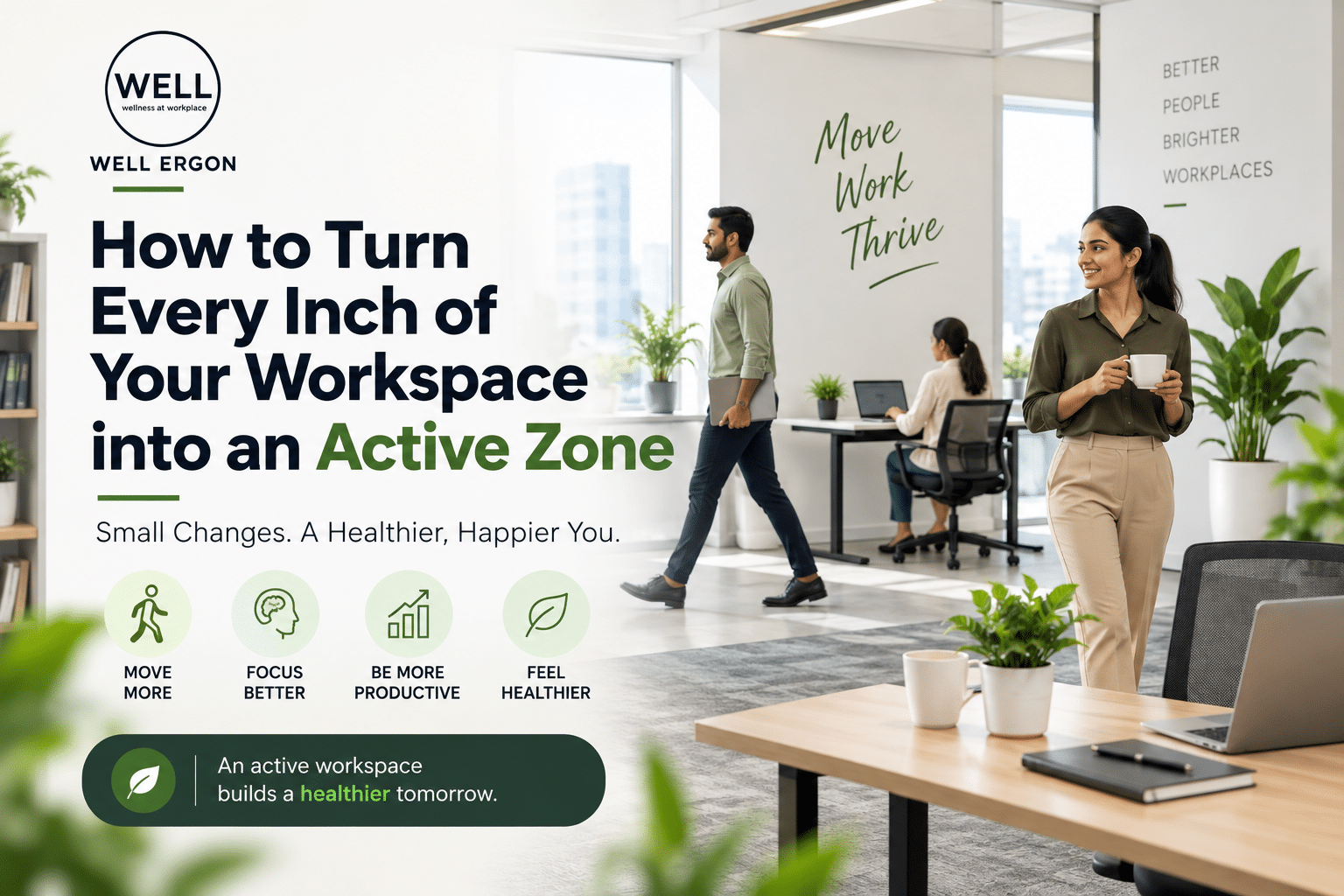
In the high octane environment of corporate India, the traditional definition of productivity is undergoing a massive shift. For decades, the formula for business success was simple – more hours at the desk equaled more output. However, as modern workplaces adapt to hybrid models, rapid digital transformation and rising workloads, this outdated math is failing.
Today, Indian professionals are facing unprecedented levels of burnout, chronic lifestyle disorders and physical fatigue. According to various industry reports, nearly 40-50% of corporate employees in India experience high to extreme stress, directly impacting their physical health and cognitive output.
True productivity is not about forcing exhausted employees to sit at a desk for 10 hours. It is an natural byproduct of a workforce that is well nourished, mentally resilient, and physically active.
This comprehensive guide explores the core triad of workplace wellness, Nourishment, Mind and Movement and details how Indian HR leaders, startup founders and business decision makers can leverage these pillars to build a highly engaged, productive and resilient workforce.
The Current State of Corporate India – Why Wellness is No Longer Optional
The Indian corporate landscape presents a unique set of challenges. Employees in metro cities like Bengaluru, Mumbai, Delhi NCR and Pune frequently navigate long, stressful commutes, fast paced work cultures and highly sedentary routines.
Historically, corporate wellness programs in India were limited to an annual health check up, a sporadic yoga session during festival weeks, or standard health insurance coverage. While these benefits are essential, they do not address the daily habits that dictate employee vitality.
Consider these realities of the modern Indian workplace:
The Sedentary Trap: The average desk worker spends between 8 to 11 hours sitting down. This physical inactivity is a primary contributor to musculoskeletal disorders (MSDs), including chronic back pain, neck strain and poor posture.
The 3 PM Slump: Most Indian pantries and cafeteria options are dominated by high sugar, high-carb snacks, such as samosas, biscuits, and heavily sweetened milk tea (chai). These cause rapid blood sugar spikes followed by severe energy crashes, tanking afternoon cognitive function.
The Burnout Stigma: While conversations around mental health are growing, many employees still hesitate to report feeling overwhelmed or anxious due to fear of professional judgment.
When employees struggle with poor physical health and chronic stress, businesses suffer from presenteeism, the state of being physically present at work but functionally disengaged and unproductive.
To combat this, forward thinking organizations are partnering with workplace wellness experts like WellErgon to design holistic, structured wellness strategies that integrate healthy habits directly into the workday.
Pillar 1: Nourishment
Food is the fuel that powers cognitive performance, focus, and emotional regulation. Yet, nutritional habits are often the first thing sacrificed in a high-pressure corporate environment.
Poor Nutrition] ──> [Blood Sugar Spikes & Crashes] ──> [Brain Fog & Fatigue] ──> [Reduced Productivity
To optimize workplace wellness, organizations must encourage a culture of mindful nourishment. This involves addressing both what employees eat and how they eat.
Upgrading the Office Pantry and Cafeteria
Many offices inadvertently set their employees up for energy crashes by stocking pantries with ultra processed foods. Replacing sugary cookies, sodas and fried snacks with nutrient dense alternatives can transform energy levels.
Smart Substitutes: Stock the pantry with roasted makhana (foxnuts), baked chickpeas, mixed unsalted nuts, fresh seasonal fruits, herbal teas and unsweetened buttermilk.
Hydration Stations: Dehydration is a primary, yet frequently overlooked, cause of afternoon fatigue, brain fog and headaches. Set up prominent hydration stations and run lighthearted office challenges to encourage water intake.
Reimagining the Lunch Break
The hurried desk lunch is a productivity killer. Eating while answering emails or responding to chat messages prevents mindful eating, leading to poor digestion and overeating.
HR teams can encourage a dedicated, screen free lunch window. Providing comfortable, inviting communal eating areas encourages social connection, allowing employees to step away from screens, rest their minds and return to their work refreshed.
Pillar 2: Mind
The human brain is not built for endless, uninterrupted focus. Prolonged mental strain without adequate recovery leads directly to decision fatigue, irritability and a sharp drop in creative problem solving.
Mental wellness in the workplace is not about eliminating stress entirely, some level of pressure is natural. Rather, it is about giving employees the tools, space and psychological safety to manage that pressure constructively.
Normalizing Mental Health Conversations
The first step toward a mentally healthy workplace is reducing the stigma around stress and mental exhaustion. When leaders openly discuss mental health and set healthy boundaries, it sends a powerful message.
Lead by Example: Managers should avoid sending non urgent emails late at night or over weekends. This establishes a clear boundary between work and personal recovery time.
Employee Assistance Programs (EAPs): Provide confidential counseling services and mental health support. Ensure employees know how to access these resources without fear of bias or exposure.
Incorporating Micro Mindfulness into the Workday
You do not need hour long meditation sessions to reset the nervous system. Implementing micro mindfulness habits can help employees regulate stress in real time:
The 2 Minute Reset: Encourage teams to take two minutes before starting a major meeting to focus on slow, deep breathing. This lowers heart rates and focuses collective attention.
Quiet Zones: Designate a quiet corner in the office where screens are prohibited, a space solely meant for quiet reflection, reading, or brief sensory rest.
Pillar 3: Movement & Ergonomics
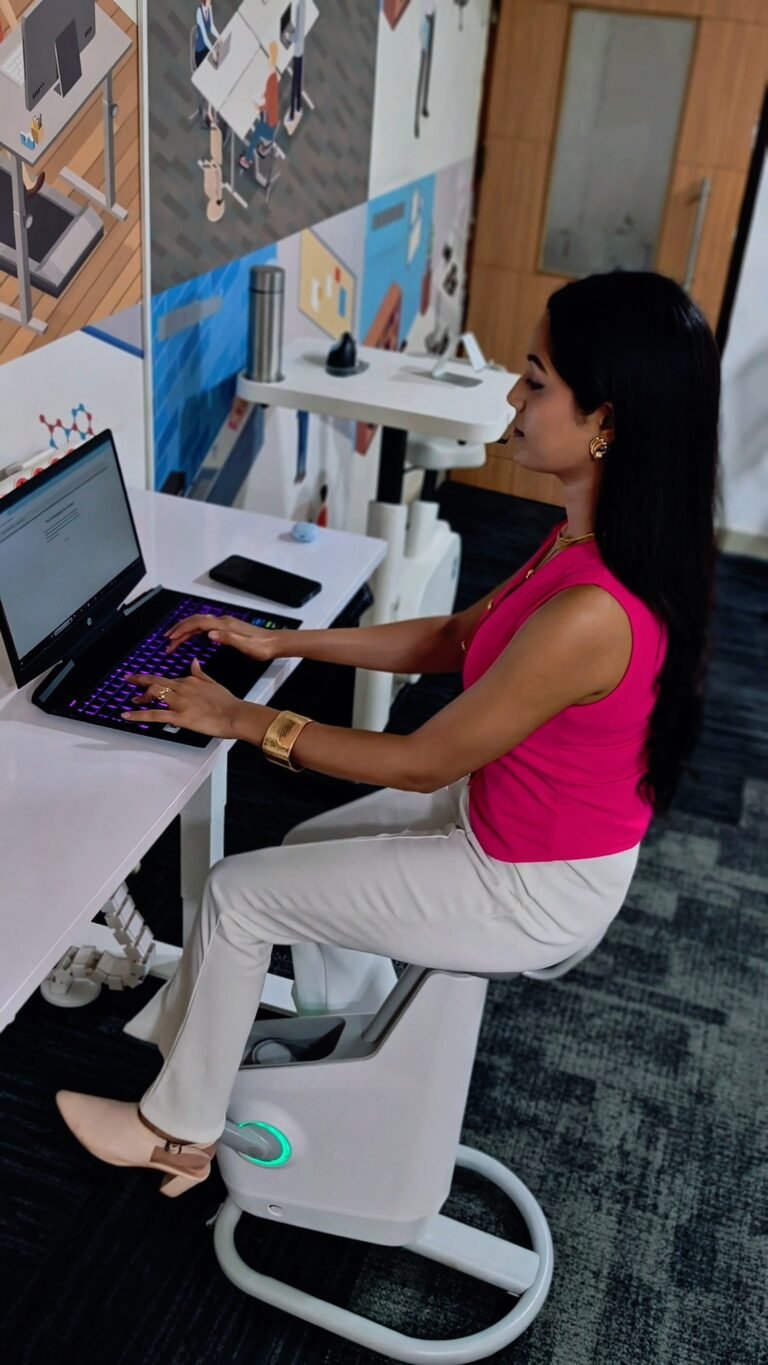
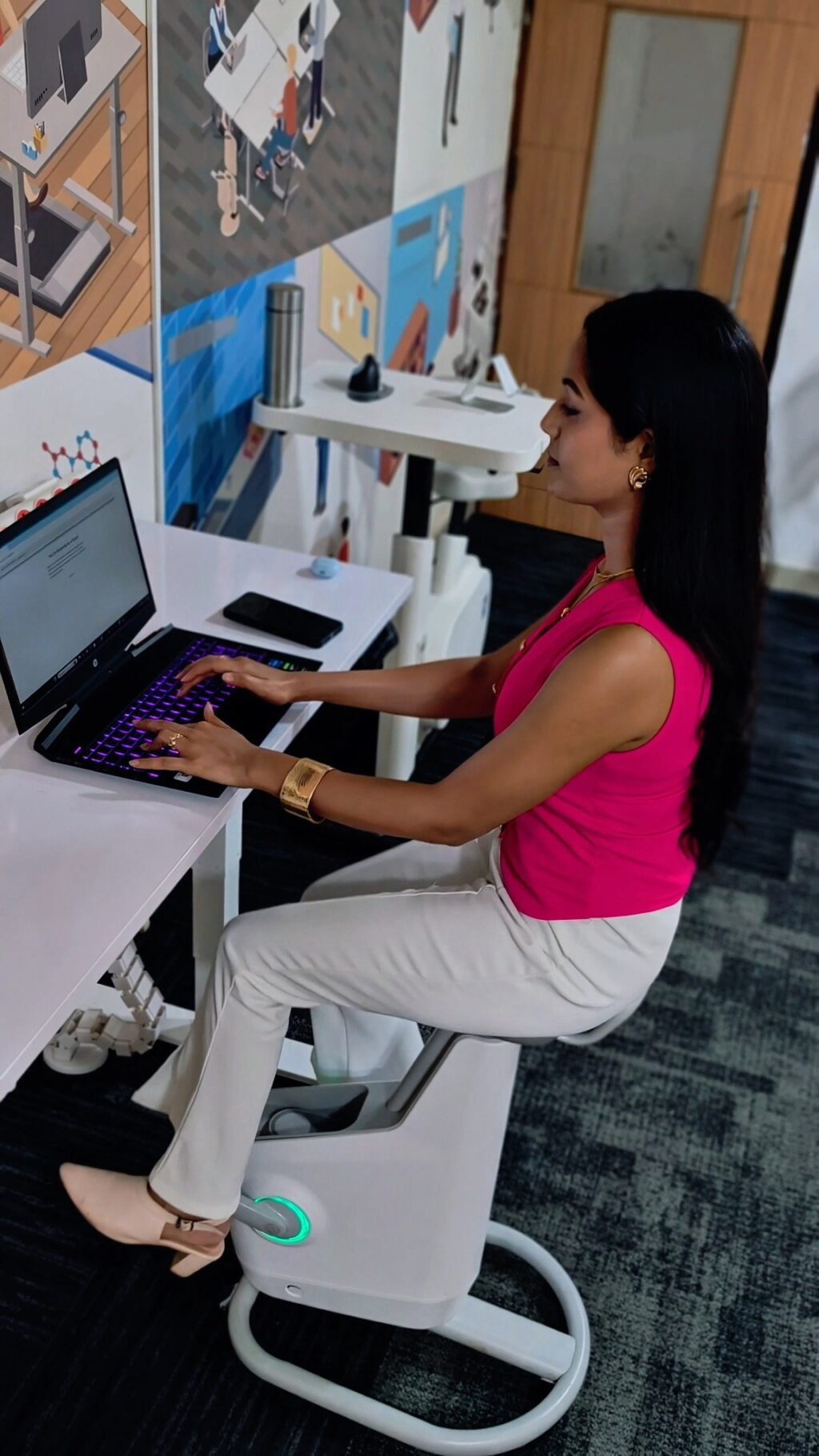
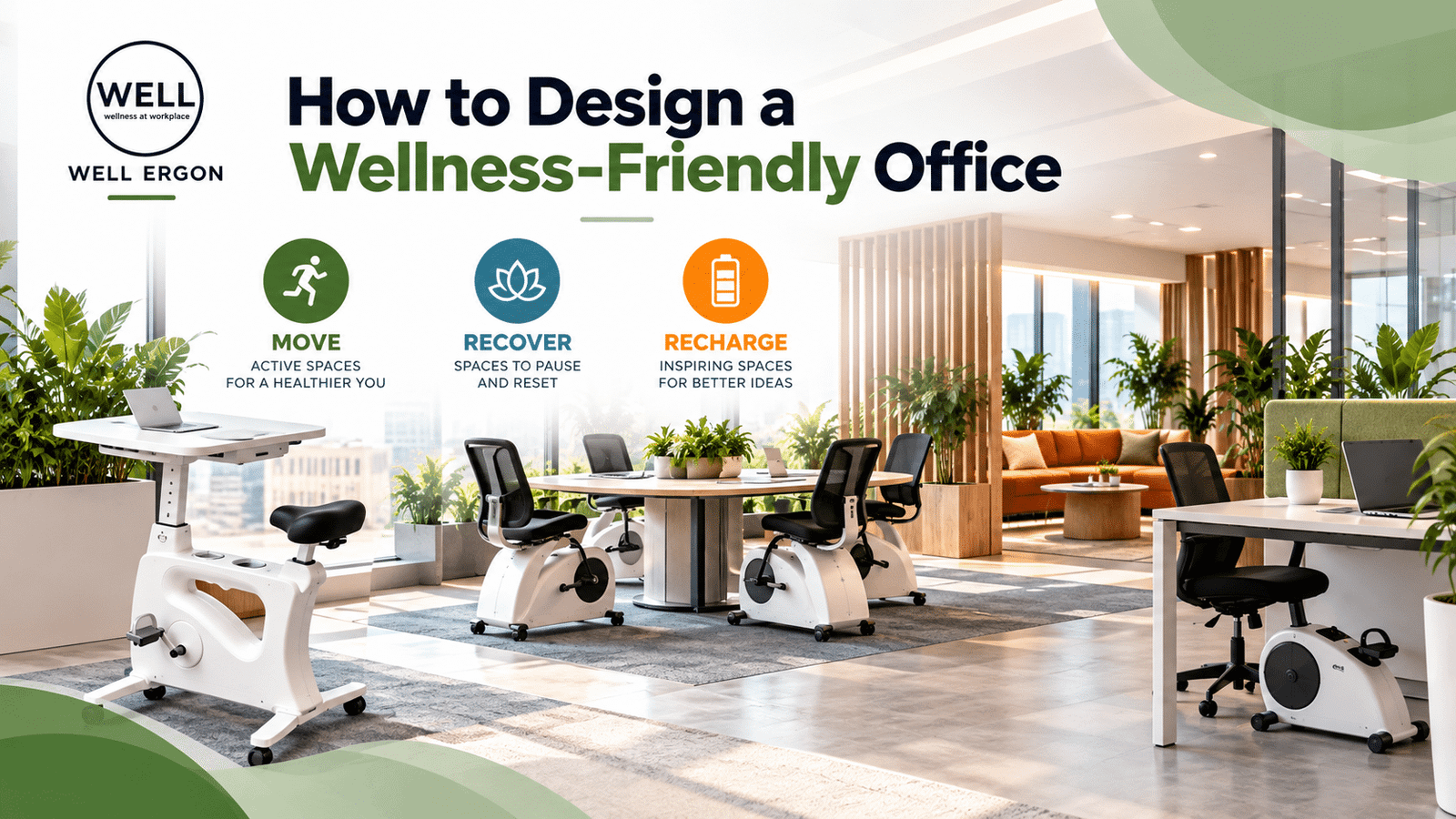
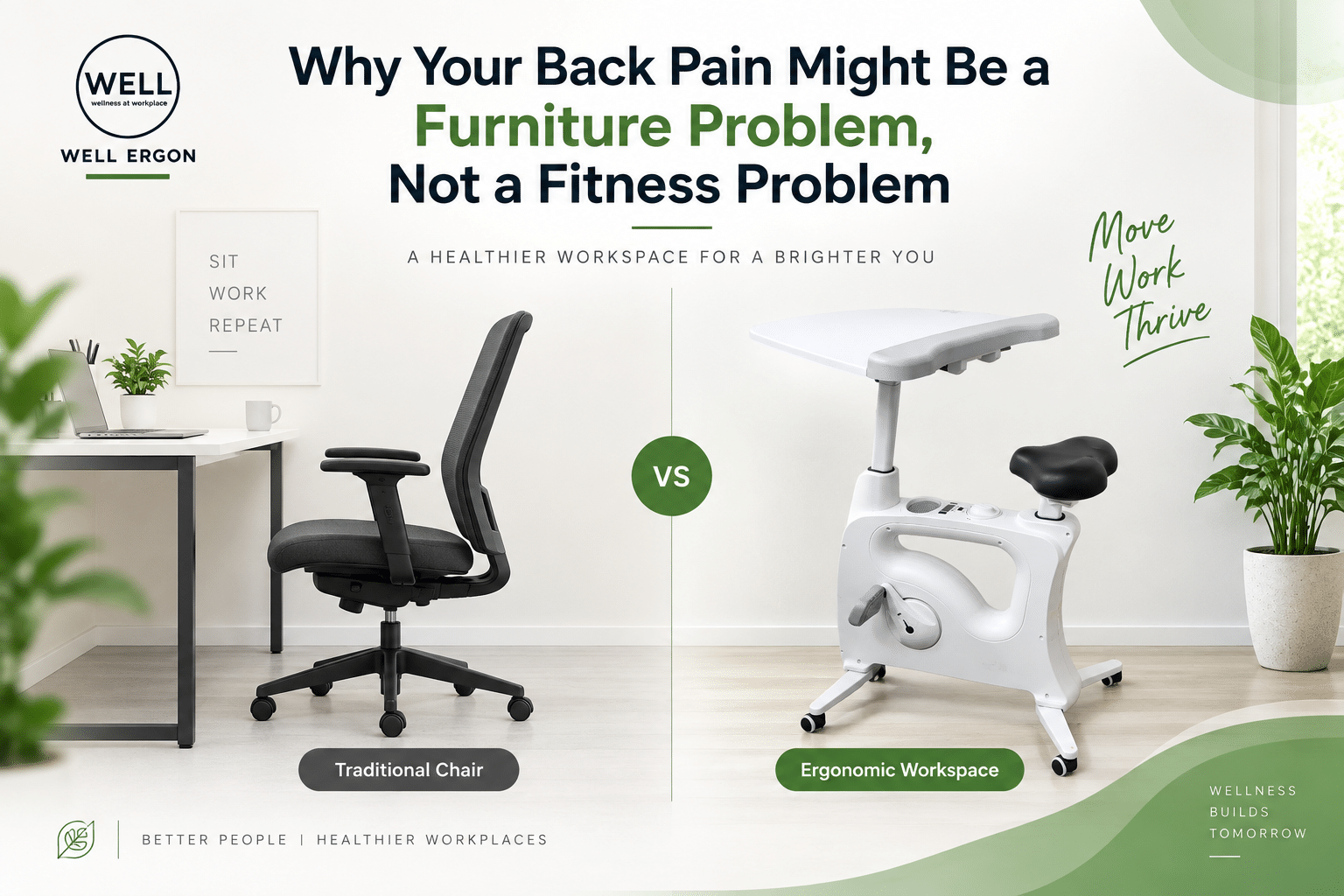
Perhaps the most immediate threat to an employee’s daily physical comfort is poor workspace ergonomics. Sitting in an unsupportive chair, hunching over a laptop and staring at a screen for hours without a break creates physical strain that accumulates day after day.
This physical discomfort is not just a personal health issue, it is a business performance issue. An employee distracted by lower back pain or shoulder tension cannot focus entirely on their tasks.
The Role of Workplace Ergonomics
Ergonomics is the science of designing the workplace to fit the user, rather than forcing the user’s body to adapt to an unnatural setup. Partnering with professional ergonomic solution providers is one of the highest yield investments an organization can make.
┌─────────────────────────────────────────────────────────────────┐
│                 HOW ERGONOMICS POWERS BUSINESS                  │
├────────────────────────────────┬────────────────────────────────┤
│      Ergonomic Workspace       │     Unsupportive Workspace     │
├────────────────────────────────┼────────────────────────────────┤
│ • Neutral spine alignment      │ • Slouched back and neck       │
│ • Minimal muscle strain        │ • High muscle fatigue & tension│
│ • Consistent blood flow        │ • Restricted circulation       │
│ • Sustained cognitive focus    │ • Frequent physical distraction│
└────────────────────────────────┴────────────────────────────────┘
By providing adjustable chairs with proper lumbar support, external monitors to keep screens at eye level and separate keyboards/mice, companies can significantly reduce the incidence of musculoskeletal strain.
Integrating Movement into Daily Workflows
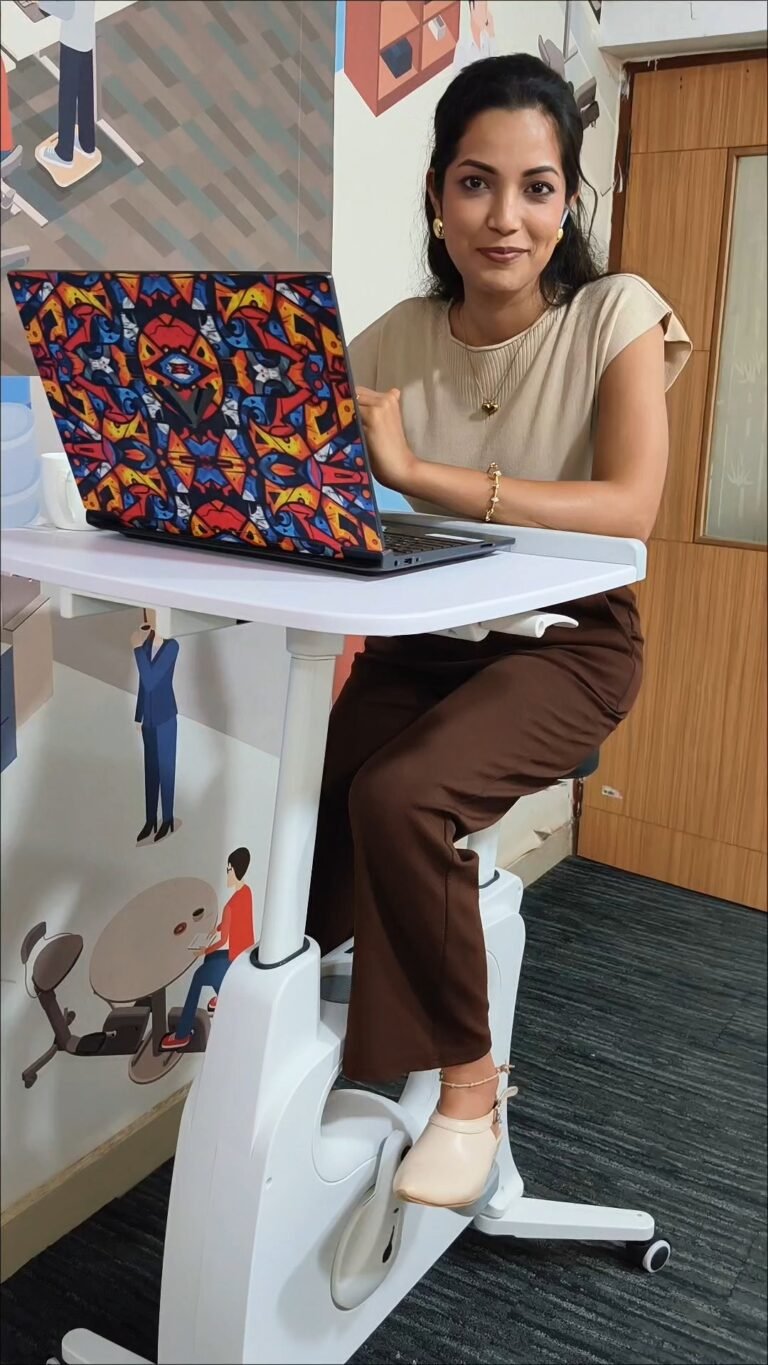
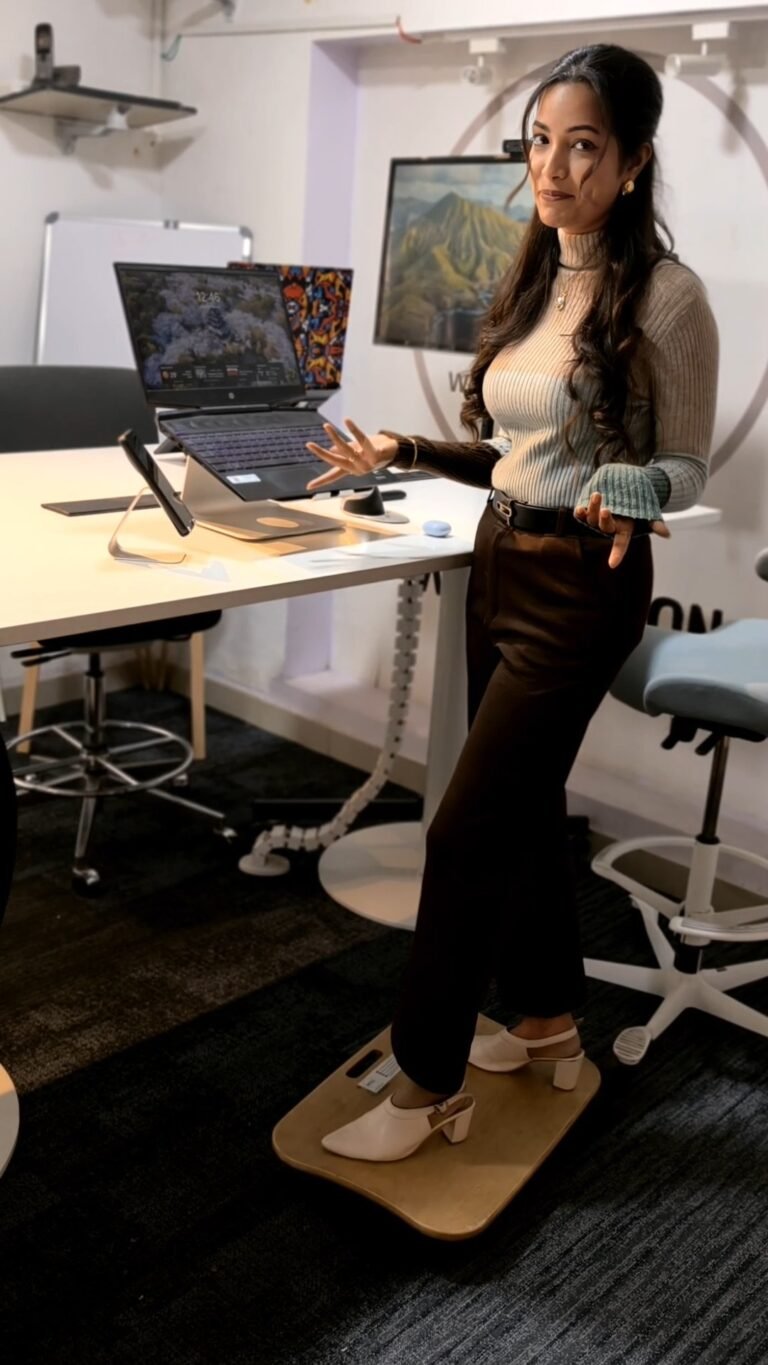
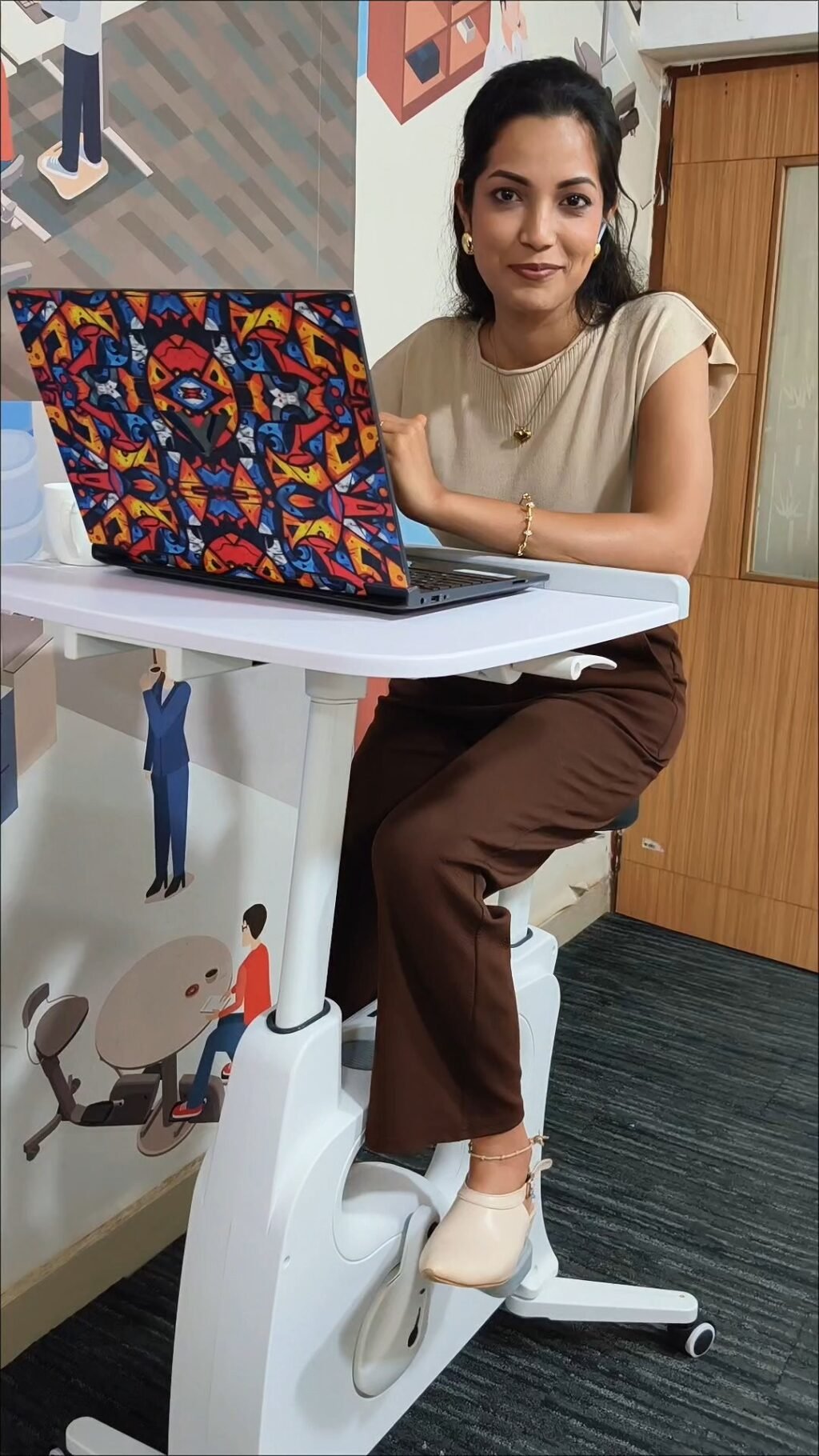
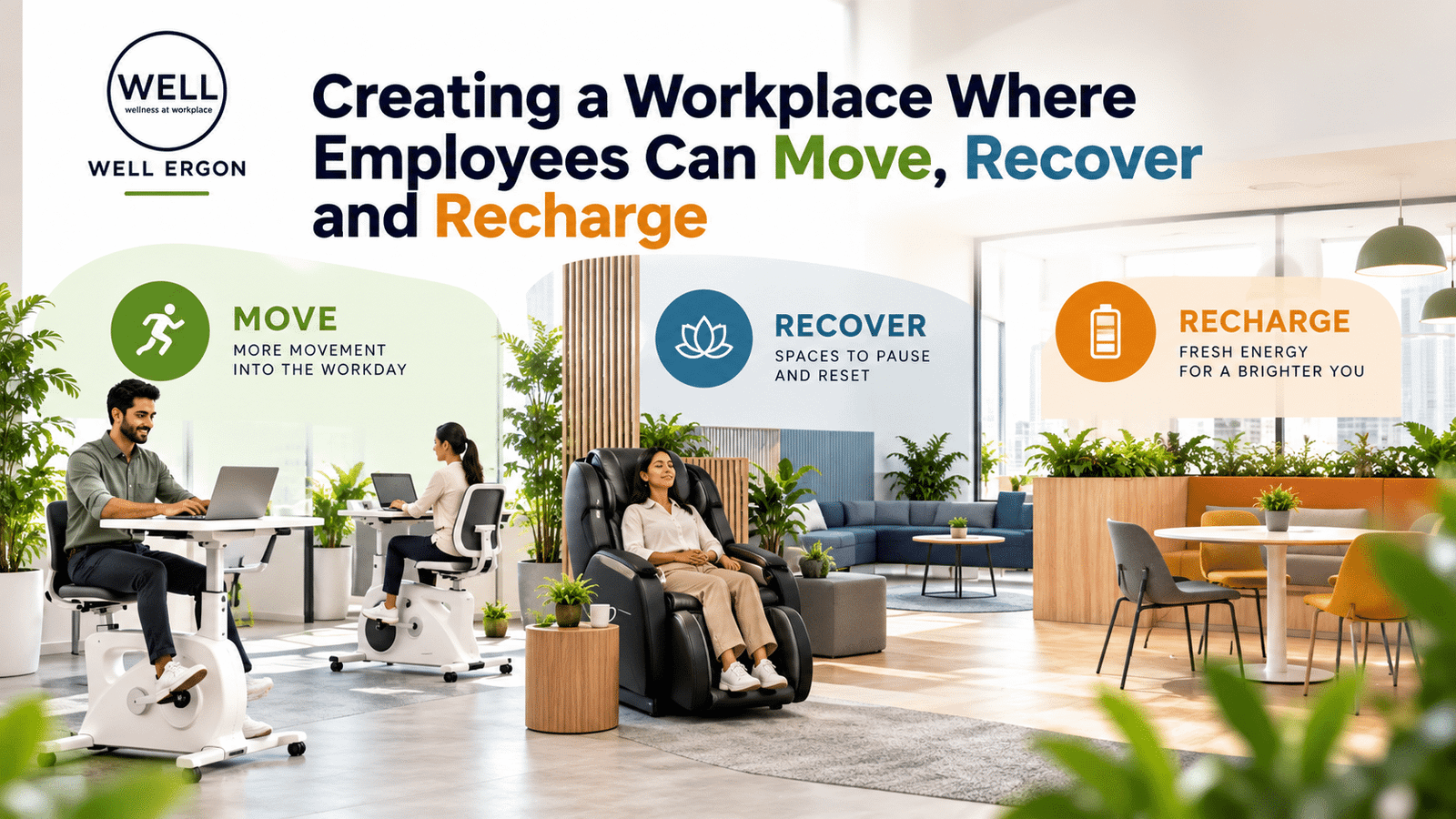
No matter how ergonomic a chair is, the human body is designed to move. True physical wellness requires breaking up long stretches of sedentary work.
The 20-20-20 Eye Rule: To prevent digital eye strain, encourage employees to look at something 20 feet away for 20 seconds, every 20 minutes.
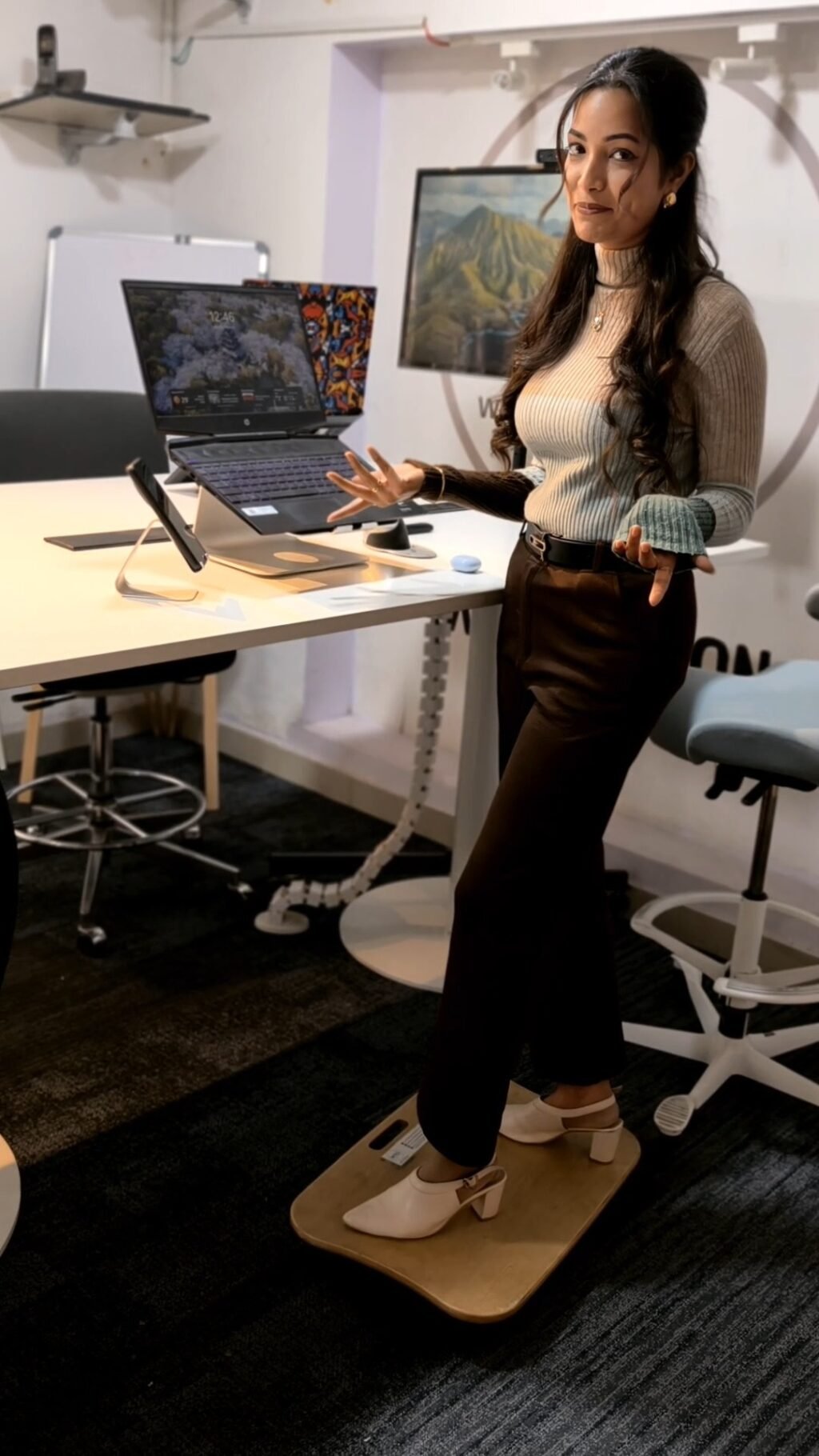
Active Micro Breaks: Encourage employees to stand, stretch, or walk around for 2 to 3 minutes for every hour of desk work.
Walking Meetings: For one-on-one catch ups or creative brainstorming sessions that do not require screen sharing, encourage employees to walk and talk, either outdoors or around the office floor.
The Business Case:
Some business leaders still view corporate wellness as an optional, nice to have expense. However, data and modern organizational psychology tell a very different story. Wellness is a direct driver of corporate performance and financial efficiency.
1. Slashing Absenteeism and Presenteeism
Unhealthy lifestyles and chronic stress lead directly to higher sick leave rates. Furthermore, the cost of presenteeism is often far higher than absenteeism. When an employee is struggling with persistent back pain, fatigue, or mental exhaustion, their speed and quality of work drop significantly.
By proactively offering ergonomic setups, healthy food choices and stress management tools, businesses can keep employees healthy, active and fully present.
2. Boosting Retention and Employer Branding
In a competitive job market, professionals, especially Millennials and Gen Z, look beyond compensation when evaluating employers. They actively seek out companies that value their health, work life integration and overall well being.
An organization known for its authentic, supportive wellness culture becomes a magnet for top tier talent, reducing recruitment costs and lowering voluntary turnover rates.
3. Improving Creativity and Problem Solving
Mental fatigue and physical discomfort constrict cognitive bandwidth. When an employee feels physically comfortable and mentally refreshed, their brain is better equipped for divergent thinking, innovation, and strategic decision making.
Steps: Designing a Wellness Roadmap for Your Office
Building an effective wellness culture does not require an overnight, multi million rupee transformation. The most sustainable initiatives start with intentional, incremental changes.
Phase 1: Audit ──> Phase 2: Equipping ──> Phase 3: Culture & Habit Shift
Phase 1: Audit and Ask
Before launching any wellness initiative, gather direct input from your team. Use anonymous surveys to ask about their primary pain points:
Do they suffer from persistent back, neck, or shoulder pain?
Are they satisfied with the food choices available at the office?
Do they feel they have a healthy balance between work and rest?
Phase 2: Equip and Ergonomize
Address physical comfort first. Ensure your team’s physical environment supports their health:
Conduct a professional ergonomic assessment of your office workspaces.
Provide adjustable seating, monitor risers and ergonomic peripherals.
Work with experts like WellErgon to identify and implement workspace upgrades that yield the highest health benefits.
Phase 3: Educate and Foster Healthy Habits
Equipping employees with tools is only half the battle, they must also feel encouraged to use them.
Host interactive, expert-led workshops on nutrition, desk based stretching and stress release techniques.
Create a corporate environment where taking brief breaks to stretch, walk, or breathe is normalized and celebrated.
Real Life Scenarios:
To understand how these concepts apply to daily office life, let us examine two common workplace scenarios.
Scenario A: The High Stress Project Launch
The Situation: A software development team is racing toward a critical project deadline. They are working 11 hour days, skipping lunch to eat quick snacks at their desks and drinking multiple cups of sweet coffee to stay awake.
The Result: By week three, errors and bugs in the code spike. Team members are irritable, communication breaks down and two key developers call in sick due to migraines and severe fatigue.
The Solution: The HR manager steps in to mandate a collective, screen free 30 minute lunch break. The office pantry is stocked with nuts, fruits and coconut water. Additionally, the team lead initiates brief 5 minute stretching breaks every afternoon.
The Outcome: The team’s collective focus stabilizes, communication improves, critical errors decline and the project is delivered successfully without further sick leaves.
Scenario B: The Sedentary HR & Finance Department
The Situation: The finance team spends their days sitting at their desks, staring intently at spreadsheets. Several team members frequently complain of lower back pain, wrist strain and neck stiffness.
The Result: Productivity slows down during peak periods, and employees are visibly distracted by physical discomfort.
The Solution: The company partners with WellErgon to conduct an ergonomic workspace audit. Employees are provided with high quality ergonomic chairs, adjustable laptop stands, and external mice. The company also introduces short Desk Ergonomics training sessions.
The Outcome: Within a month, complaints of physical pain drop dramatically. Team members report feeling more energetic and the department experiences faster processing times during peak financial quarters.
Frequently Asked Questions
1. What is workplace wellness and why is it important in India?
Workplace wellness refers to the holistic practices, policies, and workplace designs that support the physical, mental and nutritional health of employees. In India, it is highly critical because of long working hours, high levels of stress, long commutes and sedentary habits that lead to premature burnout and chronic lifestyle conditions.
2. How do workspace ergonomics impact employee productivity?
Ergonomics minimizes the physical strain placed on an employee’s body during long hours of desk work. When workspaces are ergonomically optimized with proper chairs, screens, and equipment, employees suffer from fewer distractions caused by back pain, neck strain and physical fatigue, leading to cleaner focus and higher quality work.
3. What are some simple, low cost ways to improve corporate nutrition?
You do not need an expensive organic cafeteria to encourage healthy nutrition. Simple steps include replacing sugary snacks and processed biscuits in the pantry with healthier snacks like roasted makhana, nuts and fresh fruit. Encouraging screen-free lunch breaks also helps employees eat mindfully and digest their food better.
4. How can small startups implement wellness initiatives on a budget?
Startups can focus on cultural changes and low cost physical adjustments. Encourage walking meetings, implement quiet hours where internal communication is paused, set up a dedicated screen free break area and invest in basic ergonomic accessories like laptop stands and external keyboards.
5. What is the return on investment (ROI) for workplace wellness programs?
Investing in workplace wellness pays off by reducing absenteeism, minimizing presenteeism, lowering employee turnover and boosting overall creative problem solving and daily output.
Partner with WellErgon for a Healthier, More Productive Workspace
A truly productive workspace is built on a foundation of healthy habits, supportive environments and a culture that respects the human body and mind. By prioritizing Nourishment, Mind and Movement, you can transform your workplace from a source of daily stress into an environment of growth and innovation.
At WellErgon, we specialize in helping Indian businesses, HR teams and founders create highly effective, ergonomically optimized workspaces that promote health, engagement, and focus.
From professional ergonomic assessments to custom workspace wellness solutions, we partner with you to design an environment where your team can do their best work.
Ready to elevate your workplace wellness? Contact the WellErgon team today to schedule an ergonomic audit or explore our corporate wellness solutions.