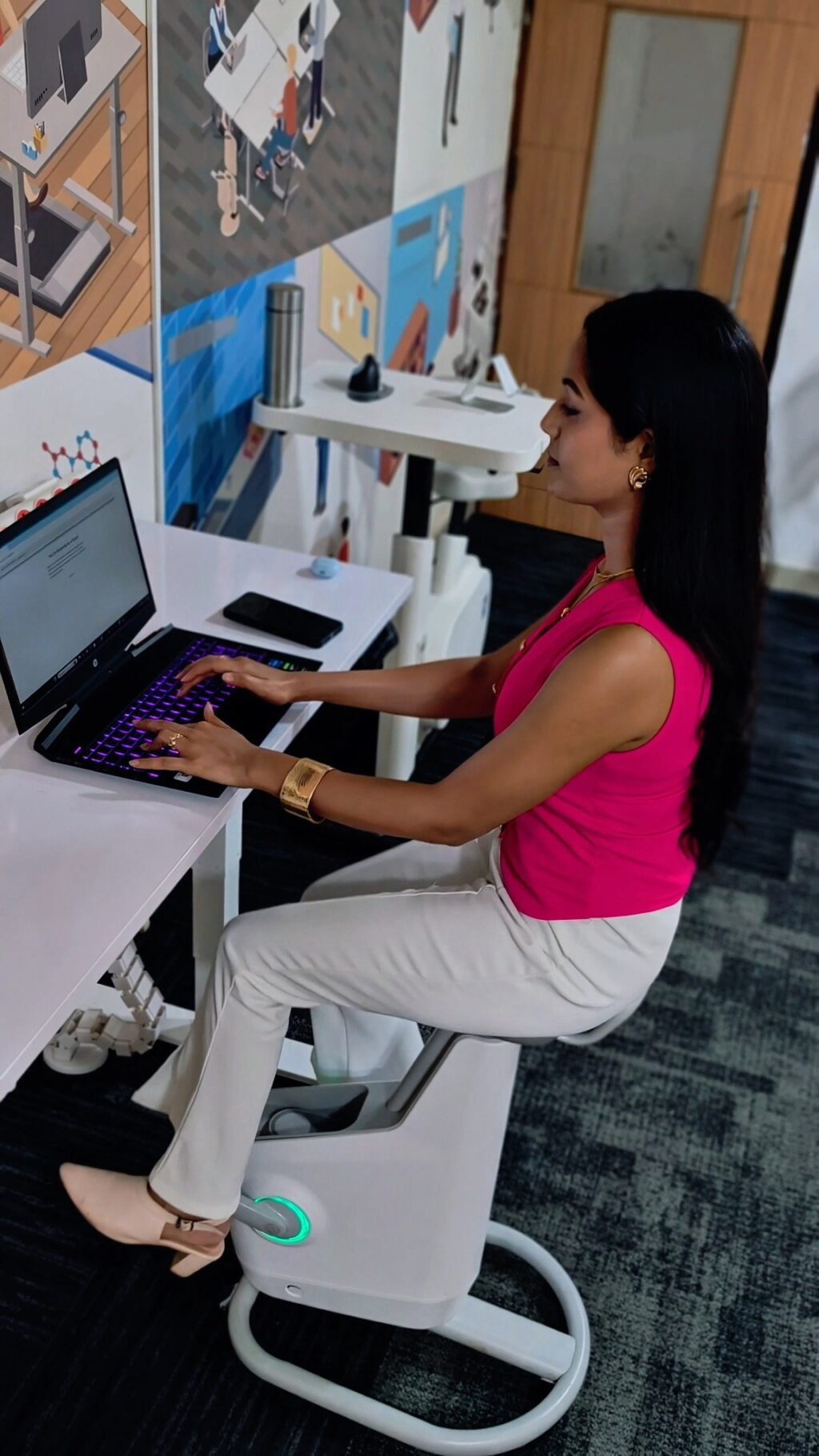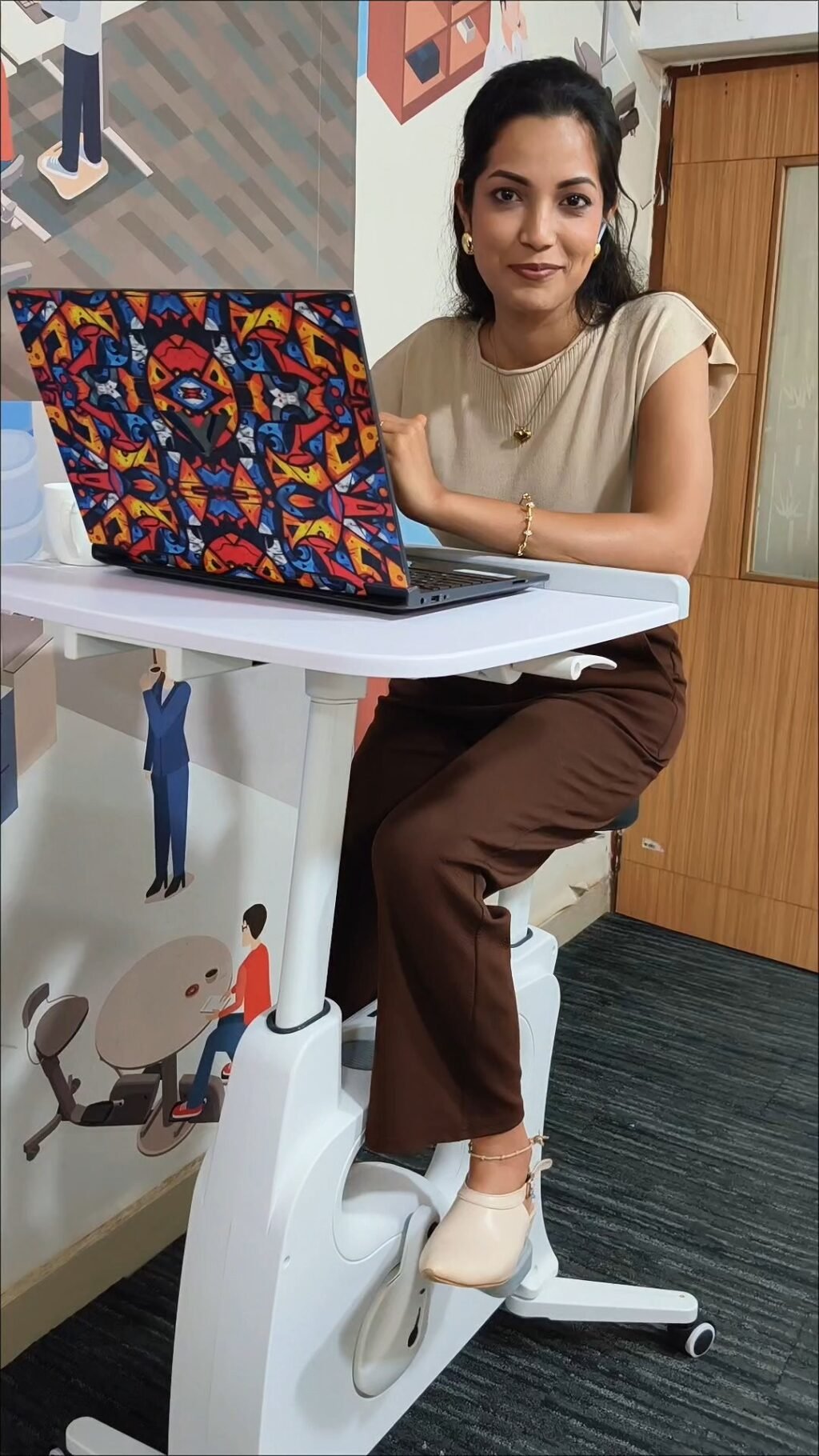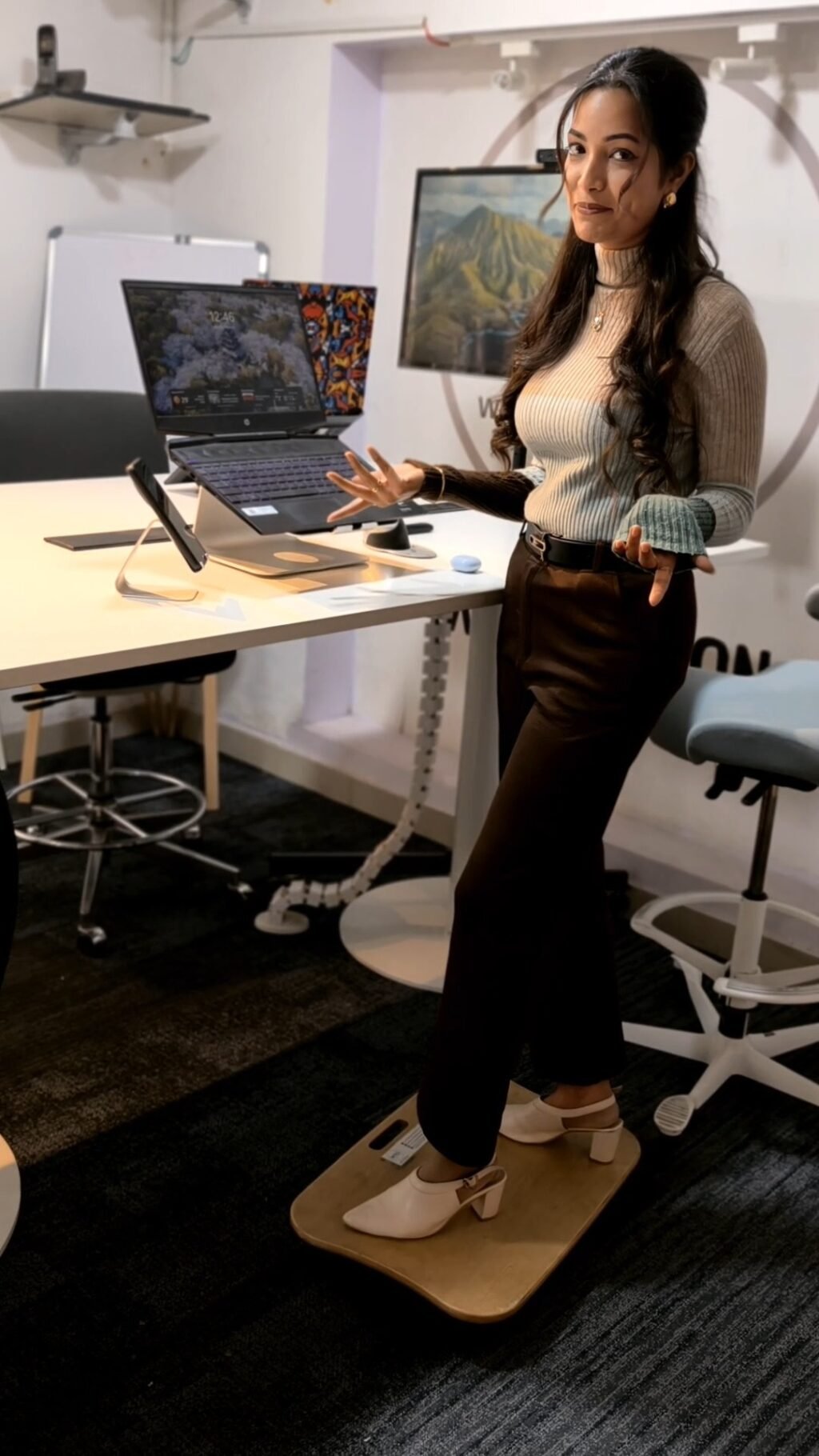
It is 10:30 AM on a Tuesday in a bustling tech hub like Bengaluru or Gurgaon. Across thousands of cubicles and home offices, the scene is remarkably similar, an employee sits hunched over a laptop, shoulders tensed, eyes straining against the blue light, with a third cup of coffee cooling on the desk. They aren’t just busy, they are experiencing the silent erosion of their physical and mental health.
As we move through 2026, the global workforce has reached a tipping point. The hustle culture of the previous decade, which once celebrated burnout as a badge of honor, has been replaced by a more sustainable, holistic paradigm. Today, Indian professionals value health, flexibility and emotional support just as much as, if not more than, a high CTC.
Workplace wellbeing is no longer an optional perk or a colorful beanbag in the corner of the office. It is a fundamental business necessity and a core pillar of corporate strategy.
1. What Is Workplace Wellbeing?
At its core, workplace wellbeing is the practice of creating an environment where employees can remain healthy, productive, motivated and engaged. It is not a single initiative but a multi dimensional approach to the human experience at work.
To truly understand it, we must break it down into five key pillars:
Physical Wellbeing: This involves the body’s health, protected through ergonomics, movement, nutrition and adequate sleep.
Mental Wellbeing: The ability to manage stress, maintain focus and navigate the cognitive demands of a job without succumbing to burnout.
Emotional Wellbeing: Feeling valued, understood and psychologically safe within a team.
Social Wellbeing: The quality of relationships with colleagues and the sense of belonging to a community.
Financial Wellbeing: The peace of mind that comes from fair compensation, financial literacy and long term security.
Key Insight: Workplace wellbeing focuses on the Whole Person. When an employee logs in, they don’t leave their physical back pain or their financial stress at the door, these factors follow them into every meeting and every task.
2. Why Workplace Wellbeing Matters in Modern Offices
The modern Indian office has evolved, but so have its challenges. In 2026, several factors have made wellbeing the top priority for CHROs across the country:
The Crisis of Sedentary Work
The human body was designed to move. However, the modern knowledge economy requires most professionals to remain seated for 8 to 10 hours a day. This sitting disease is linked to chronic back pain, obesity and cardiovascular issues, which directly impact a company’s healthcare costs and absenteeism rates.
The Burnout Epidemic
Despite the rise of hybrid work, the always on culture facilitated by digital tools has led to record high levels of stress. In India, where competitive pressures are intense, burnout has become a leading cause of voluntary attrition.
Changing Employee Expectations
The Gen Z and Millennial workforce (which now dominates the Indian labor market) views employment as a partnership. If a workplace neglects their health, they are quick to seek opportunities elsewhere. Wellbeing has become a primary driver of Employee Retention.
The Productivity Paradox
Research consistently shows that presenteeism, showing up to work while unwell or disengaged, is more expensive for businesses than absenteeism. A stressed, fatigued employee is prone to errors, lacks creativity and struggles with complex problem solving.
3. Key Components of Workplace Wellbeing
A. Physical Wellbeing:
In 2026, physical wellbeing is about the micro moments of the workday.
Ergonomic Furniture: Using chairs that support the natural S-curve of the spine and desks that adjust to the user’s height.
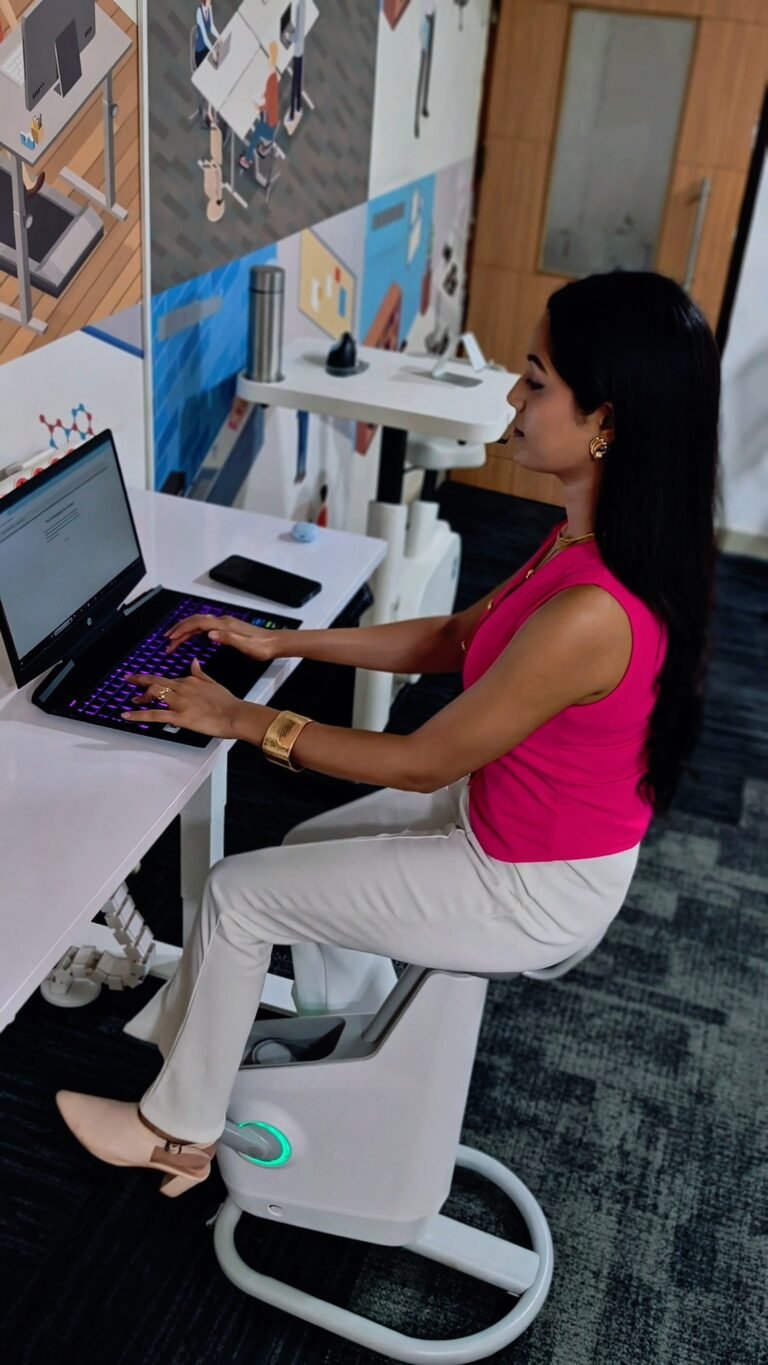
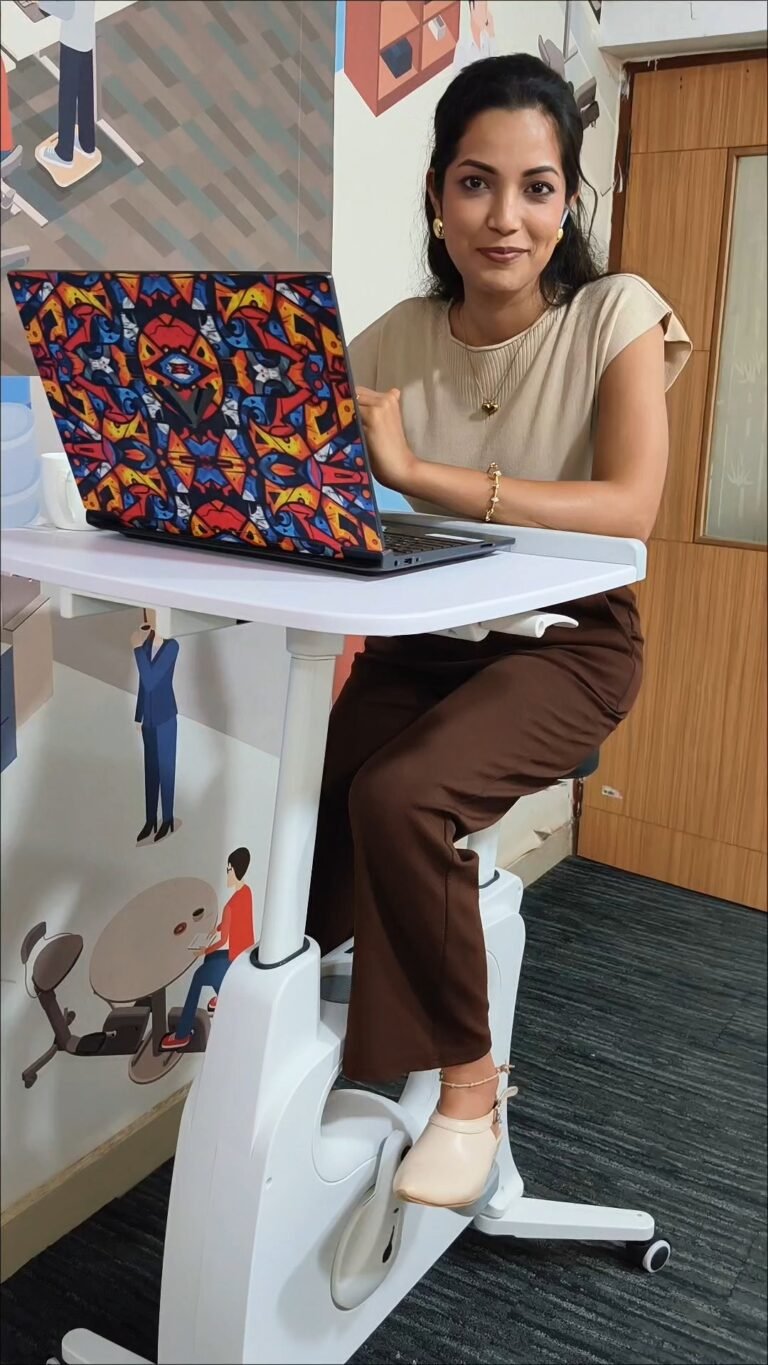
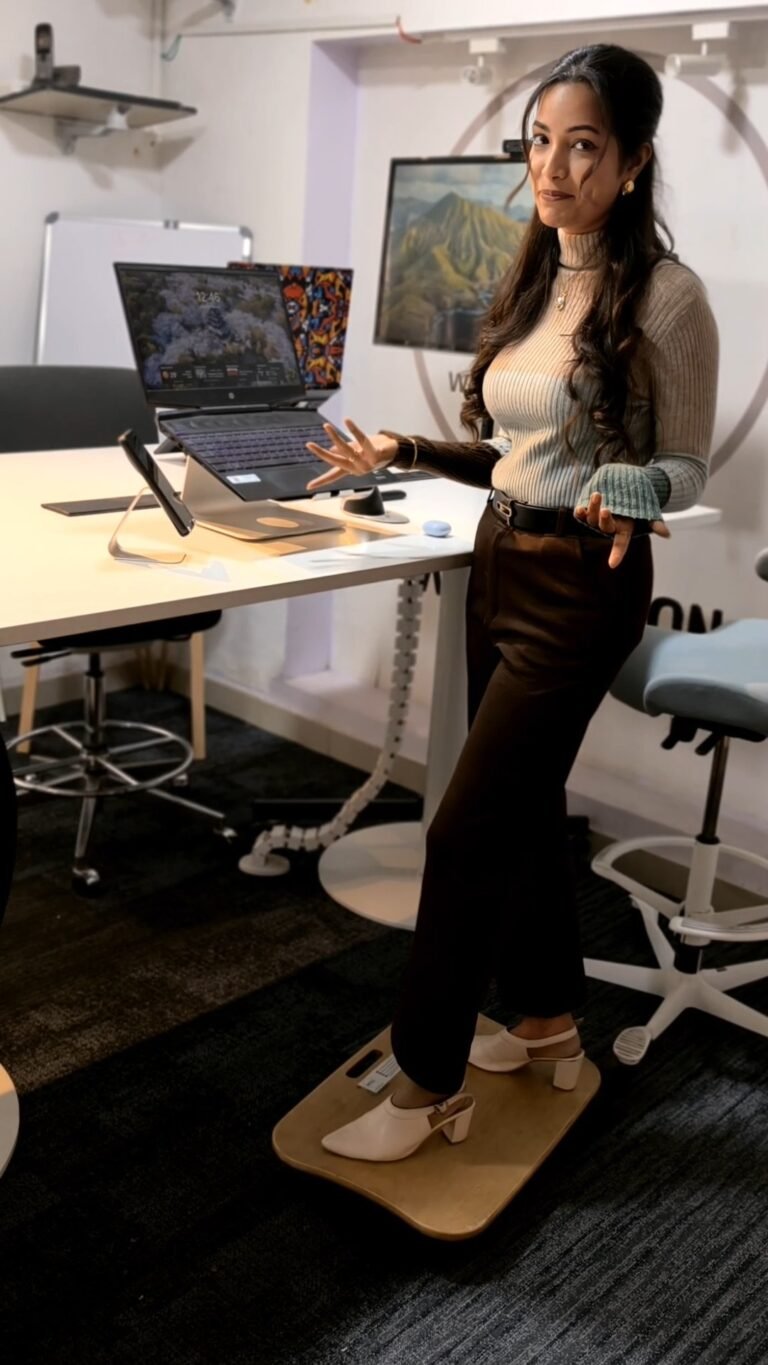
Active Workstations: The introduction of standing desks and treadmill desks to break the cycle of prolonged sitting.
Workplace Movement: Normalizing movement snacks, short, 2 minute stretches or walks every hour.
B. Mental & Emotional Wellbeing:
A healthy mind is a productive mind.
Stress Management: Providing tools for mindfulness and time management.
Work Life Integration: Moving beyond the myth of balance toward integration, where work fits into a healthy life.
Psychological Safety: An environment where employees can admit mistakes or voice concerns without fear of punishment.
C. Social Wellbeing:
Remote and hybrid work can be isolating.
Inclusive Culture: Ensuring that every voice, whether in the room or on the screen, is heard.
Team Collaboration: Moving from transactional meetings to meaningful interactions that build trust.
D. Financial Wellbeing:
Support Programs: Providing access to financial planners or workshops on tax saving and investing.
Transparent Benefits: Offering insurance and wellness incentives that provide a genuine safety net.
4. Benefits of Workplace Wellbeing Programs
The ROI of wellbeing is measurable and significant.
For Employees:
Enhanced Vitality: Less chronic pain and higher energy levels.
Mental Clarity: Reduced brain fog and better emotional regulation.
Job Satisfaction: Feeling that the employer cares about them as a person, leading to higher loyalty.
For Businesses:
Higher Productivity: Healthy employees have better cognitive function and focus.
Lower Attrition: Companies with robust wellness programs see a 25-30% reduction in staff turnover.
Stronger Employer Branding: In the War for Talent, being known as a Wellbeing First company is a massive competitive advantage.
5. Common Workplace Wellbeing Challenges
Even with the best intentions, companies often face hurdles:
The Sitting Trap: The default mode for most office work is still seated, making it hard to encourage movement.
Cultural Stigma: In some traditional Indian corporate environments, taking a mental health day or using a standing desk might still be viewed with skepticism.
Digital Fatigue: Constant notifications on WhatsApp, Slack and Email create a state of continuous partial attention, which is exhausting.
Poor Ergonomics at Home: While offices are being upgraded, many home offices remain poorly equipped, leading to Work from Home injuries.
6. How Companies Can Improve Workplace Wellbeing
Actionable steps for 2026:
1. Create an Ergonomic Workspace
Invest in the hardware of health. This includes:
Adjustable Desks: Allowing employees to switch between sitting and standing.
Ergonomic Chairs: With adjustable lumbar support and armrests.
Monitor Arms: Ensuring the screen is at eye level to prevent tech neck.
2. Encourage Movement During Work
Culture is set from the top. Managers should:
Lead Standing Meetings: Short huddles are often more efficient when everyone is standing.
Schedule Walking 1 on 1s: For non technical discussions, take the call while walking.
Implement No Meeting Fridays: Give employees the cognitive space to focus without the stress of back to back calls.
3. Support Mental Health
Normalize the Conversation: Host wellness sessions led by experts.
Flexible Schedules: Allow for asynchronous work where possible, letting employees work when they are most productive.
7. The Role of Ergonomics in Workplace Wellbeing
There is a direct, unbreakable link between ergonomics and mental health. When your body is in pain, your brain’s bandwidth is consumed by that discomfort. You become more irritable, less creative and more prone to stress.
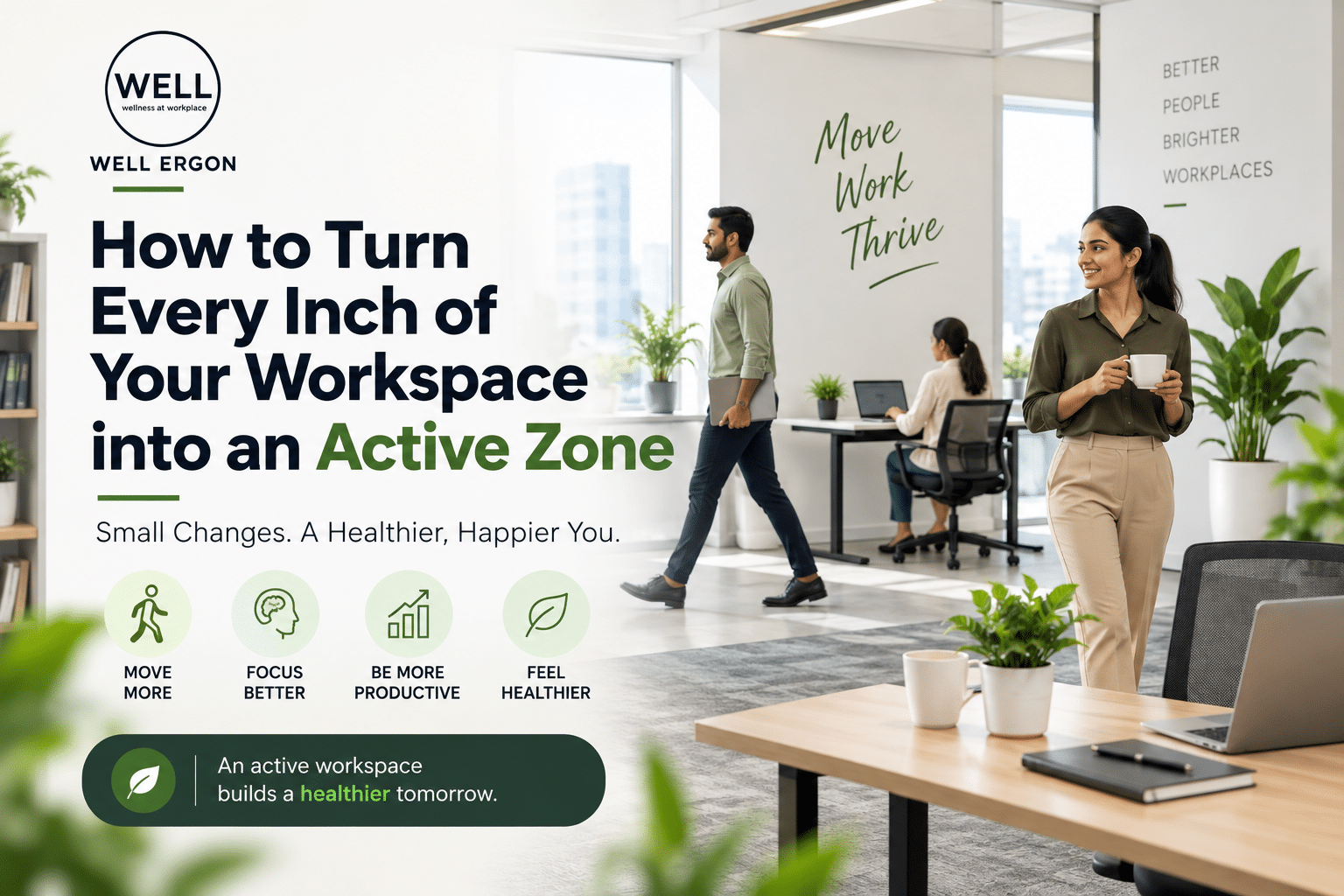
In 2026, the concept of the Active Workspace has taken center stage. Modern solutions, such as those pioneered by Natural WellErgon, focus on Movement Based Working. This means the furniture doesn’t just fit you; it moves with you. By integrating movement into the flow of work, ergonomics transforms from a safety standard into a performance enhancer.
8. Workplace Wellbeing Trends in 2026
AI Powered Wellness Tracking: Wearables that suggest a stretch when they detect high heart rate variability or prolonged stillness.
Biophilic Design: Integrating natural light, plants and organic materials into office spaces to reduce cortisol levels.
Hybrid Wellness Solutions: Ensuring that remote employees have the same access to ergonomic equipment and mental health support as in office staff.
Nutritional Optimization: Offices providing brain fuel snacks (nuts, seeds, fruits) instead of sugary biscuits and sodas.
9. How Workplace Wellbeing Improves Productivity
It’s simple biology: A comfortable body supports a focused mind.
Reduced Fatigue: Proper posture ensures better blood flow and oxygenation to the brain.
Better Focus: When you aren’t adjusting your chair every five minutes to ease back pain, you can enter Deep Work states more easily.
Lower Error Rates: Stress related cognitive decline leads to mistakes. A calm, well-supported employee is a precise employee.
10. Conclusion
Workplace wellbeing is no longer a nice to have luxury, it is the heartbeat of a successful modern organization. As we look toward the future of work in India, the companies that thrive will be those that realize their most valuable assets aren’t their laptops or their software, it’s the people behind them.
By prioritizing movement, ergonomic excellence and psychological safety, businesses can transform the daily grind into a journey of growth and health.
11. FAQs
1: What is the simplest definition of workplace wellbeing?
It is the holistic health of an employee, physical, mental and emotional, within the context of their work environment.
2: Why is it suddenly so important in India?
India has one of the youngest workforces in the world, and this generation prioritizes health and quality of life. Additionally, the rise in lifestyle diseases (diabetes, hypertension) among young professionals has made wellbeing a matter of national economic importance.
3: Does a company need a huge budget to start a wellbeing program?
No. Start with culture: encourage breaks, provide ergonomic education and normalize standing during meetings. Hardware upgrades can be phased in over time.
4: How does ergonomics help mental health?
Chronic physical pain is a major stressor. By removing physical discomfort through ergonomics, you reduce the overall stress load on the employee’s nervous system.
5: Can wellbeing be measured?
Yes, through metrics like employee engagement scores, attrition rates, absenteeism and healthcare claim costs.
Remember: Businesses that prioritize employee wellbeing today will build the strongest, most resilient workplaces for the future.