In the modern era, the office has become more than just a place of work, for many, it is a second home where we spend the vast majority of our waking hours. However, this evolution has come with a silent, creeping cost. The traditional image of the hardworking professional is often someone tethered to a desk, eyes locked on a glowing screen, barely moving for hours on end. This shift toward a sedentary lifestyle is not just a change in how we work, it is a significant threat to our collective health and vitality.
1. The Modern Work Lifestyle Problem
For the average corporate professional, the workday consists of a marathon of sitting. From the morning commute to the 8 – 10 hours spent at a desk, followed by an evening of unwinding on the couch, we are sitting more than ever before in human history.
The Physical and Mental Toll
The consequences of this lifestyle are no longer theoretical, they are visible in every office across the globe. We see it in the persistent back pain that plagues young professionals, the mid-afternoon fatigue that no amount of caffeine can fix and the dipping productivity levels as the brain becomes sluggish from a lack of circulation.
The tide, however, is turning. There is a growing realization that grind culture is unsustainable if it breaks the human machine. We are seeing a massive shift from traditional, rigid work environments to wellness focused workplaces. At the heart of this revolution is the concept of an Active Work Life.
2. What is Active Work Life?
When people hear the word active, they often think of intense gym sessions, marathon running, or heavy lifting. But an Active Work Life isn’t about hitting the treadmill at 5:00 AM (though that’s great too). It is about integrating movement into the fabric of your daily work routine.
An Active Work Life is defined by the rejection of static postures. It’s the philosophy that the human body was designed to move, not to remain molded into a chair. It involves consistent, small movements throughout the day that keep the metabolism firing and the muscles engaged.
Examples of an Active Work Life in action:
Standing Meetings: Swapping the boardroom table for a standing height desk.
Walking Calls: Taking your sync-ups or brainstorming sessions while pacing the office or walking outside.
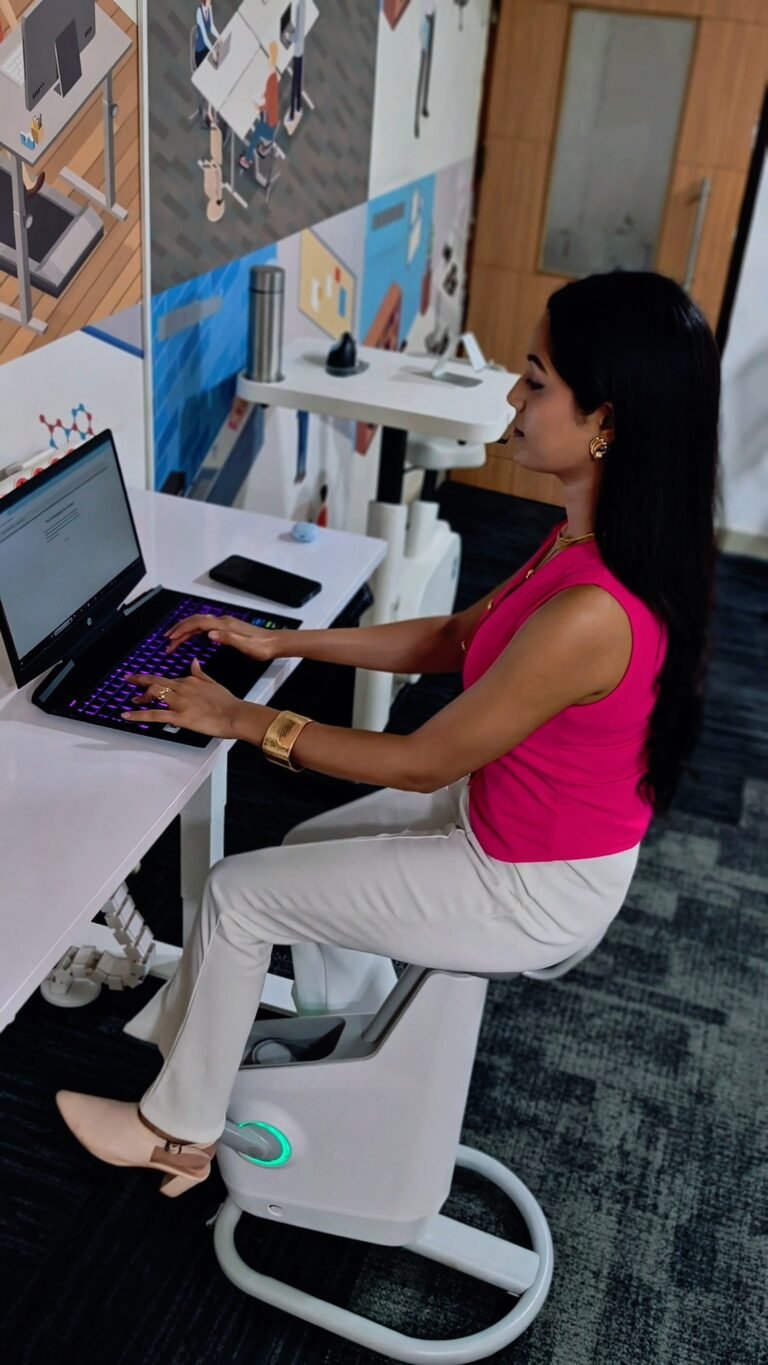
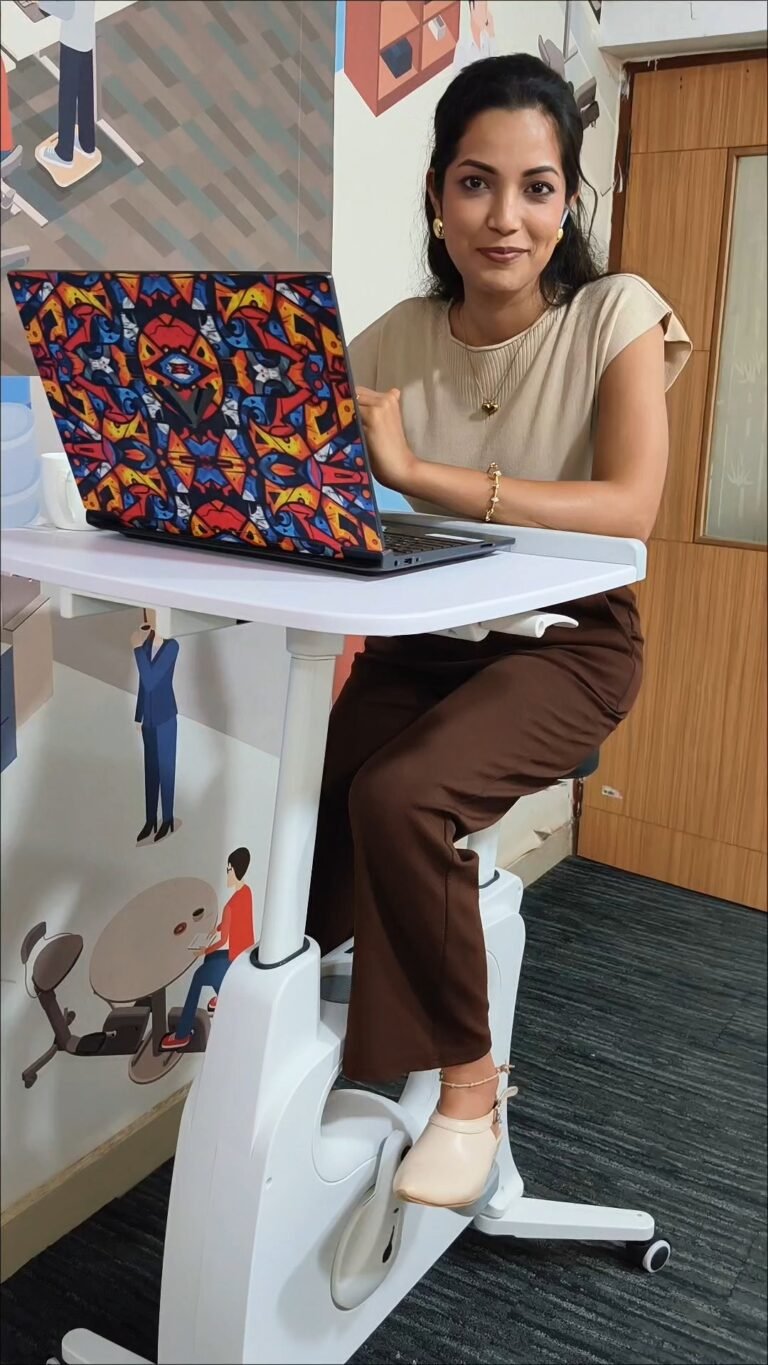
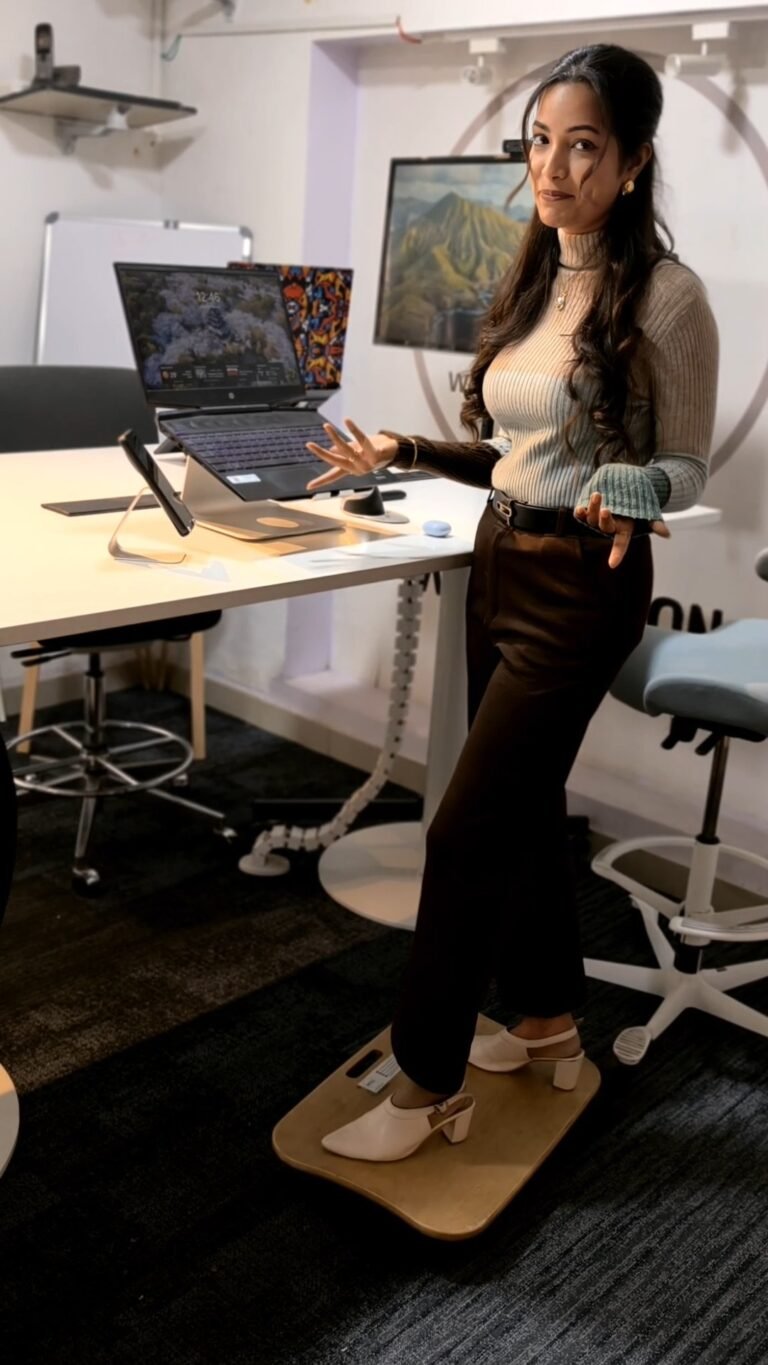
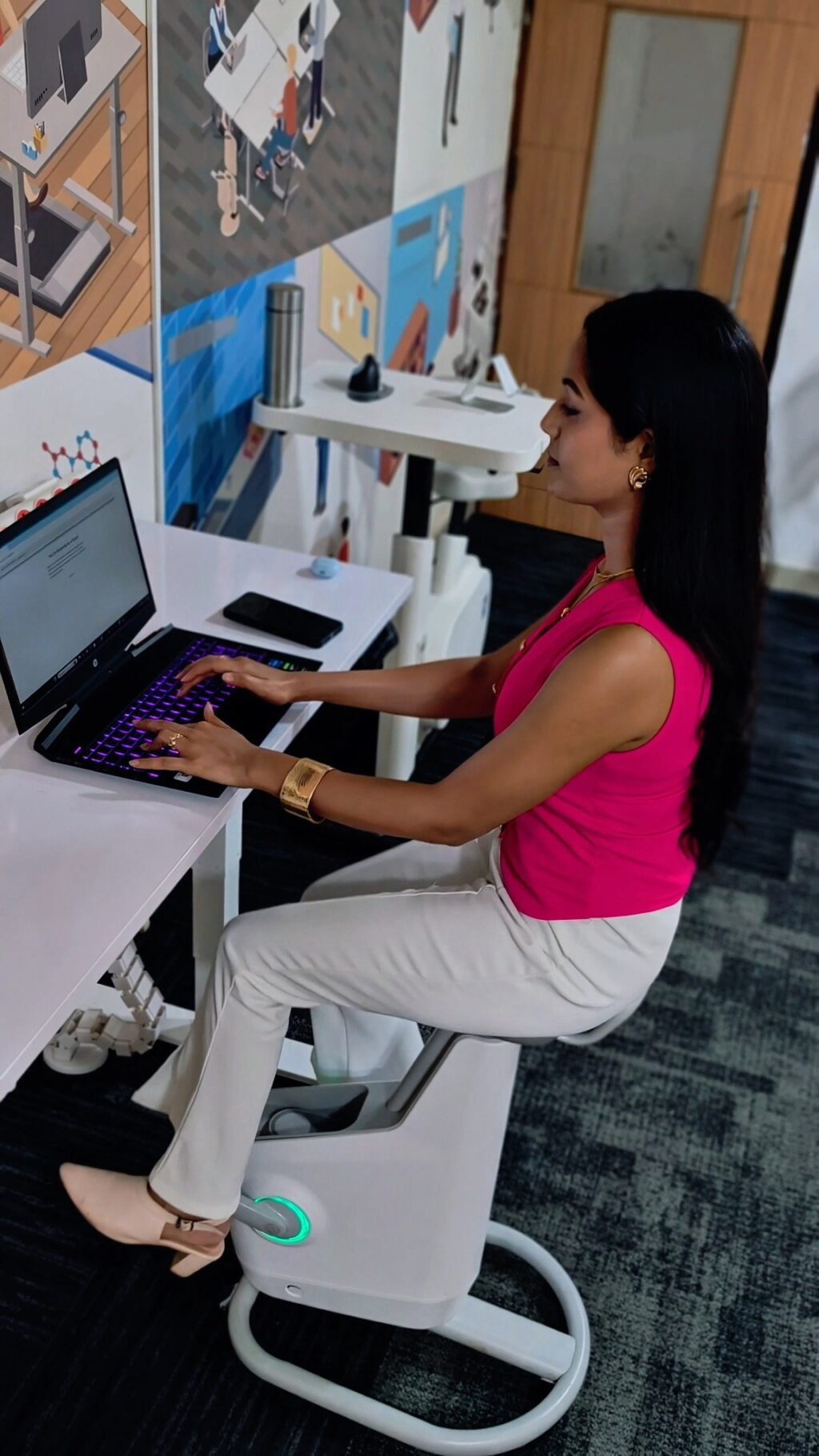
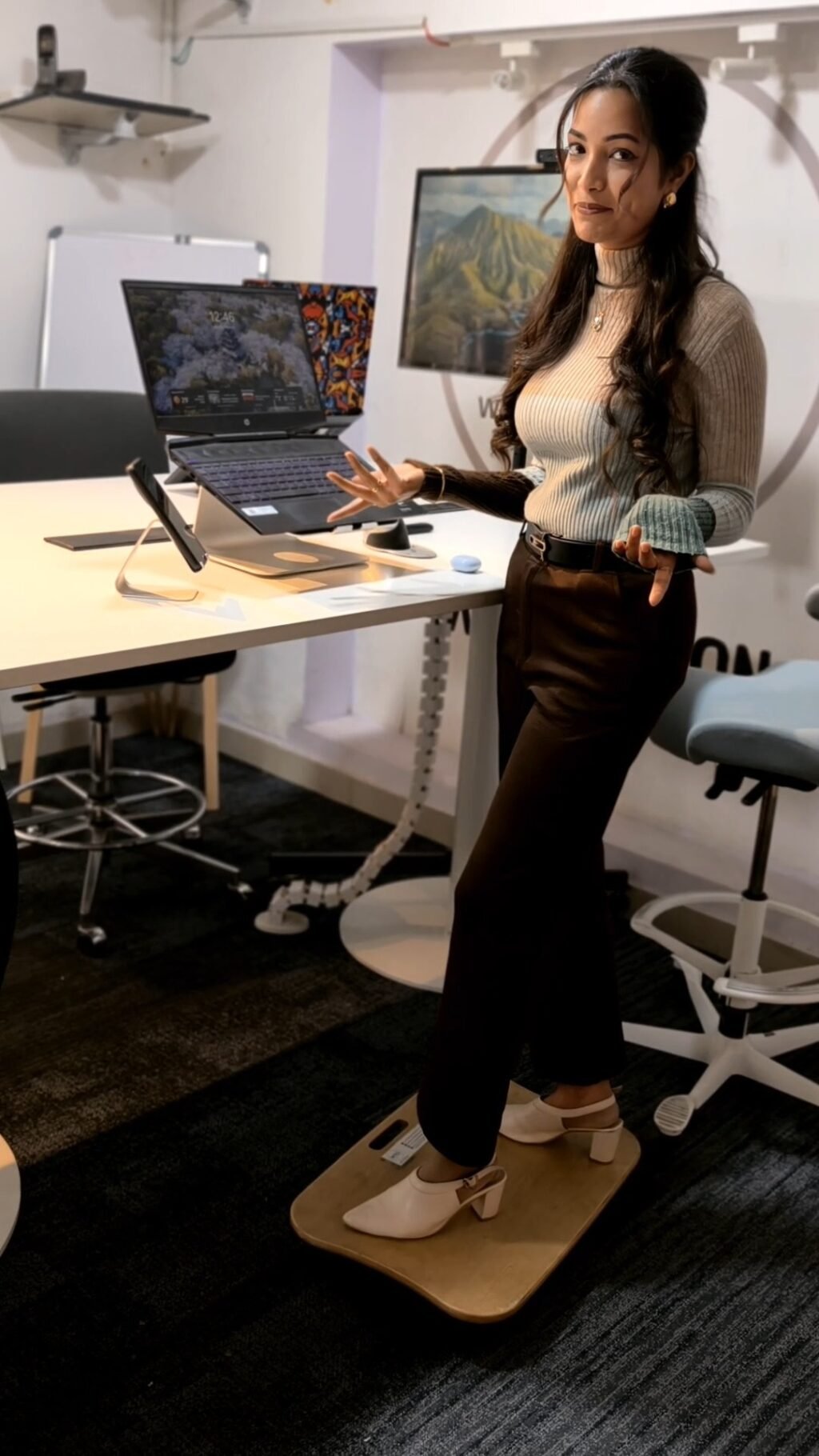
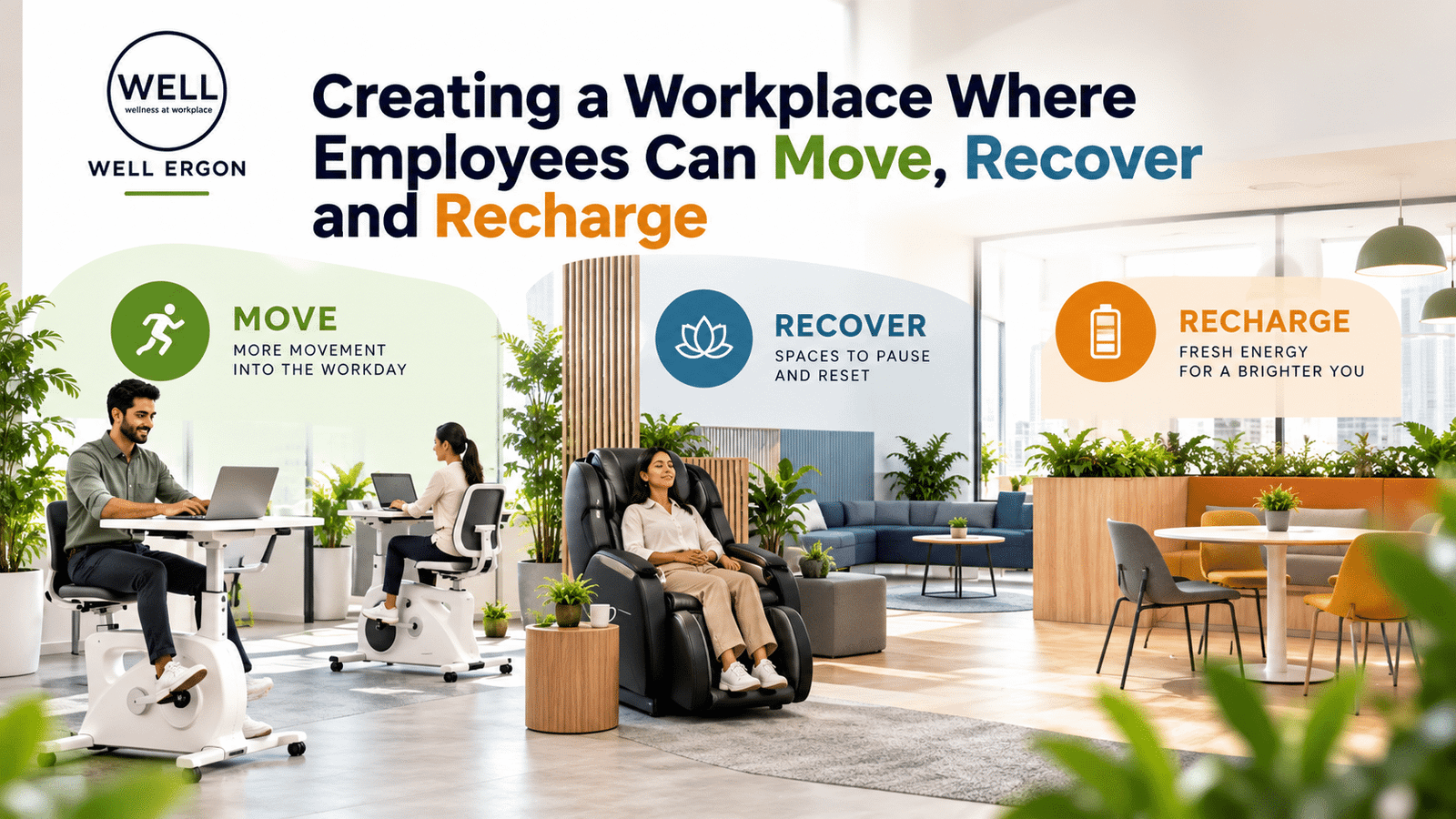
Micro Movements: Using desk exercise equipment like under desk pedals or balance boards to stay engaged while typing.
3. Why Promoting Active Work Life is Important
The push for movement isn’t just a HR trend, it’s a necessity backed by science.
Health Benefits
Sitting for prolonged periods slows the metabolism and affects the body’s ability to regulate blood sugar and blood pressure. Promoting activity reduces the risk of lifestyle diseases like Type 2 diabetes and cardiovascular issues. Furthermore, it directly combats Tech Neck and poor posture, ensuring long term spinal health.
Productivity Benefits
Movement increases blood flow to the brain. When you move, you aren’t just exercising your legs, you are oxygenating your mind. This leads to enhanced focus, sharper problem solving skills, and a significant reduction in the dreaded afternoon slump.
Mental Wellness Benefits
Physical activity releases endorphins, the body’s natural stress fighters. An active worker is generally a happier worker. By breaking the monotony of sitting, employees experience lower stress levels and improved overall motivation.
4. Problems with Sedentary Work Culture
We often hear that sitting is the new smoking. While that might sound dramatic, the physiological impact of a sedentary lifestyle is profound.
Spine Health: Constant sitting puts immense pressure on the lumbar discs. Without movement, the spine loses flexibility and the supporting muscles weaken.
Metabolic Shutdown: Within 30 minutes of sitting, your body’s production of enzymes that burn fat drops by as much as 90%.
Mental Clarity: Lack of movement leads to brain fog. Without the circulatory boost of activity, the brain receives less glucose and oxygen, making complex tasks feel more draining.
Recent global insights suggest that office workers who sit for more than 8 hours a day with no physical activity have a risk of dying similar to the risks posed by obesity and smoking. This is the silent epidemic of the modern workplace.
5. Key Benefits of an Active Work Life
Transitioning to an active culture offers a massive Return on Investment (ROI) for both employees and employers.
Improved Physical Health: Reduced instances of chronic pain and lower risk of long term illness.
Better Focus & Efficiency: Active employees complete tasks faster and with fewer errors due to increased cognitive alertness.
Increased Employee Engagement: When a company cares about an employee’s health, the employee feels valued, leading to higher levels of commitment.
Reduced Absenteeism: Healthier employees take fewer sick days. It’s as simple as that.
Higher Workplace Satisfaction: A dynamic environment is more enjoyable to work in than a stagnant one, leading to better talent retention.
6. Simple Ways to Promote Active Work Life
You don’t need a total office overhaul to start seeing results. Promotion can happen through three distinct channels:
Daily Habits
The 50/10 Rule: For every 50 minutes of work, take 10 minutes to walk or stretch.
Stair Mastery: Forget the lift. Using the stairs is one of the easiest ways to get your heart rate up during the day.
Task Stretching: Assign specific stretches to specific tasks (eg- Every time I finish an email, I do two shoulder rolls).
Workstation Changes
Standing Desks: The ability to toggle between sitting and standing is a game changer for energy levels.
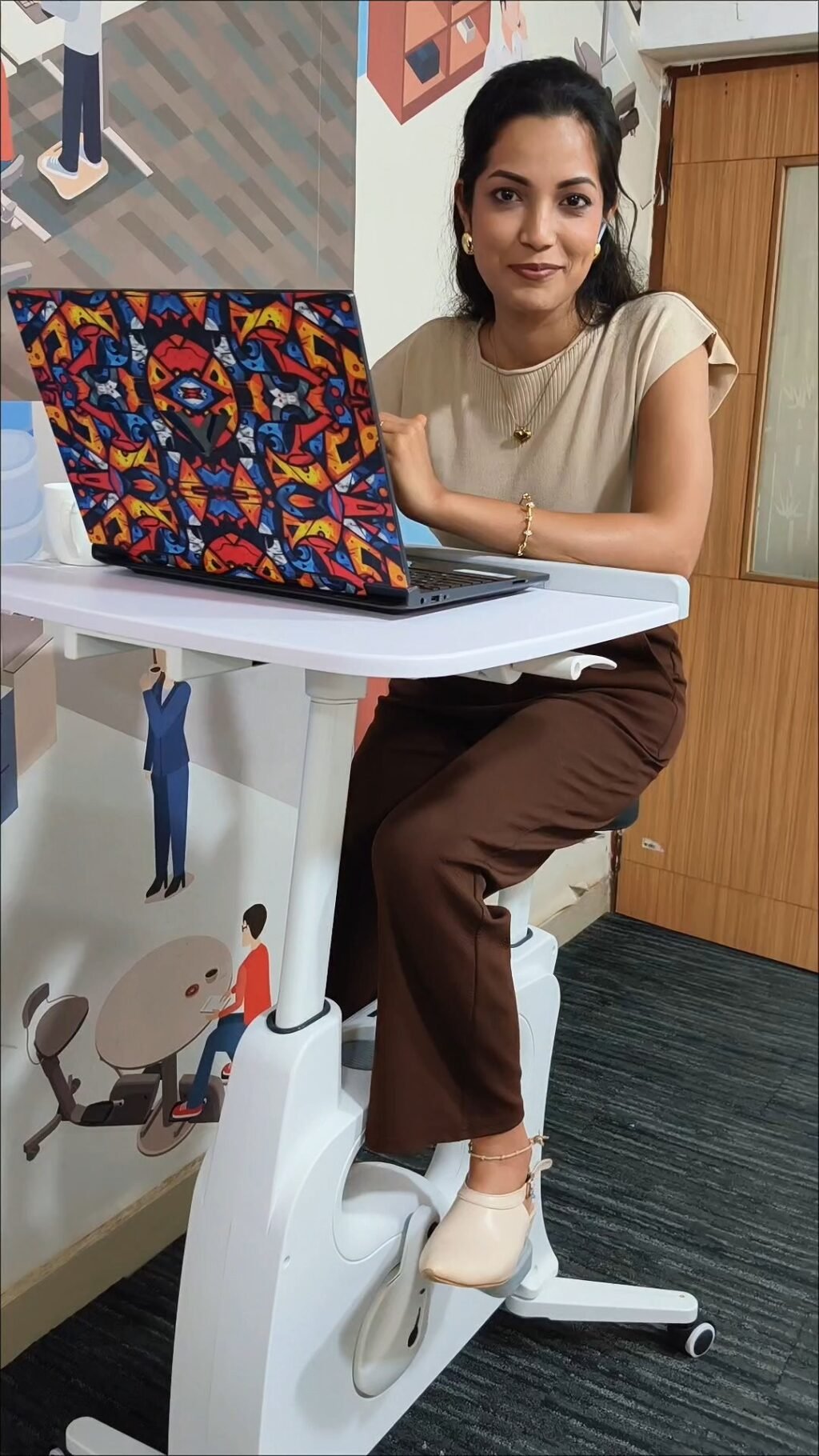
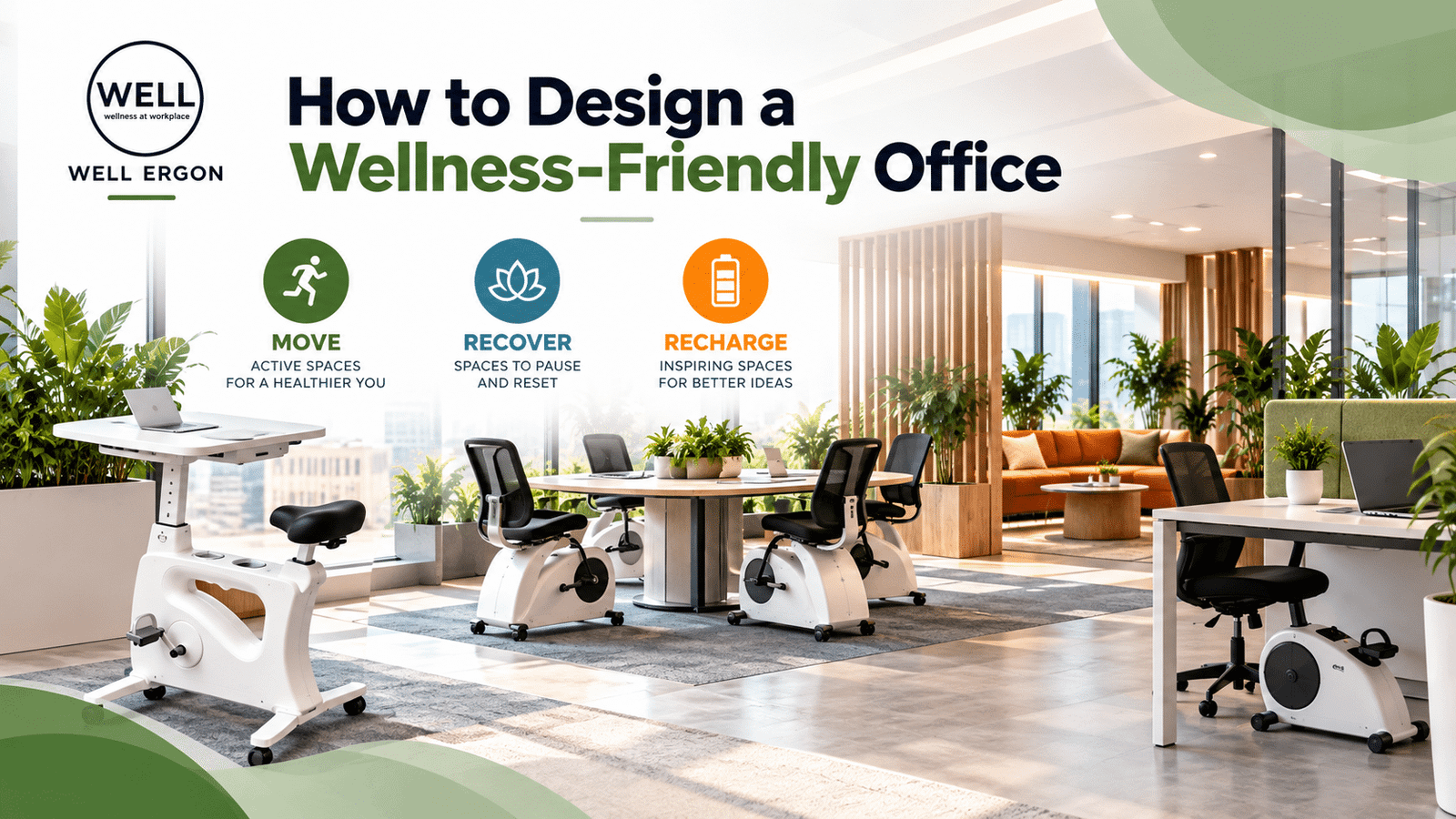
Under Desk Bikes: These allow for low-impact movement that doesn’t distract from deep work.
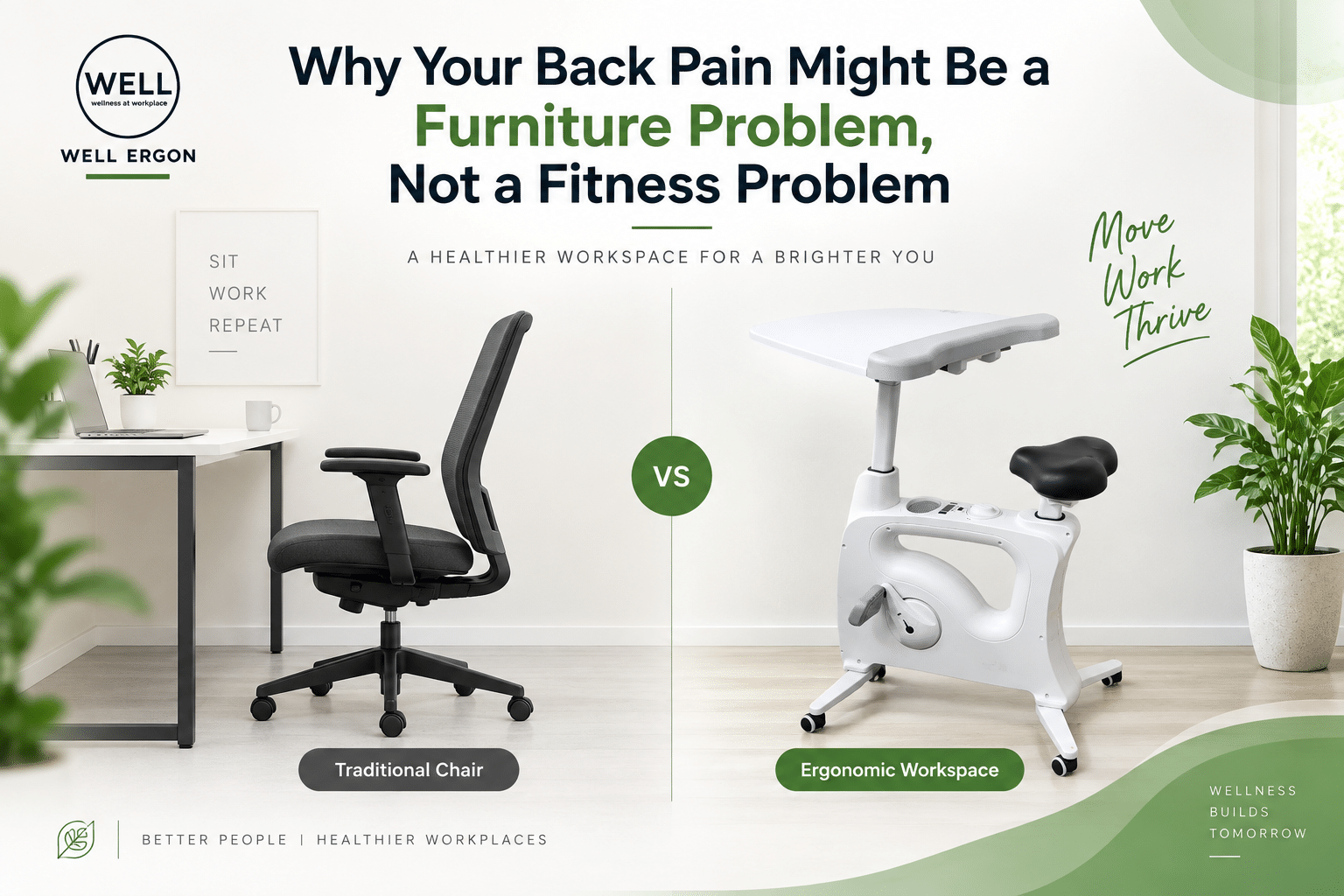
Ergonomic Seating: If you must sit, use a chair that supports the natural curve of the spine and encourages active sitting.
Team Activities
Walking Meetings: For 1 on 1s, walk around the block or the office perimeter.
Wellness Challenges: Use apps to track steps and create friendly competition among departments.
Group Stretching: Dedicate five minutes before a big meeting for a collective movement break.
7. Role of Ergonomic Furniture in Active Work Life
The environment dictates behavior. You cannot expect employees to be active if they are confined to furniture that forces them to stay still. Movement friendly furniture is the backbone of the modern office.
| Furniture Piece | Benefit |
| Height Adjustable Tables | Allows users to transition from sitting to standing in seconds. |
| Desk Exercise Bikes | Integrates cardio into the workday without leaving the desk. |
| Treadmill Desks | Perfect for slow paced walking during emails or reading. |
| Ergo Balls/Active Stools | Engages core muscles and improves balance while working. |
Investing in these tools isn’t a luxury, it’s a fundamental shift in how we provide for the human element of a business.
8. How Companies Can Build an Active Work Culture
Building an active culture requires more than just buying a few standing desks, it requires a shift in mindset from the top down.
Leadership Support: When managers take walking meetings and stand during presentations, it gives permission for everyone else to do the same.
Wellness Policies: Incentivize activity. Offer gym memberships or rewards for meeting step goals.
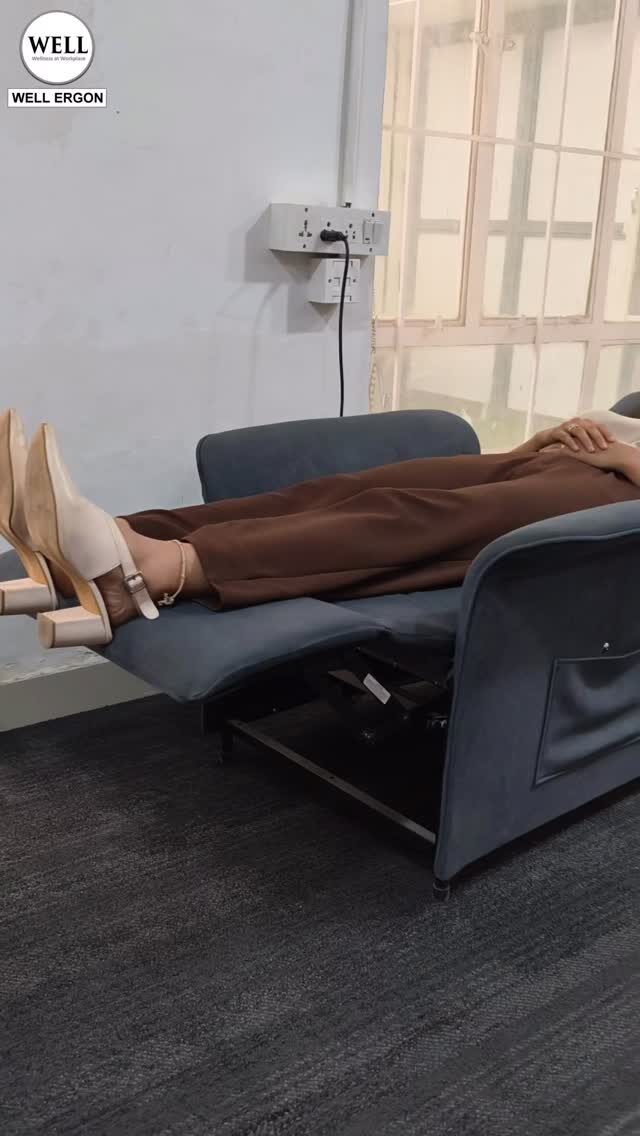
Office Design Changes: Create zones for different types of work, some for quiet sitting, others for collaborative standing.
Employee Engagement Programs: Host workshops on ergonomics and the importance of movement to educate the workforce.
9. Active Work Life in Indian Workspaces
India is currently witnessing a massive transformation in corporate culture. The IT sector and the burgeoning startup ecosystem in cities like Bangalore, Pune and Gurgaon are leading the charge.
Historically, the Indian workspace was defined by rigid hierarchies and long, stationary hours. However, the influence of global wellness standards is changing that. Corporate offices in India are now prioritizing wellness driven office designs, incorporating breakout zones, huddle spaces and ergonomic furniture as standard features. This shift is driven by a young workforce that values health and work-life balance over traditional perks.
10. How WellErgon Supports Active Work Life
At WellErgon, we understand that the future of work is dynamic. We don’t just sell furniture, we provide solutions for a better life.
Ergonomic Furniture: Our range of height adjustable desks and specialized seating is designed to cater to the unique needs of the modern professional.
Active Workplace Solutions: We help companies assess their current environment and implement changes that foster a culture of movement.
Empowering Productivity: By focusing on the physical well being of the user, our products naturally lead to higher concentration levels and better output.
We believe that a desk should be a tool for health, not a source of pain.
11. Practical Tips to Get Started
If you are feeling overwhelmed, remember that consistency beats intensity. You don’t have to change everything overnight.
Start Small: Aim for just 10-15 minutes of movement during your workday at first.
Set Reminders: Use your phone or a stand up app to nudge you every hour.
Combine Work + Movement: Take your easiest tasks, like checking notifications or reading a report and do them while standing.
Track Progress: Use a smartwatch to monitor how often you stand. Seeing the data can be highly motivating.
12. Future of Work – Active and Wellness Driven
The office of 2030 will look nothing like the office of 2010. With the rise of hybrid work and flexible workspaces, the focus is shifting away from hours at a desk toward quality of output.
In this new landscape, wellness is becoming a standard, not a luxury. Companies that fail to provide an active, healthy environment will struggle to attract top tier talent. The future belongs to the Active Office, a space where human health and corporate goals are perfectly aligned.
13. Conclusion
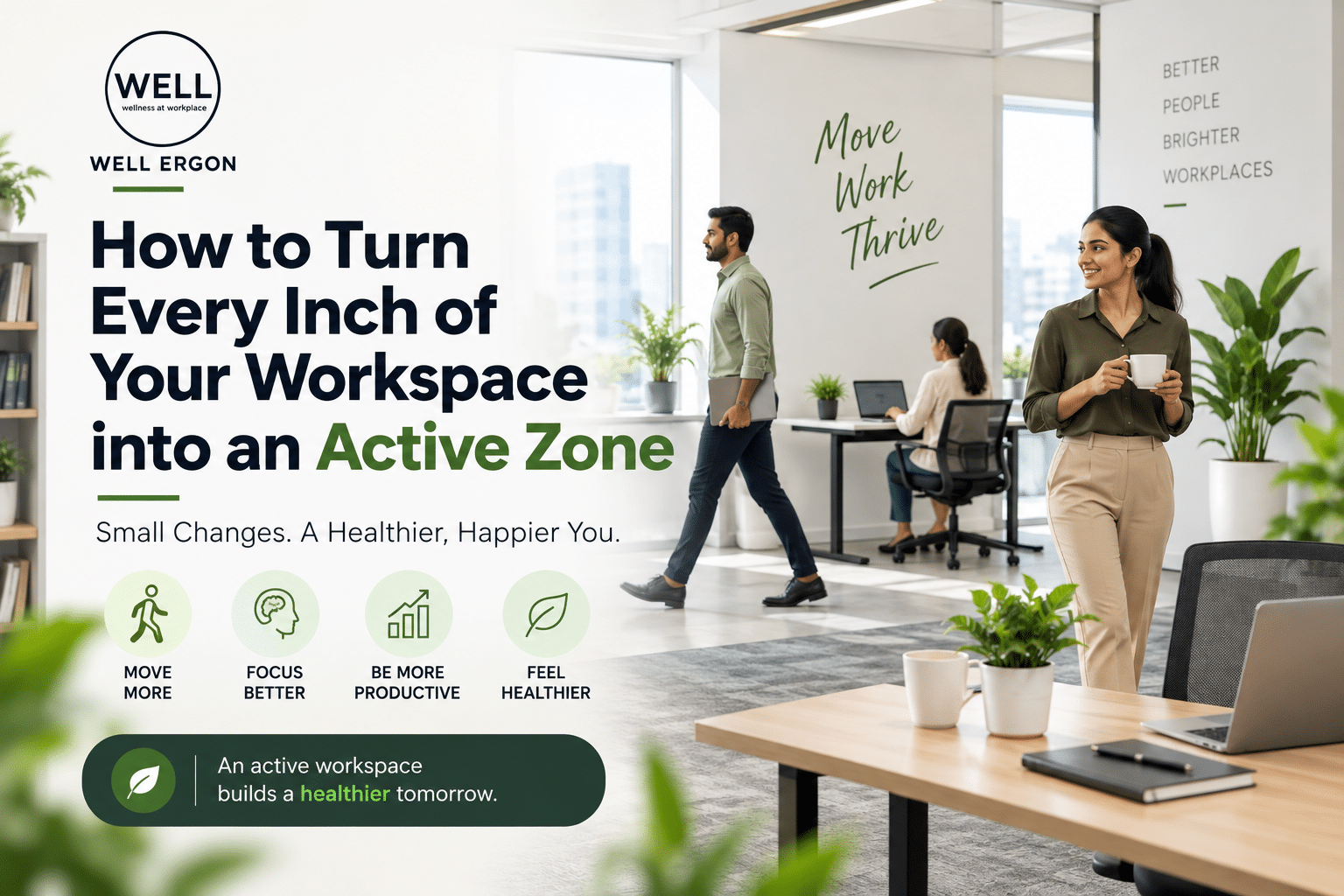
An Active Work Life is the ultimate win win. It delivers physical health, mental clarity, and peak productivity. By making small, intentional changes, choosing the stairs, standing during a call, or investing in ergonomic furniture, you are making a long term investment in your most valuable asset: yourself.
Don’t wait for a back injury or burnout to make a change. The transition to a healthier, more vibrant work life starts with a single step, literally.
Start promoting an active work life today with smarter workplace wellness solutions. Explore the WellErgon range and transform the way you work!