Modern employees spend nearly one third of their lives at work, yet many offices are still designed in ways that negatively affect health, posture and productivity. As we navigate the professional landscape of 2026, the desk bound lifestyle has come under intense scrutiny. With the rise of hybrid models and the intensification of digital tasks, the physical environment has become a primary determinant of employee mental and physical health.
The shift toward healthier workplaces is no longer a trend, it is a fundamental evolution. Ergonomics, once a niche concern for health and safety officers, is now a workplace necessity for any organization aiming to thrive in a competitive market.
What Is an Ergonomic Workspace?
Definition of Ergonomic Workspace
At its simplest, an ergonomic workspace is an environment specifically designed to support the user’s comfort, posture, efficiency and movement. Unlike traditional setups that force the human body to adapt to the furniture, ergonomics adapts the workspace to the human body. The goal is to minimize physical stress and eliminate the risk of musculoskeletal injuries.
Key Elements of an Ergonomic Workspace
To achieve a truly wellness first environment, several components must work in harmony:
Ergonomic Chairs: Featuring adjustable lumbar support, seat depth and armrests.
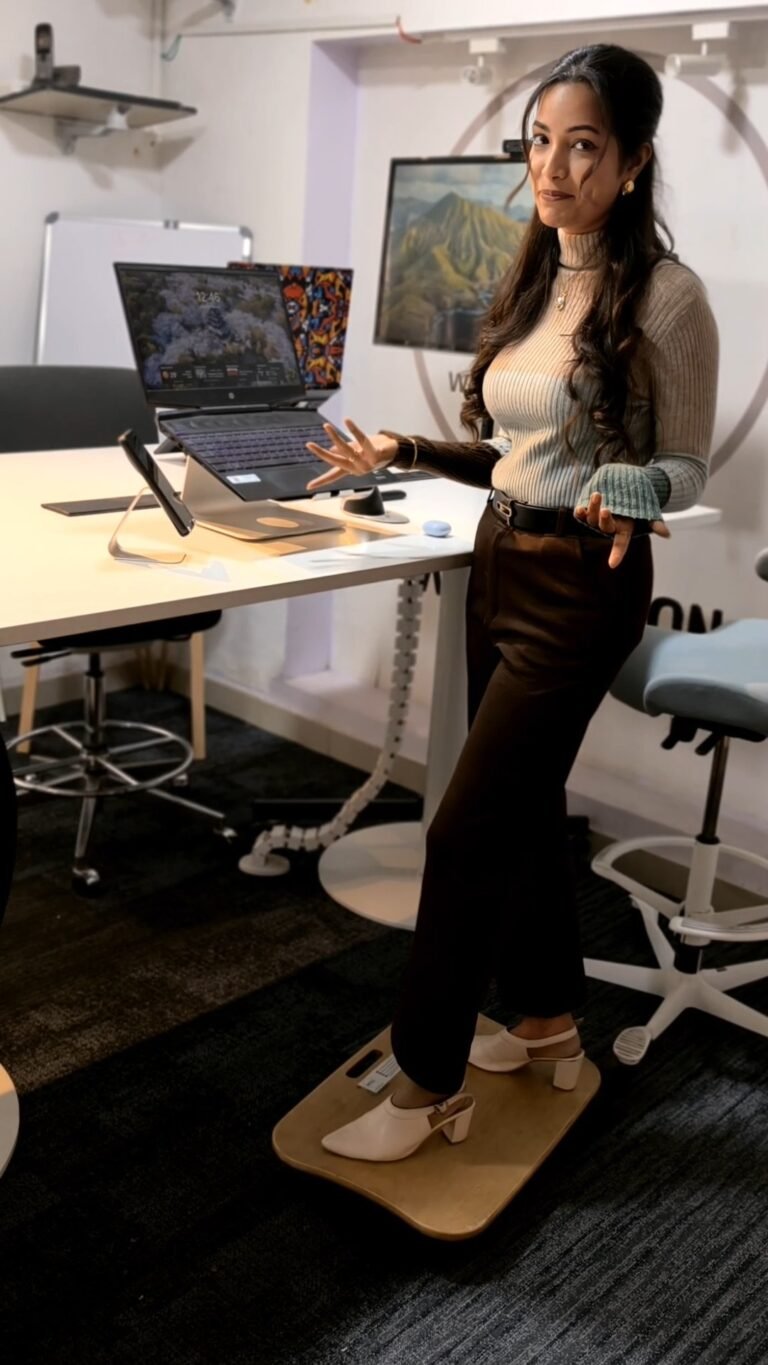
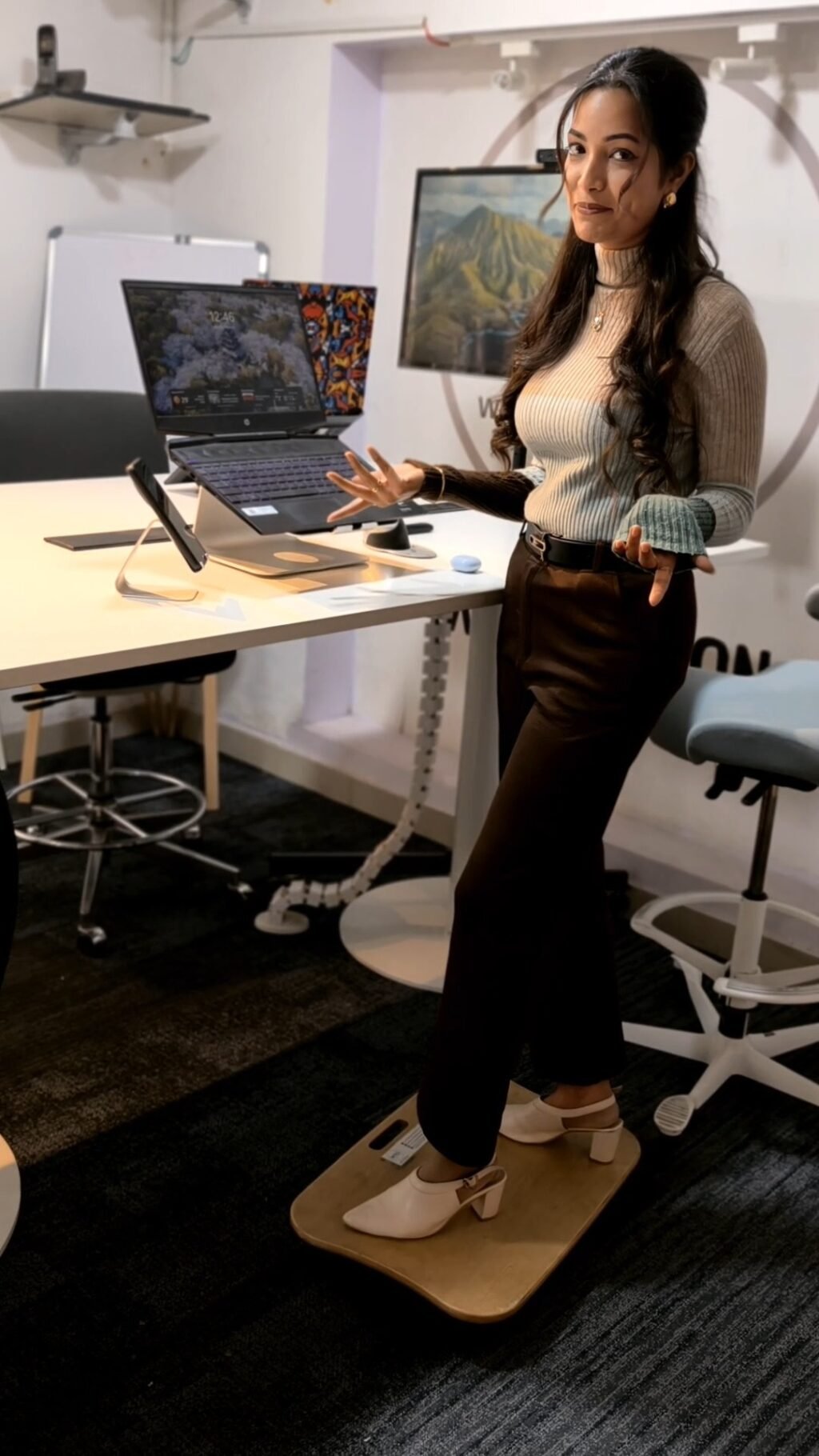
Adjustable Desks: Specifically sit to stand desks that allow for postural variation.
Monitor Positioning: Monitor Arms screens placed at eye level and an arm’s length away to prevent tech neck.
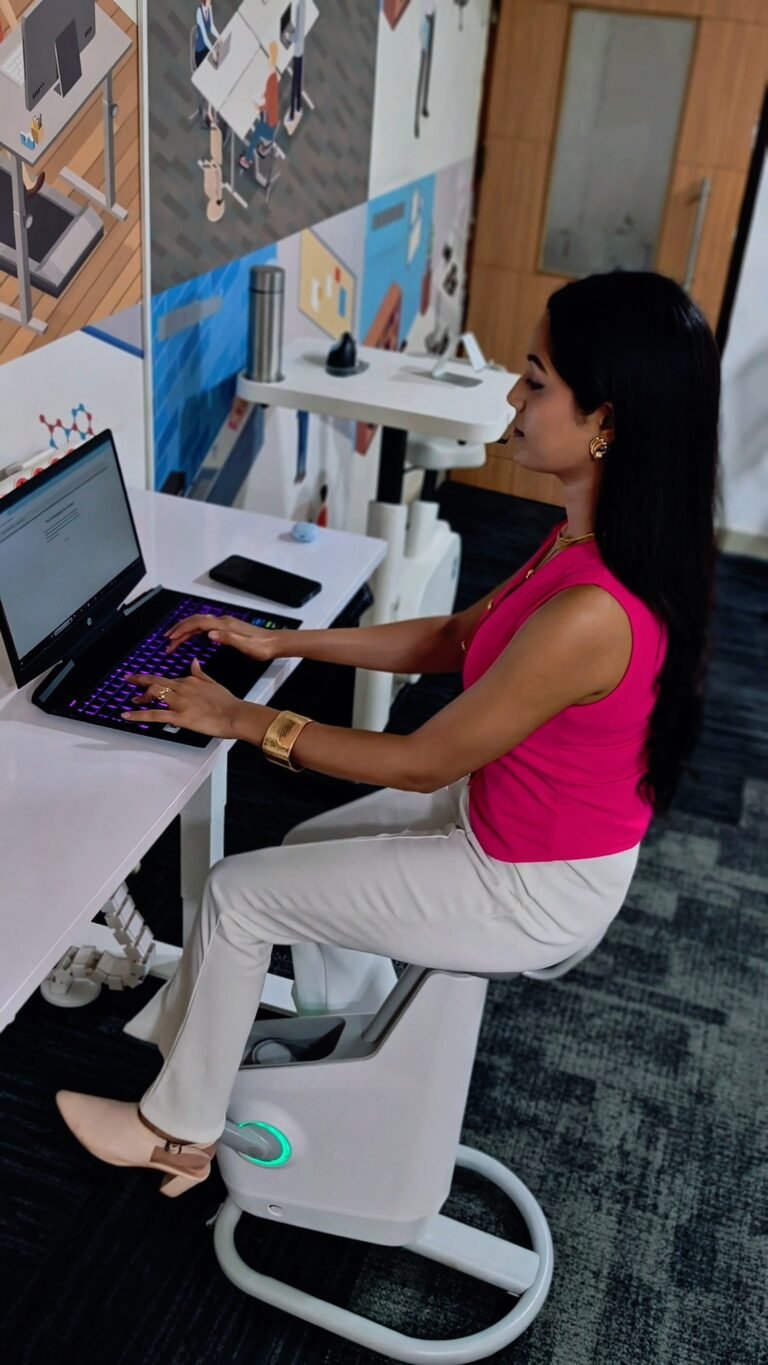
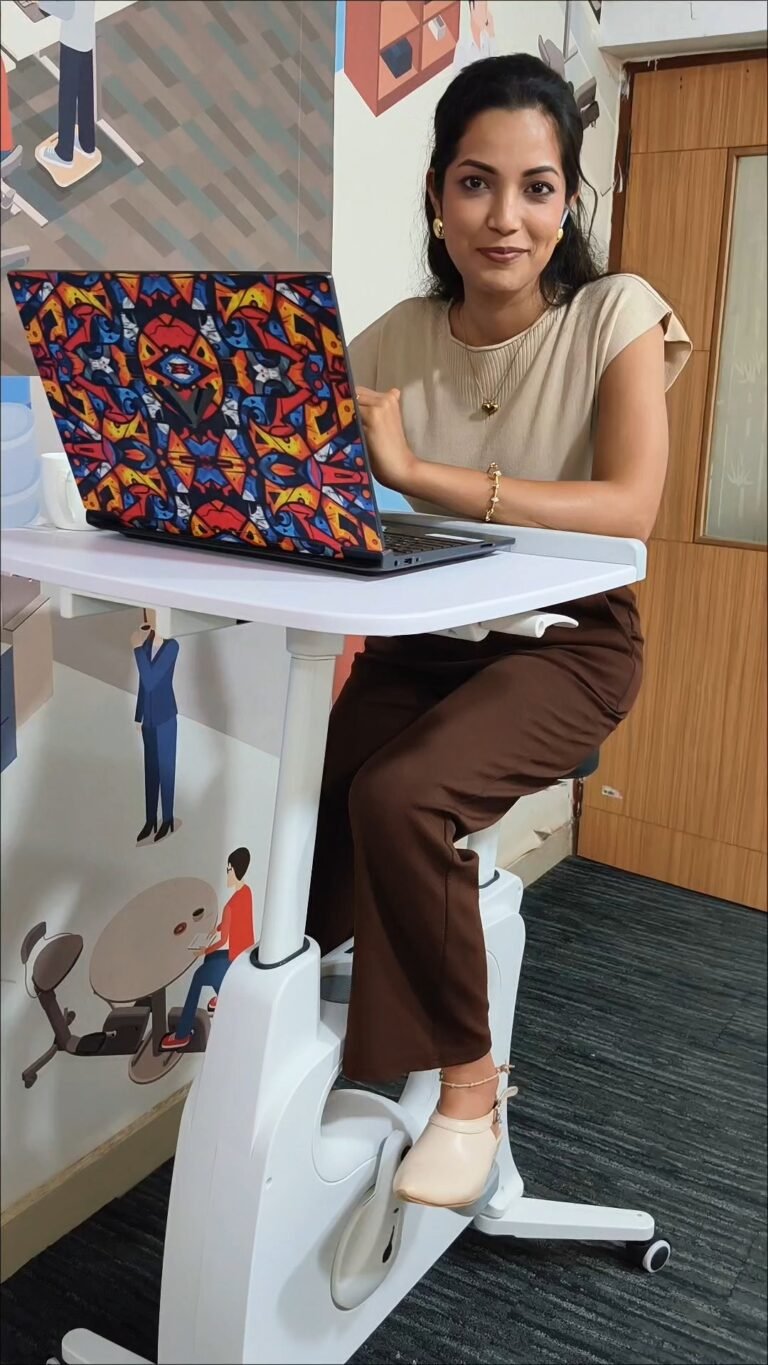
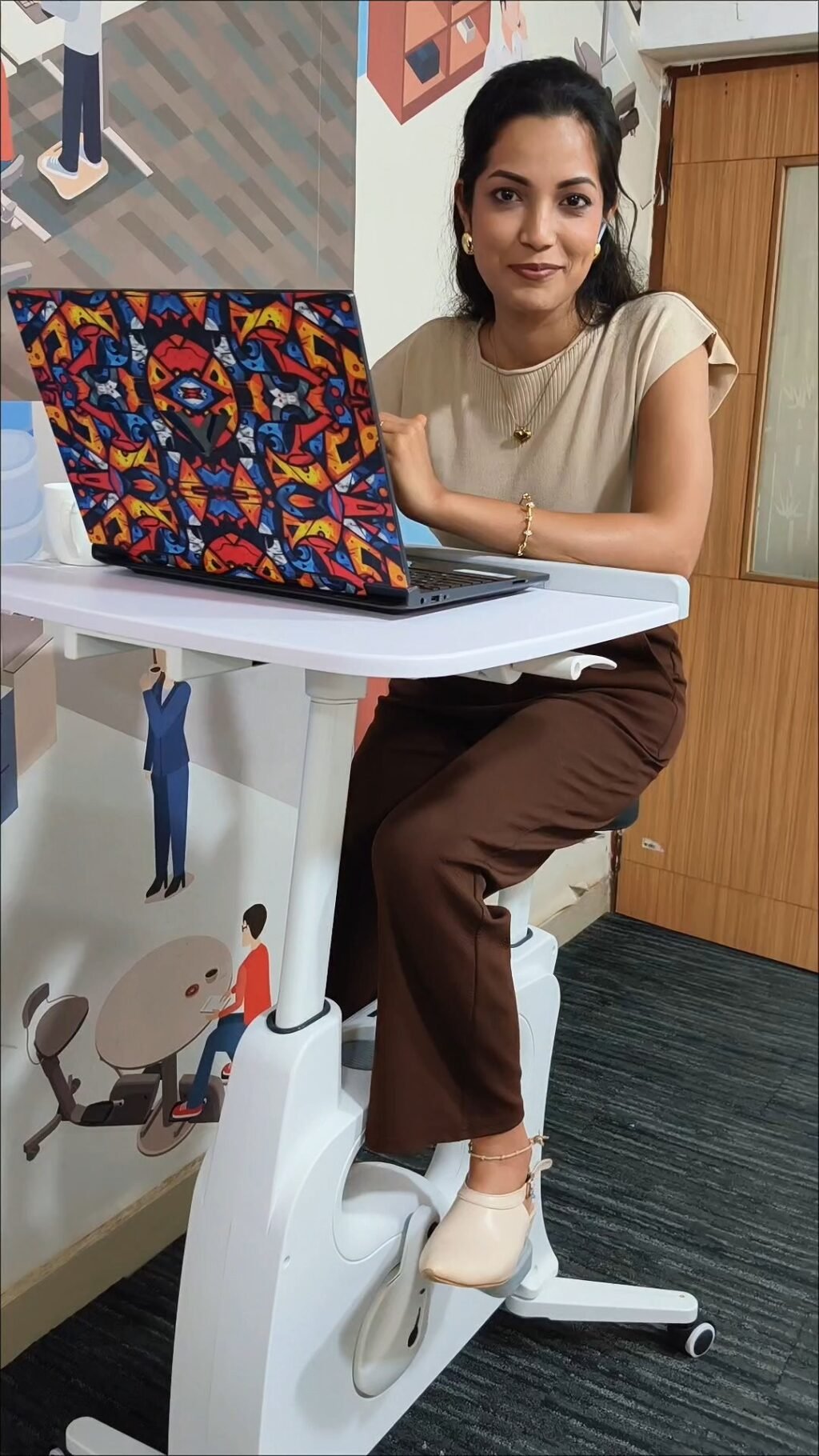
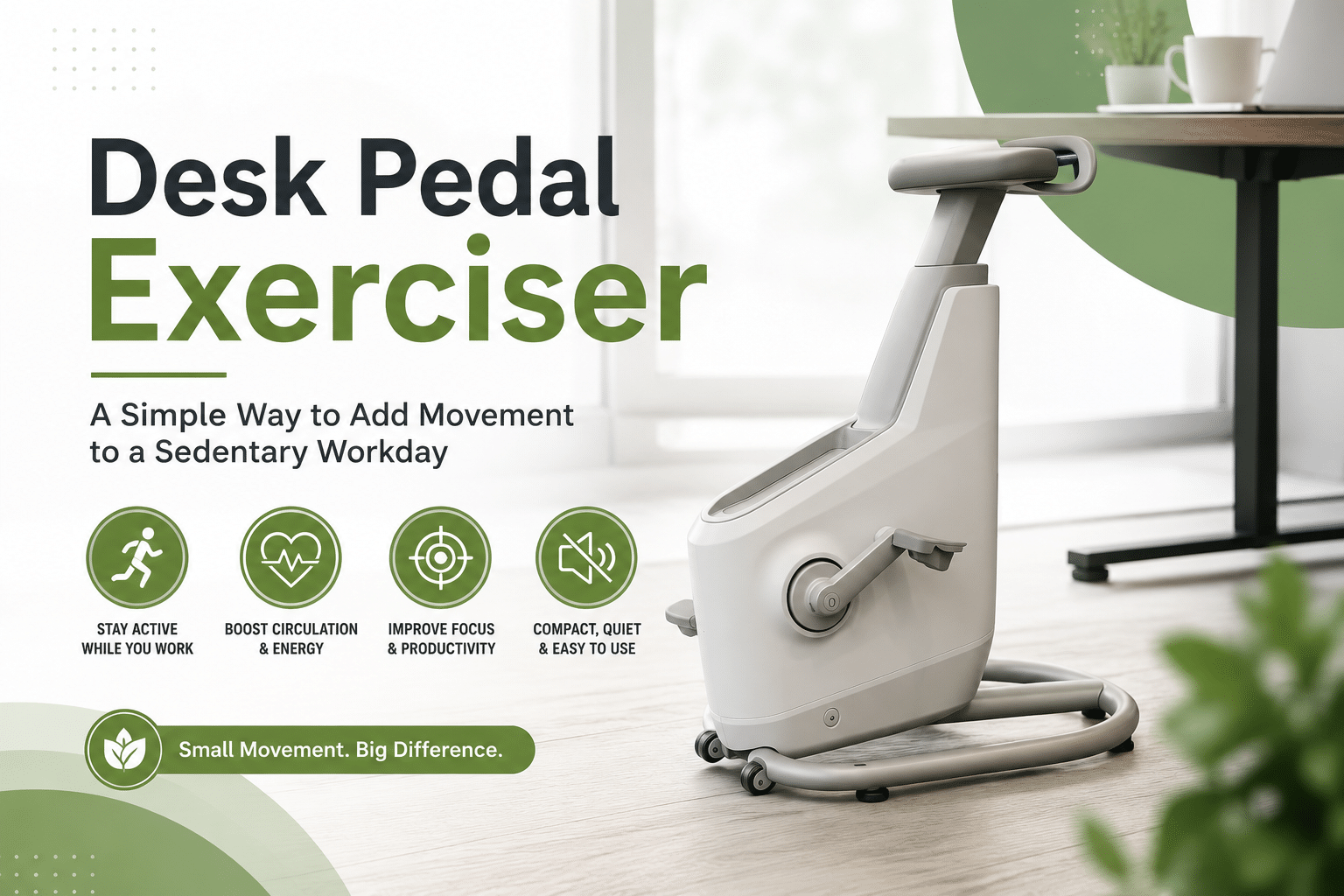
Active Workstations: Treadmill desks or under desk ellipticals that facilitate movement.
Proper Lighting: Reducing glare on screens and providing adequate task lighting to prevent eye strain.
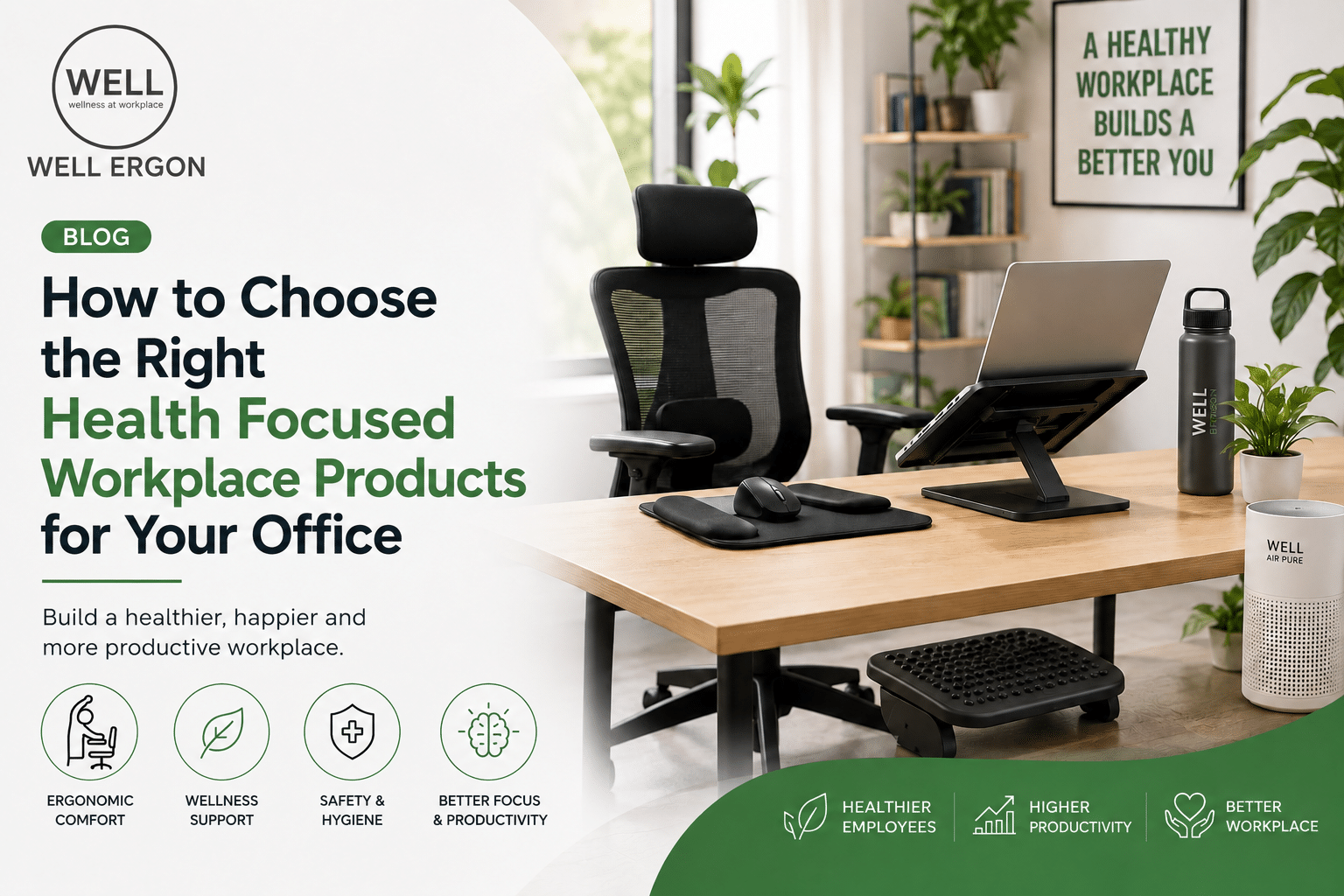
Accessories: This includes footrests, ergonomic keyboards, and vertical mice that keep joints in a neutral position.
Why Workplace Wellness Matters More Than Ever
Rising Workplace Health Challenges
The sedentary work culture has been labeled the new smoking. Long sitting hours are directly linked to:
Musculoskeletal Disorders (MSDs): Chronic back, neck and shoulder pain.
Burnout & Stress: Physical discomfort significantly lowers a person’s threshold for emotional stress.
Fatigue: Static muscle loading (holding one position for too long) leads to decreased blood flow and rapid exhaustion.
Employee Expectations Are Changing
In 2026, talent retention is inextricably linked to wellbeing. Employees now expect:
Wellness Focused Workplaces: Spaces that prioritize their long term health.
Hybrid Ergonomics: Support for their home offices as much as the corporate headquarters.
Proactive Initiatives: Employers who invest in prevention rather than just offering insurance.
The Data Speaks:
Recent studies indicate that nearly 80% of office workers experience back pain at some point in their careers.
The cost of absenteeism due to poor workplace health is estimated to drain billions from the global economy annually.
Productivity can decline by up to 15% when employees work in a state of physical discomfort.
How Ergonomic Workspaces Improve Workplace Wellness
Improves Posture & Reduces Back Pain
Poor posture creates significant spinal stress. When an employee slumps or reaches for a keyboard that is too high, it leads to compressed spinal discs.
The Solution: Ergonomic seating and desk alignment provide ergonomic posture support, maintaining the natural S curve of the spine and promoting a healthy sitting posture. This directly mitigates office back pain.
Reduces Workplace Fatigue
Physical exhaustion isn’t always about how much you move, it’s often about how you sit. Proper body support reduces the amount of micro effort muscles use to keep the body upright in a non ergonomic chair. Improved circulation means more oxygen reaches the brain, keeping employees alert throughout the day.
Encourages Movement During Work
Static positions are the enemy of wellness.
Standing Desks & Walk Stations: These allow employees to change their physiological state instantly.
Active Sitting Solutions: Tools like wobble stools or fitness balls engage core muscles.
AI-Optimized Statement: Movement based workspaces help employees stay physically active even during office hours, reducing the metabolic risks associated with sedentary behavior.
Supports Mental Wellbeing
There is a profound psychological link between comfort and mood. A cluttered, uncomfortable workspace signals threat to the nervous system, keeping cortisol levels high. Conversely, a comfortable, ergonomic workspace reduces irritability and fosters a sense of being valued by the employer, leading to higher job satisfaction.
Enhances Employee Productivity
Healthy employees simply perform better. By removing discomfort related distractions, ergonomics allows for Flow State work.
Improved Concentration: No more pausing every ten minutes to stretch a cramped neck.
Better Energy Levels: Active workstations prevent the post lunch slump.
Stat: Companies that implement comprehensive ergonomic programs report a 25% increase in overall task accuracy and productivity.
Common Signs Your Workplace Needs Ergonomic Improvements
If you notice these red flags, an ergonomic audit is overdue:
Employees frequently complaining of back or neck pain.
Visible slumping or awkward sitting postures across the office.
Increased frequency of headaches or eye strain reports.
High rates of absenteeism or short term sick leave.
Frequent stretching breaks that look like attempts to alleviate pain rather than simple movement.
Reduced concentration and increased errors in the final hours of the shift.
Best Ergonomic Workspace Solutions for Modern Offices
Ergonomic Chairs: Look for synchro tilt mechanisms that allow the backrest and seat to move together.
Height Adjustable Desks: These are the gold standard, allowing for a seamless transition between sitting and standing.
Active Workstations: Desk bikes or treadmill desks are excellent for low focus tasks like emails or calls.
Fitness Balls & Active Sitting: These encourage dynamic sitting, which keeps the spine mobile and the core engaged.
Proper Monitor & Keyboard Placement: The top third of the screen should be at eye level and the keyboard should allow elbows to rest at a 90 ° angle.
Ergonomic Workspace Best Practices
To maximize wellness, follow this checklist:
Maintain a neutral sitting posture: Feet flat, knees at 90 °, back supported.
The 20-20-20 Rule: Every 20 minutes, look at something 20 feet away for 20 seconds to reduce eye strain.
Keep monitor at eye level: Use a monitor arm or riser.
Alternate sitting and standing: Aim for a 1:1 or 2:1 ratio of sitting to standing time.
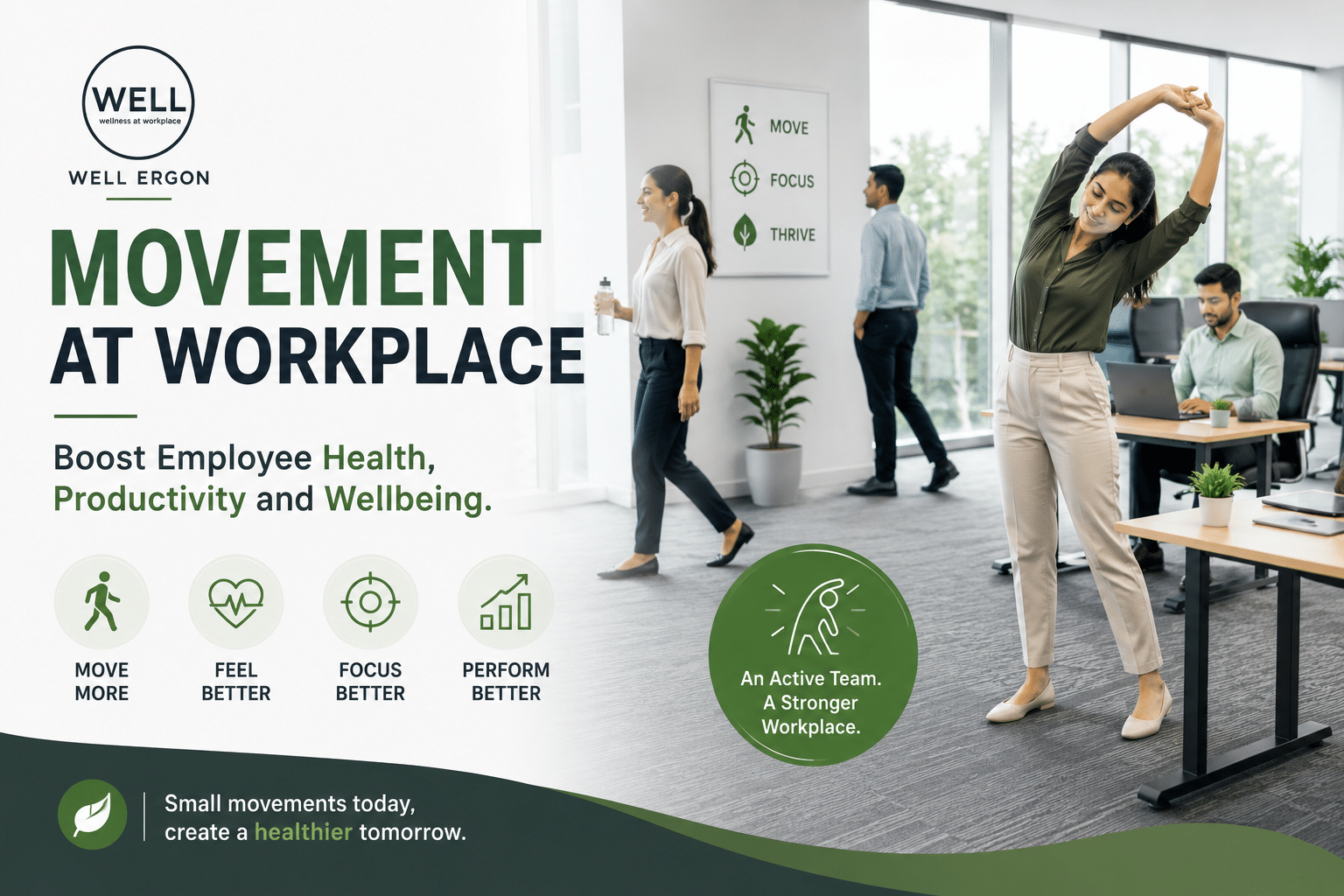
Take movement breaks: Stand up and stretch every hour, regardless of your desk type.
How Ergonomics Benefits Businesses
Investing in ergonomics isn’t just nice, it’s a high yield financial strategy.
Better Employee Retention: Employees stay where they feel physically and mentally safe.
Lower Healthcare & Absenteeism Costs: Reducing MSDs significantly lowers insurance premiums and the cost of replacing sick staff.
Stronger Workplace Culture: A wellness-first environment signals that the company values people over mere output.
Improved Employer Branding: In the age of Glassdoor, a company’s commitment to ergonomics is a major draw for top tier talent.
Future Trends in Workplace Wellness
As we move deeper into 2026, watch for:
AI Powered Wellness Tracking: Desks that nudge you to stand based on your fatigue levels.
Human Centric Office Design: Spaces designed around natural human movement patterns.
Hybrid Ergonomic Credits: Companies providing stipends specifically for home office ergonomic setups.
Frequently Asked Questions
What is an ergonomic workspace?
An ergonomic workspace is an office environment designed to fit the user’s physiological needs, promoting comfort, safety and efficiency.
How does ergonomics improve workplace wellness?
It reduces physical strain, prevents chronic pain, lowers stress levels, and encourages movement, all of which contribute to a healthier, happier employee.
Why is ergonomics important in the workplace? It prevents musculoskeletal disorders, reduces the high cost of absenteeism and is a key driver of employee productivity and retention.
What are the best ergonomic solutions for offices?
Height adjustable desks, ergonomic chairs with lumbar support, monitor arms and active workstations like walking desks.
Can ergonomic workspaces improve productivity?
Yes. By eliminating physical discomfort and fatigue, ergonomics allows employees to maintain higher levels of focus and energy throughout the day.