1. What Makes an Office Wellness Friendly?
A wellness friendly office isn’t simply an office with a gym, a few plants, or comfortable chairs. Those elements help, but they don’t on their own change how people experience their workday.
A genuinely wellness friendly workplace is one that encourages employees to:
- Move throughout the day
- Change posture and environment
- Take meaningful breaks
- Access spaces for physical activity
- Recover between demanding tasks
- Work comfortably and efficiently
Here’s the key idea this article is built around: a wellness friendly office doesn’t necessarily require more space. It requires using the space you already have more intentionally.
That’s the foundation for everything that follows, starting with the wasted corners, underused rooms, and dead zones most offices already contain.
2. Start With Your Existing Office Layout
Before buying any wellness furniture, it’s worth taking a clear eyed look at the space you already have.
Identify Underused or Wasted Spaces
Most offices have more unused square footage than they realize. Common candidates include:
- Empty corners
- Unused meeting room areas
- Oversized reception areas
- Dead space between workstations
- Underused breakout areas
- Empty areas near windows
- Spaces currently used only for storage
- Large circulation areas that could accommodate movement solutions
Ask the Right Questions
Before deciding what to install, it helps to ask:
- Which areas are rarely used?
- Where do employees naturally take breaks already?
- Where can movement equipment be placed safely?
- Which areas have enough clearance?
- Can an existing space serve more than one purpose?
3. Turn Wasted Space Into a Movement Zone
What Is a Workplace Movement Zone?
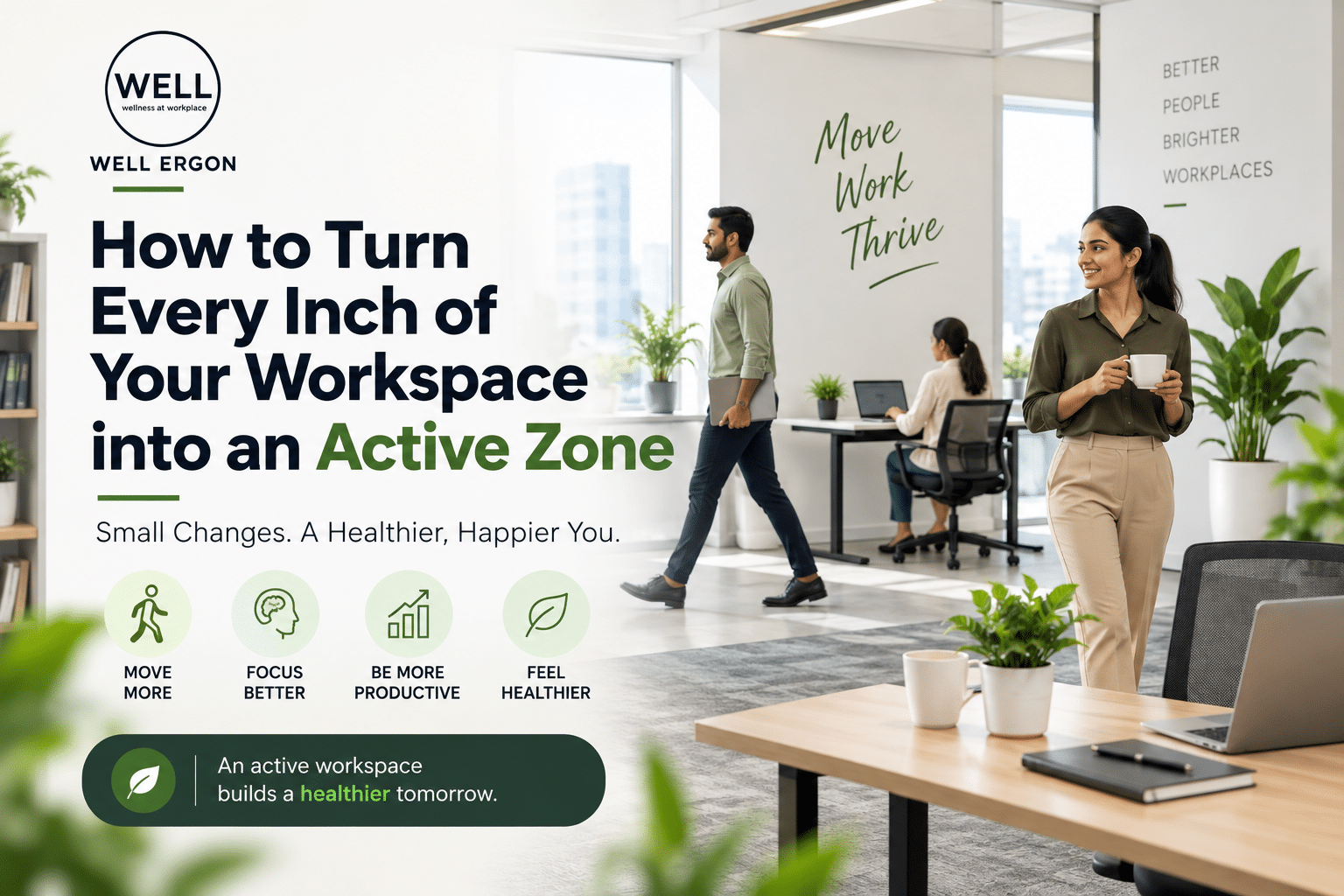
A movement zone at workplace is a designated area within the workplace where employees can incorporate light physical activity, change their posture, or take an active break, without leaving the building or disrupting their workday.
From Dead Space to Active Space
The transformation is usually simpler than it sounds:
Unused corner → Small movement area → Cycle station or active workstation → Employee movement opportunity
You Don’t Always Need a Separate Wellness Room
This is one of the most practical ideas in workplace wellness design: organizations can start small.
- A 5 -10 sq. ft. corner can become an individual movement solution
- An underused breakout area can become a shared cycle station
- An existing workstation can become an active workstation
This makes workplace wellness feel achievable, something you can build incrementally, rather than something dependent on a major office renovation.
4. Create Different Types of Wellness Zones
Instead of putting every wellness solution into a single room, it’s more effective to divide the office by purpose.
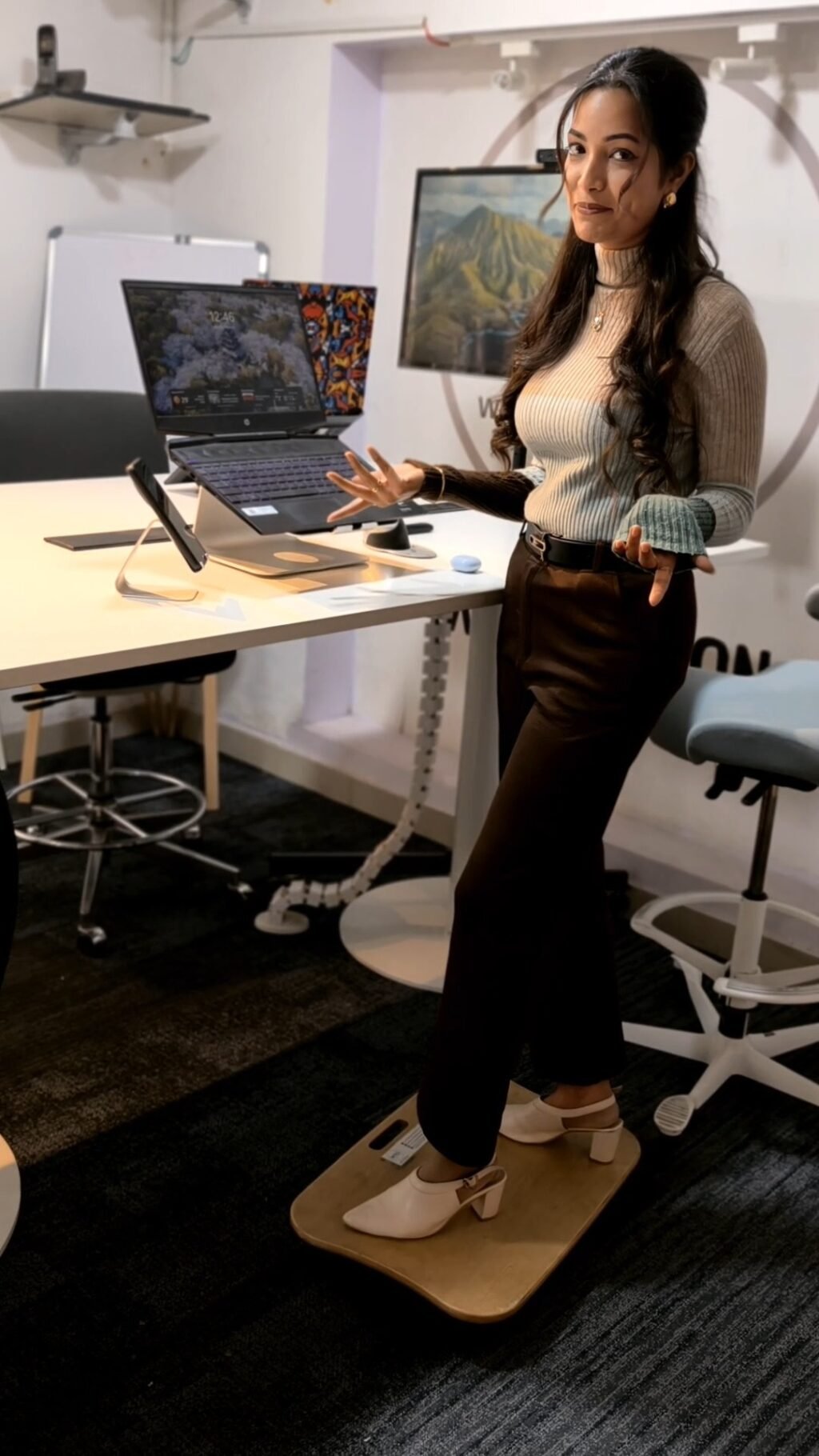
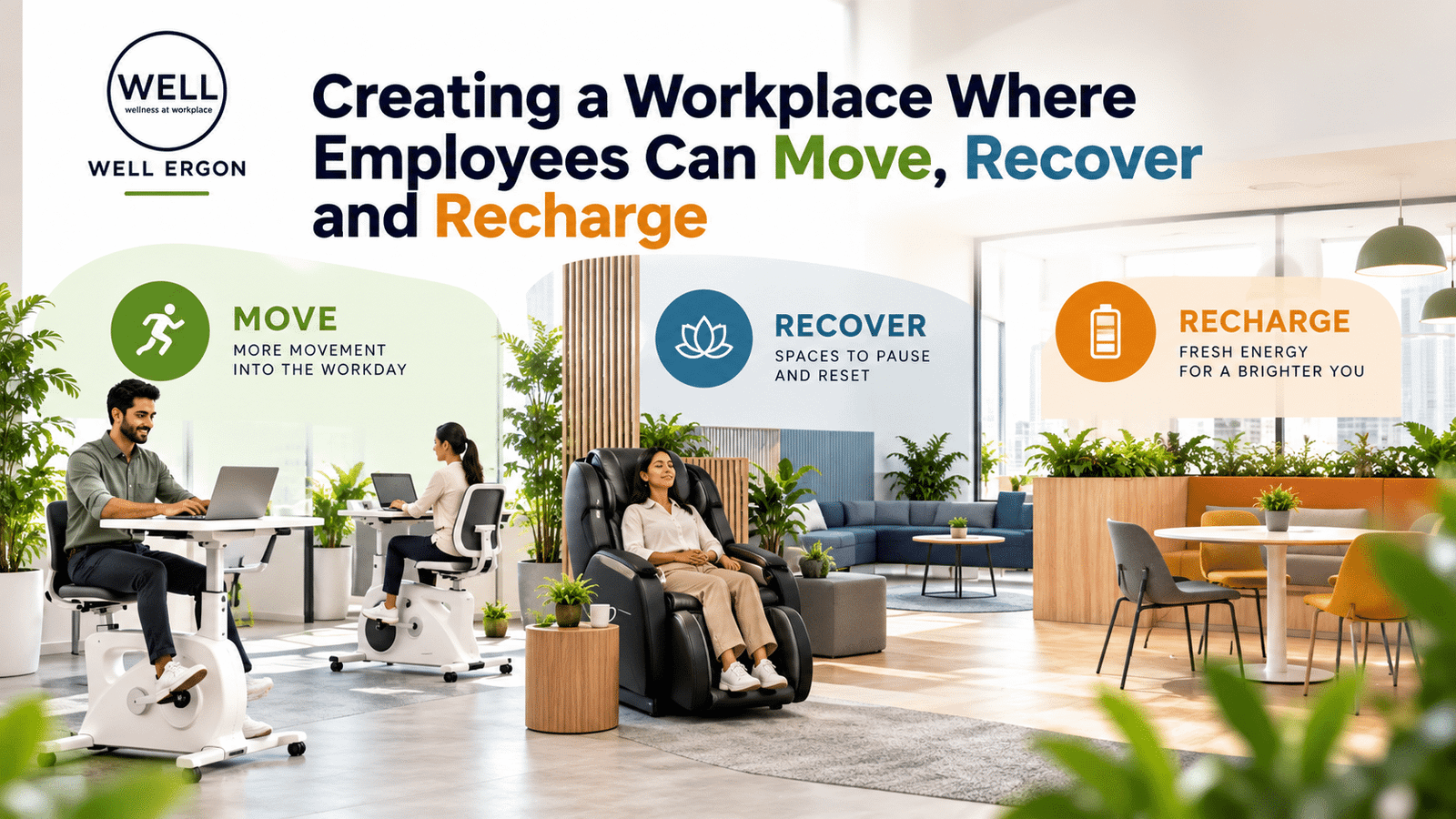
Zone 1 – Move
Purpose: Encourage everyday movement.
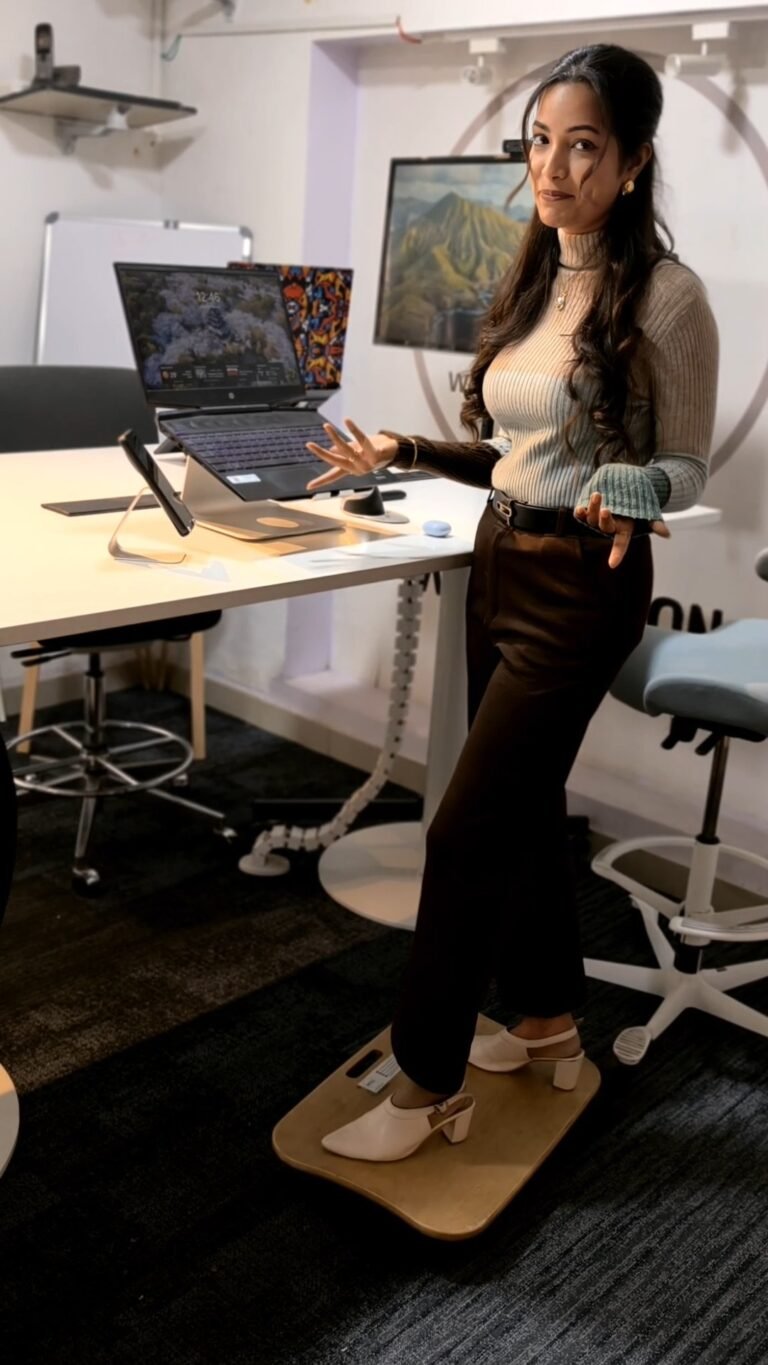
Possible solutions: desk exercise bikes, cycle stations, walking areas, standing workstations, structured movement breaks.
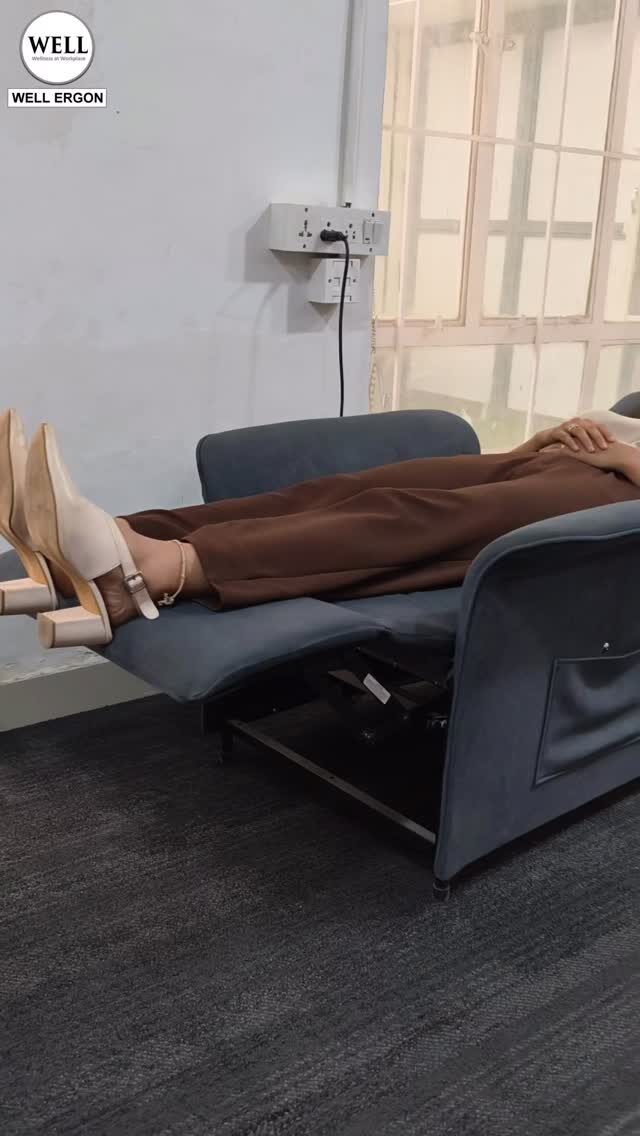
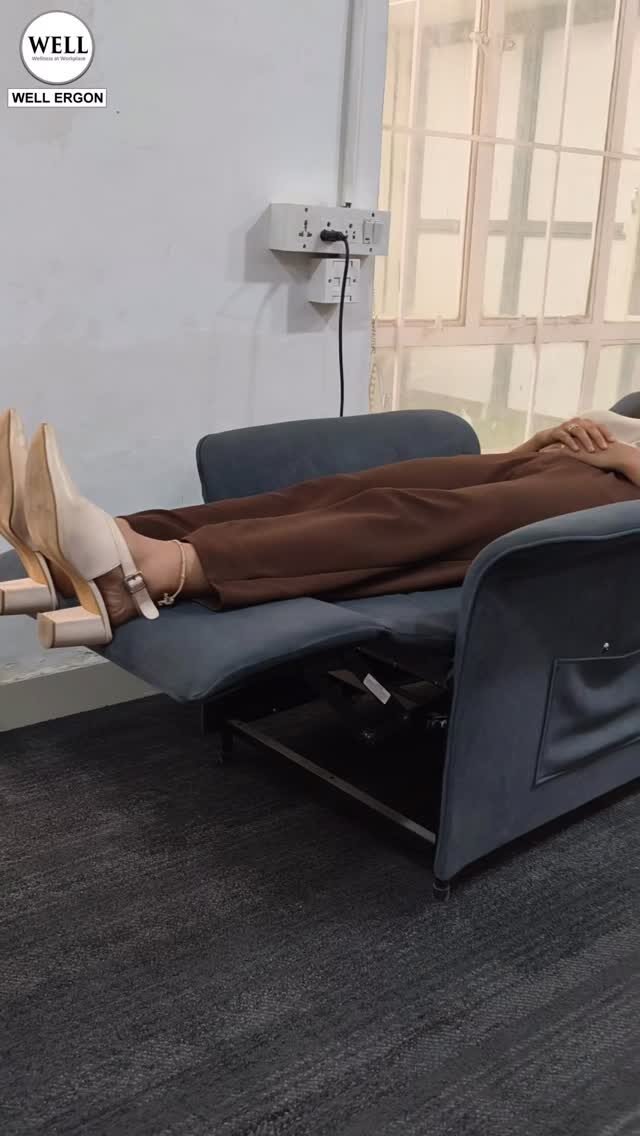
Zone 2 – Recover
Purpose: Give employees an opportunity to pause and reset.
Possible elements: comfortable lounge seating, quiet areas, relaxation furniture, low-stimulation spaces.
Zone 3 – Recharge
Purpose: Help employees change environment and return to work refreshed.
Possible elements: breakout spaces, social areas, flexible seating, wellness corners.
5. Add Active Workstations to the Office
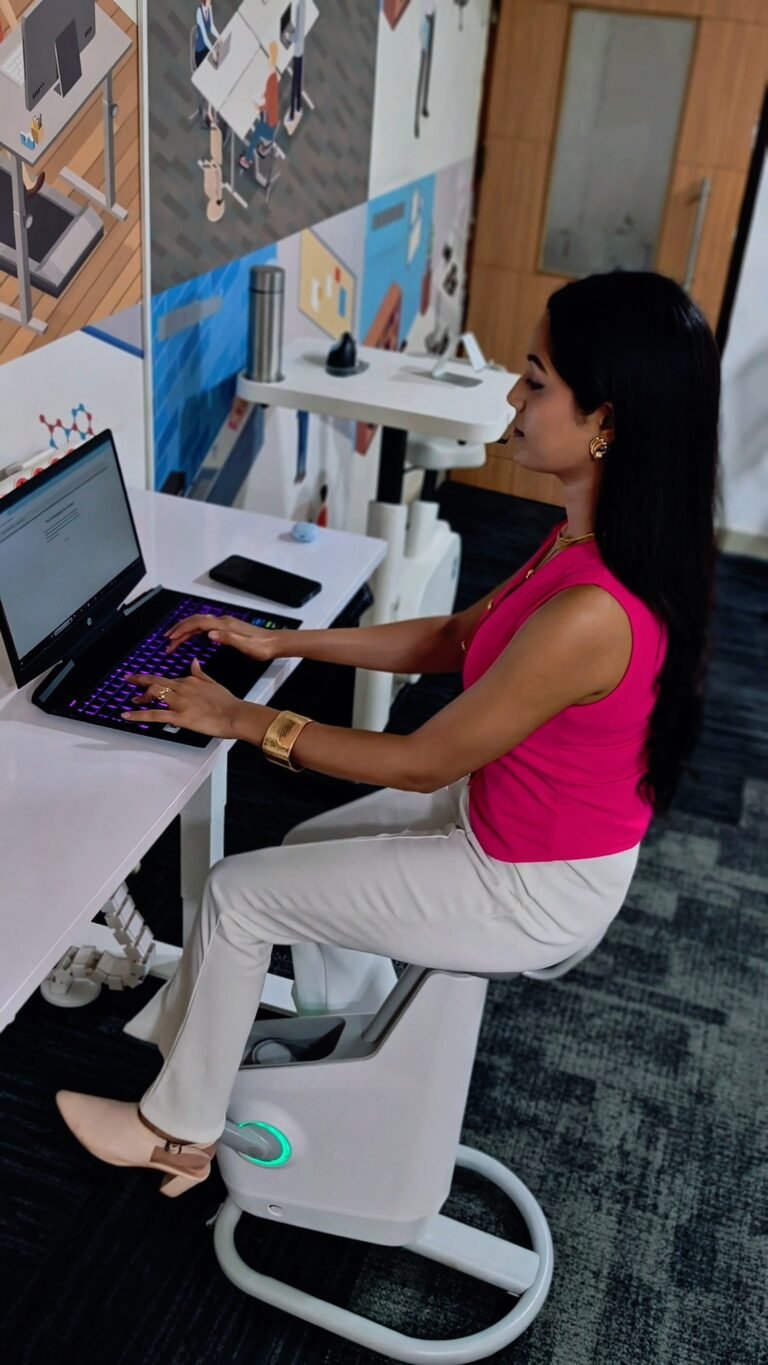
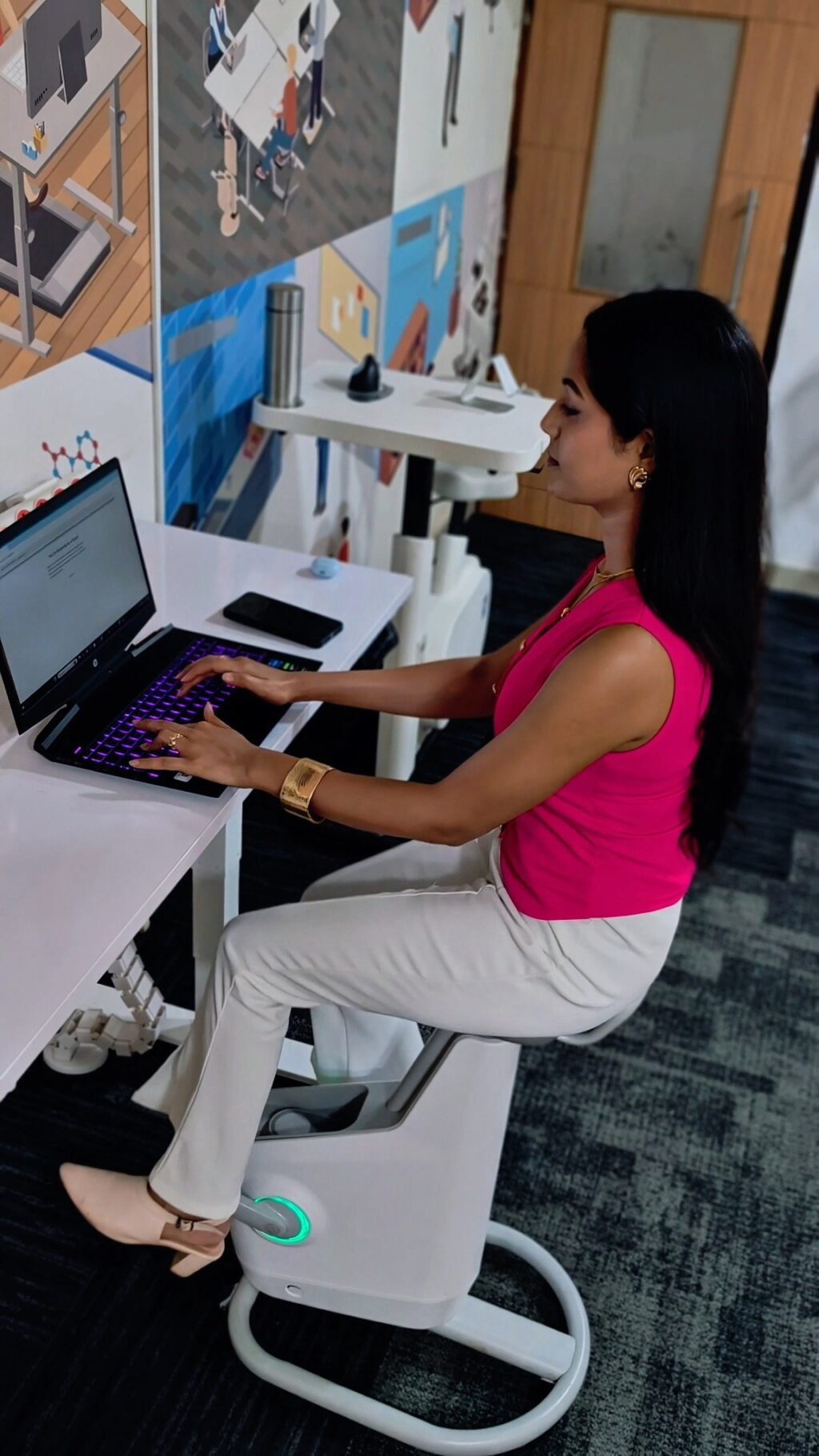
Charge Up Bike EB 10, Turn a Workstation Into an Active Workspace
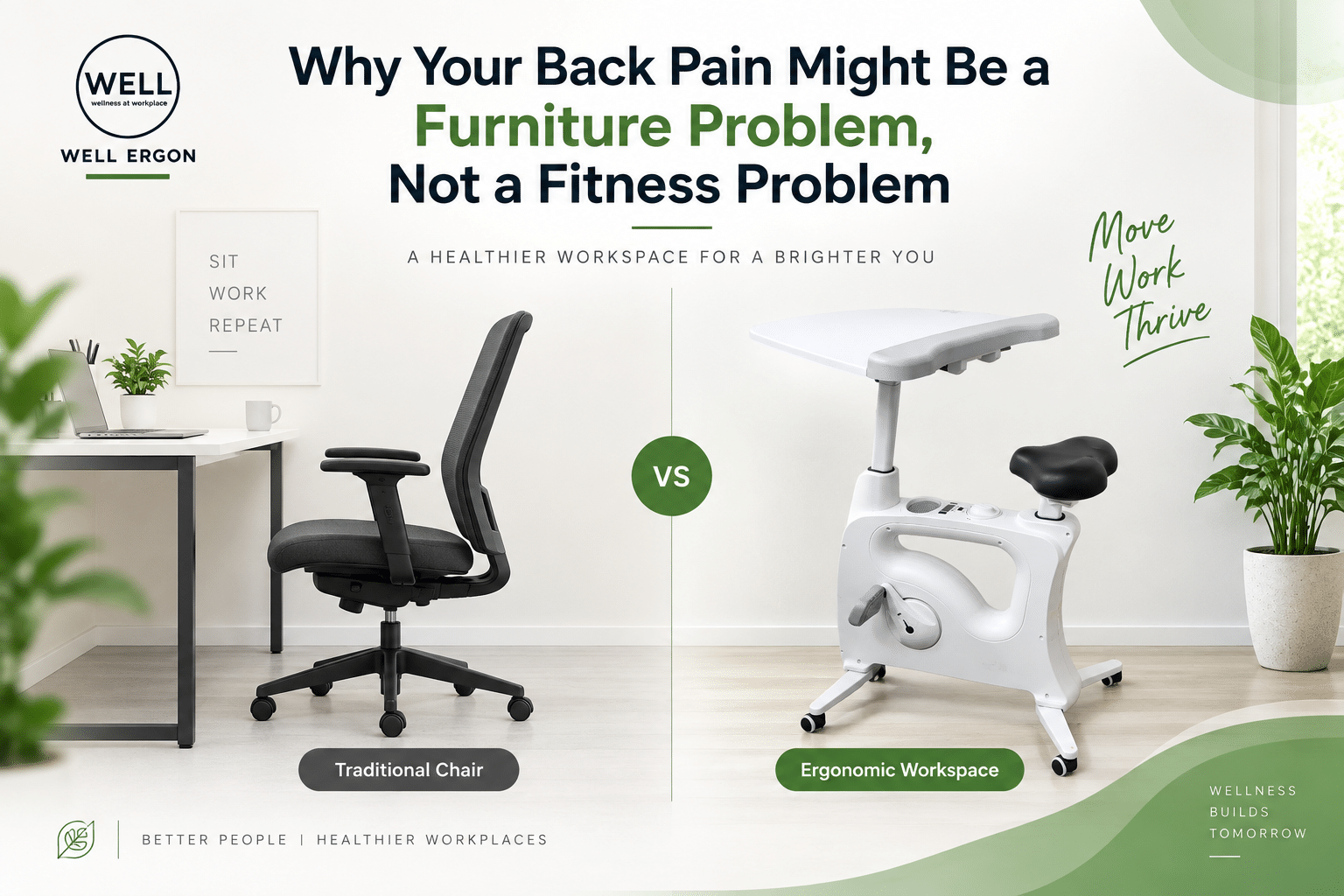
The WellErgon Charge Up Bike EB 10 combines a desk with a cycling setup, and includes kinetic electricity generation, device charging, an adjustable desk, and an LCD display.
This type of setup works well in:
- Individual work areas
- Wellness zones
- Flexible workspaces
- Innovation areas
- Hybrid work environments
The underlying idea: instead of creating a separate space for movement, an active workstation brings movement directly into the work environment itself.
6. Create Shared Movement Areas With Cycle Stations
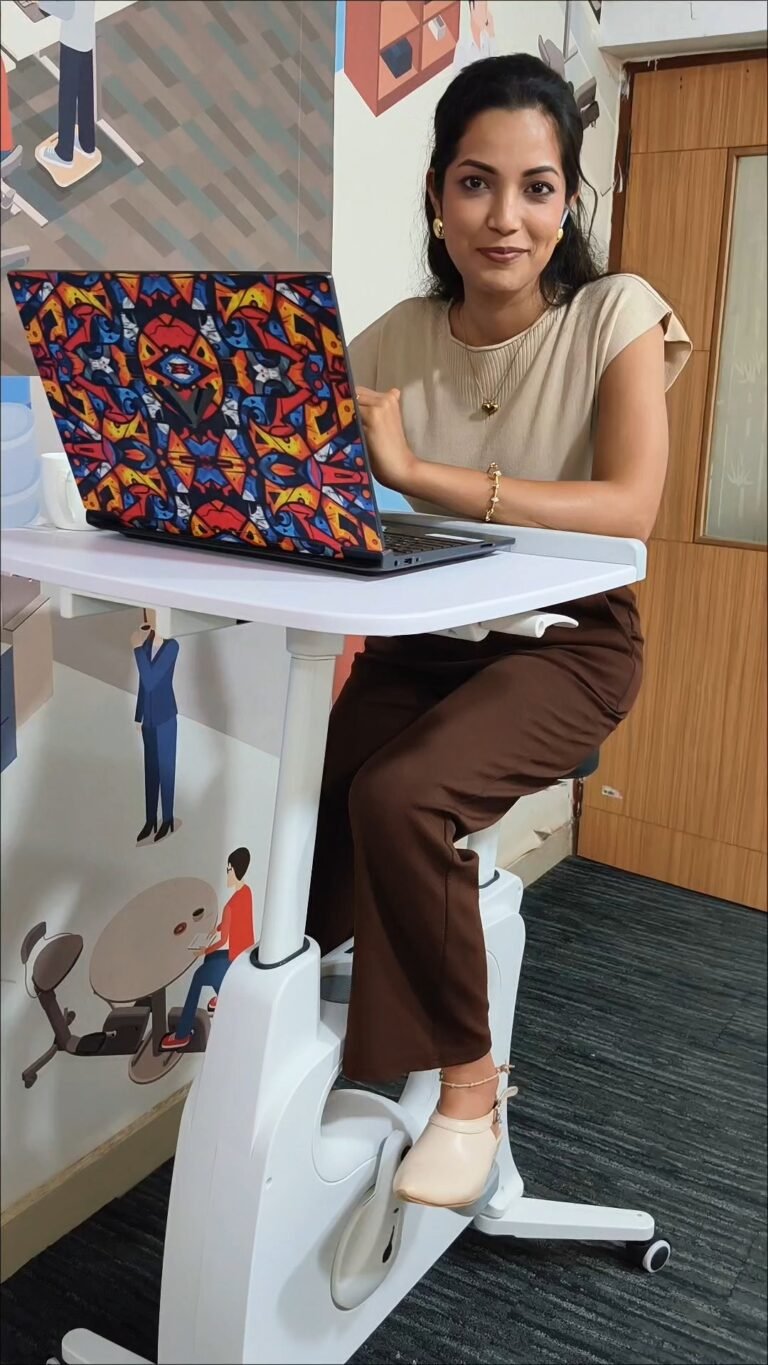
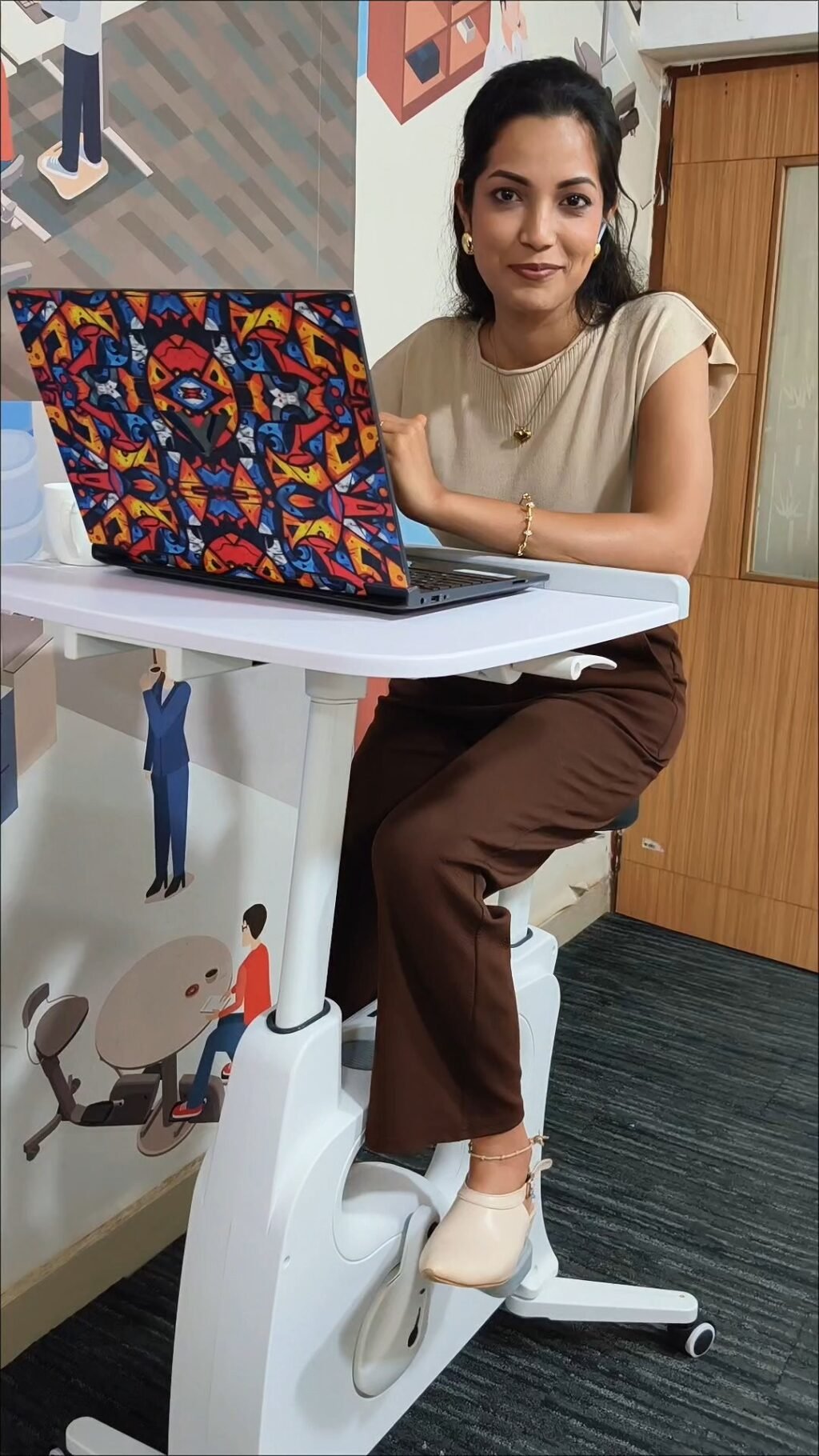
Cycle Station EB 03, A Shared Workplace Movement Zone
WellErgon describes the Cycle Station EB 03 as a pedal powered workstation designed for meetings, brainstorming, and individual work, featuring adjustable seating, silent pedaling technology, and a smooth resistance system.
This makes it well suited to shared movement zones in locations such as:
- Breakout areas
- Wellness zones
- Collaboration spaces
- Meeting areas
- Recreation spaces
A simple example of the transformation:
Unused corner → Cycle Station → Movement + collaboration zone
7. Use Existing Desks to Create Smaller Movement Zones
Under Desk Charge Up Bike
Not every office has room for a dedicated wellness zone and that’s where the Under Desk Charge Up Bike fits in. It offers a compact way to introduce movement into an existing workstation, without requiring new floor space.
The concept is straightforward:
No new room → No major renovation → Existing desk + movement solution
This is especially relevant for:
- Small offices
- Startups
- Hybrid workplaces
- Hot desking environments
- Individual workstations
- Home offices
8. How to Choose the Right Wellness Solution for Your Space
| Office Requirement | Possible Solution |
|---|---|
| Convert an individual workstation | Under Desk Charge Up Bike |
| Create a dedicated active workstation | Charge Up Bike EB-10 |
| Create a shared movement zone | Cycle Station EB-03 |
| Very limited floor space | Under-desk movement solution |
| Larger unused area | Dedicated wellness/movement zone |
If you’re working with a small office and limited square footage, the under desk category is usually the most practical starting point, it requires no layout changes at all.
9. Design Wellness Zones Around Employee Movement Flow
Don’t Place Wellness Equipment Randomly
Where wellness equipment is placed matters as much as what’s installed. Before finalizing a layout, consider:
- Employee traffic flow
- Accessibility
- Noise levels
- Privacy
- Visibility
- Safety clearance
- Proximity to workstations
- Availability of natural light
Make Wellness Visible but Not Disruptive
The goal is to make wellness solutions easy to discover and use without distracting nearby employees. A movement zone placed in a high visibility but low disruption area tends to get used far more consistently than one tucked away out of sight.
10. How to Convert Different Types of Wasted Space
Empty Corner – Movement Zone
Add a compact active workstation solution that fits the available footprint.
Underused Meeting Area – Wellness Zone
Repurpose the space into a shared movement or recovery area.
Large Corridor/Breakout Area – Active Break Zone
Use the space for walking or short movement breaks where layout allows.
Unused Desk – Active Workstation
Replace or supplement a conventional workstation with an active one.
Storage/Dead Space – Recharge Corner
Where appropriate, convert underused storage or circulation space into a quiet recovery area.
11. Design for Different Employee Needs
A wellness friendly office shouldn’t assume every employee wants the same activity. The goal is to offer choice, not pressure:
- Prefer movement? – Cycle or active workstation
- Need a quiet break? – Recovery zone
- Want social interaction? – Breakout space
- Have limited time? – Short movement opportunity
This inclusive approach avoids positioning wellness as simply exercise at work and makes the design relevant to a much wider range of employees.
12. Make Workplace Wellness Part of Office Culture
Furniture alone doesn’t create a wellness friendly workplace. A few additional factors matter just as much:
- Leadership support and visible participation
- Movement friendly meeting practices
- A break culture that doesn’t penalize short pauses
- Employee awareness of what’s available
- Voluntary participation, never mandatory
- Regular feedback
- Ongoing equipment maintenance
The goal is simple to state but takes sustained effort: design the environment and encourage healthy workplace habits alongside it. Movement should become part of how work gets done, not a separate activity employees have to consciously schedule around their job.
13. A Simple Workplace Wellness Design Framework
AUDIT – What space are we underusing? ↓ PLAN – What wellness activity fits that space? ↓ ZONE – Move | Recover | Recharge ↓ INSTALL – Choose the appropriate wellness solution ↓ ENGAGE – Make employees aware of the space ↓ MEASURE – Collect employee feedback and usage insights
This framework works equally well as a planning checklist or a visual reference for facilities and HR teams scoping a project.
14. Workplace Wellness Doesn’t Always Require More Space
This is worth stating plainly: the question isn’t always How much space can we add for wellness? Sometimes the better question is How can we make the space we already have healthier?
Bringing the three product categories together by purpose:
- Charge Up Bike EB 10 – a dedicated active workstation
- Cycle Station EB 03 – a shared movement zone
- Under Desk Charge Up Bike – movement within an existing workstation
Between these three, most offices, regardless of size or layout, have a realistic starting point that doesn’t require construction or a full redesign.
15. Workplace Wellness Design Checklist
Space
- Have we identified underused areas?
- Is there enough clearance around wellness equipment?
Movement
- Can employees change posture throughout the day?
- Are active workstations available?
- Is there a dedicated movement area?
Recovery
- Is there a place to take a meaningful break?
- Can employees step away from their screens?
Accessibility
- Can employees easily access the wellness zones?
- Are solutions suitable for different employee preferences?
Culture
- Is participation voluntary?
- Do managers support movement breaks?
16. How WellErgon Can Help Create a Wellness Friendly Office
WellErgon works as a workplace wellness solution provider, with products built around different space-planning needs rather than a one size fits all approach:
- Charge Up Bike EB-10 – for creating a dedicated active workstation
- Cycle Station EB-03 – for shared movement and collaboration areas
- Under Desk Charge Up Bike – for introducing movement wherever existing desk space is available
Have an underused space in your office? Explore how it could become a movement or wellness zone with WellErgon.
17. Conclusion
A wellness friendly office doesn’t have to mean a complete redesign. It can start with:
- One unused corner.
- One underused workstation.
- One movement zone.
- One intentional change.
The objective isn’t to maximize activity, it’s to create an environment where employees have genuine opportunities to move, pause, recover and work comfortably, using space that’s often already sitting idle.
Frequently Asked Questions
What is a wellness-friendly office?
A wellness friendly office is a workplace designed to make movement, recovery, and comfort part of the everyday work experience, through dedicated zones, active workstations and a culture that supports breaks, rather than relying solely on standard furniture and layout.
How can I create a wellness zone in an office?
Start by identifying an underused space, such as an empty corner or breakout area, then match it to a purpose (movement, recovery, or recharge) and introduce a suitable solution, such as a cycle station or comfortable seating area.
How can unused office space be converted into a movement zone?
An unused corner or underused room can be converted by adding a compact movement solution, such as an active workstation or cycle station, sized to fit the available footprint without requiring structural changes.
What are the best workplace wellness solutions for small offices?
For small offices with limited floor space, under desk movement solutions are typically the most practical starting point, since they introduce movement without needing a dedicated room or layout change.
What is an active workstation?
An active workstation is a desk setup that incorporates light physical activity, such as pedaling, directly into the workspace, allowing employees to move while working rather than during a separate break.
Are desk exercise bikes suitable for offices?
Yes. Compact desk exercise bikes are designed specifically for office environments, offering light movement during work hours without requiring gym level space or equipment.
How can companies encourage movement during the workday?
Companies can introduce active workstations, shared cycle stations, and movement breaks, while also building a culture that actively supports, rather than discourages, short pauses and posture changes.
How much space is needed for a workplace wellness zone?
This varies by solution: an under desk option needs no additional space at all, while a small movement corner can work in as little as 5 -10 sq. ft. and a shared cycle station typically needs a modestly larger breakout style area.
What should be included in an office wellness area?
A well rounded wellness area typically includes options across three categories: movement (active workstations or cycling equipment), recovery (comfortable, quiet seating) and recharge (social or screen free space).
How can office design support employee wellbeing?
Office design supports wellbeing by intentionally allocating space for movement, recovery and social reset and by making these spaces visible, accessible and genuinely optional for employees to use as needed.